Home » Stories » Photo Galleries

Photo Galleries

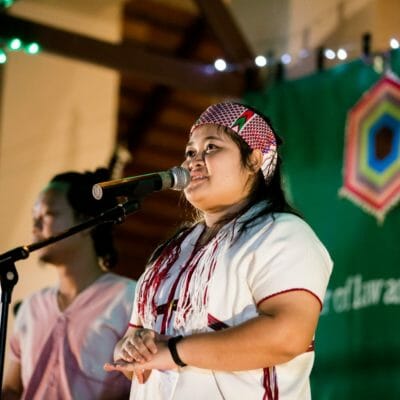
“No one among us was left behind. We are here at EarthRights School as living in our second family,” said Lamnutor Dangdaenwiman in her graduation speech. Lamnutor is an indigenous Thai-Karen youth who is working to support and enhance youth capacity to protect their communities from hydropower plants on the Salween River.

January 8, 2019

2018 EarthRights School Graduation
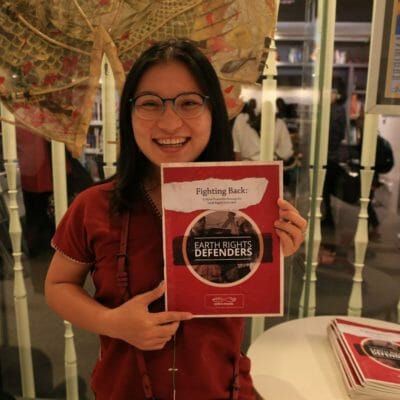
Mueda Nawanat, Bertha Justice Fellow in ERI's Chiang Mai office, showcases the new report.

December 18, 2018

Fighting Back: A Global Protection Strategy for Earth Rights Defenders
IMG_1216.CR2 (1)

December 17, 2018

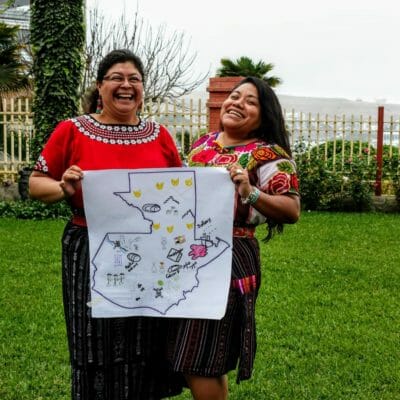
2018: Our Year in Photos
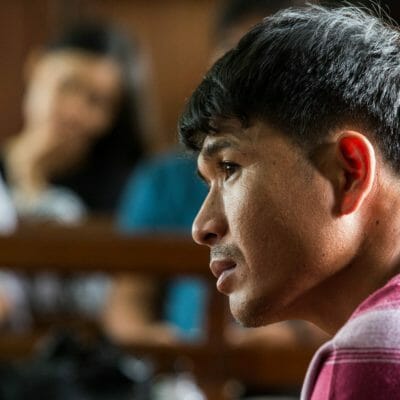
Our community's lifestyle was very simple and easy...The forest has been our seasonal supermarket for generations. Today, a lot of situations are changing, our life can’t be as simple as before,” one community leader said.

December 4, 2018

ERS Students Visit Map Ta Phut & Mae Sod
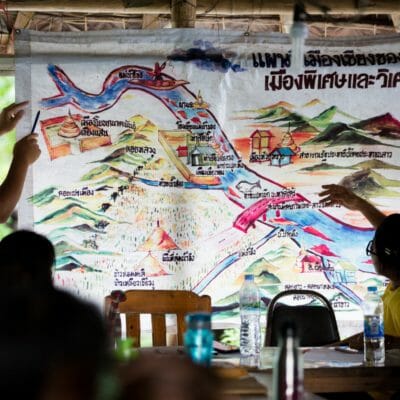
This map titled “Chiang Khong - Special and Amazing City” - was made by members of Rak Chiang Khong. Jeerasak Inthayod, a Rak Chiang Khong team member, explains their work and tactics, including campaigning and legal strategies, to stop both the Pak Beng dam on the Mekong River and projects to blast apart rapids on the Mekong to make room for Chinese riverboat transportation. The Pake Beng dam would displace 6,700 people and is one of 11 dams planned for the lower Mekong – a cascade of development that threatens the food security of 48 million people.

September 28, 2018

Mekong Legal Advocacy Institute 2018: The Pak Beng Dam
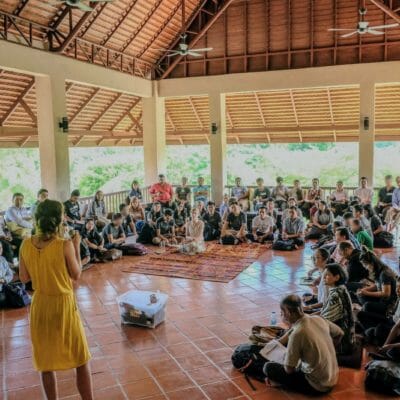
In late August, the Forest Defenders Conference brought together 50 human and environmental rights activists from 10 countries, most in Southeast Asia, to develop strategies for protecting earth rights defenders. The conference was organized by EarthRights International, Not1More, and Cambodian Youth Network. Here, Fran Lambrick of Not1More welcomes the group to the first workshop of the conference.

September 25, 2018

Forest Defenders Conference 2018
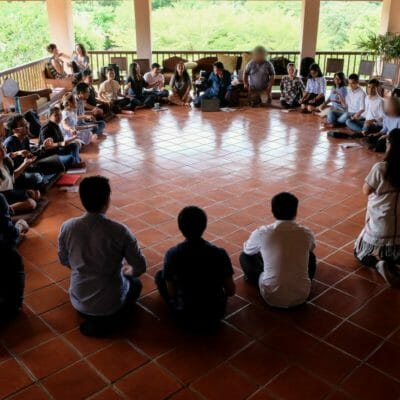
In the last session of the workshops, MLAI participants meet with members of the Mekong Legal Network (MLN) to learn about their experiences and build relationships. MLN is a network of senior public interest lawyers who work together to promote access to justice in the Mekong region around human and environmental rights.

September 13, 2018

Mekong Legal Advocacy Institute 2018
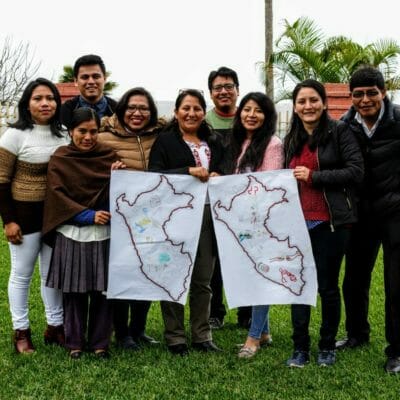
Participantes de la selva, los andes y la costa de Perú Becky Chamorro (comunidad Boca de Cheni), Nelida Sinchi (centro poblado de Porcón Bajo), Bryan Tuanama (comunidad Kawana Siza), Susy Díaz (comunidad Pueblo Nuevo del Caco), Gladys Vila, Victor Maita (comunidad Siwina Accha), Paola Zela (ONG Derechos Humanos Sin Fronteras), Jharith Mogollón (comunidad Huayllabamba), y Nelson Yugra (pueblo indígena Aymara). Ellos y ellas manifestaron que entre las problemáticas que se presentan en sus territorios están relacionadas a la criminalización de líderes y lideresas indígenas, extractivismo, convenios entre las fuerzas públicas con empresas extractivas, corrupción, contaminación ambiental, salud, entre otros. // Participants from the Amazon, the Andes, and the coast of Peru: Becky Chamorro (Boca de Cheni community), Nelida Sinchi (town of Porcón Bajo), Bryan Tuanama (community Kawana Siza), Susy Díaz (Pueblo Nuevo del Caco community), Gladys Vila, Victor Maita (Siwina Accha community), Paola Zela (Human Rights Without Borders NGO), Jharith Mogollón (Huayllabamba community), and Nelson Yugra (Aymara indigenous peoples). They said that among the problems that arise in their territories many are related to the criminalization of indigenous leaders, extractivism, contracts between national police forces with extractive companies, corruption, environmental pollution, and health problems.

August 28, 2018

Latin American Seminar on Indigenous Legal Defense 2018
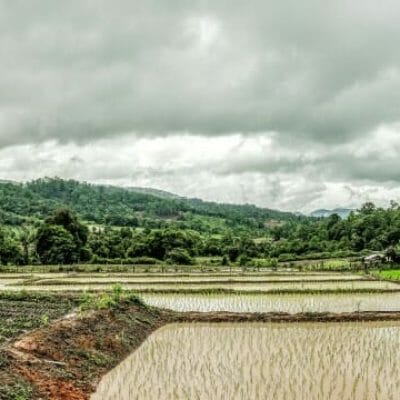
Rice paddies in Ban Nong Tao, Thailand.

August 1, 2018

EarthRights School Visits Indigenous Climate Justice and Land Rights Activist Community
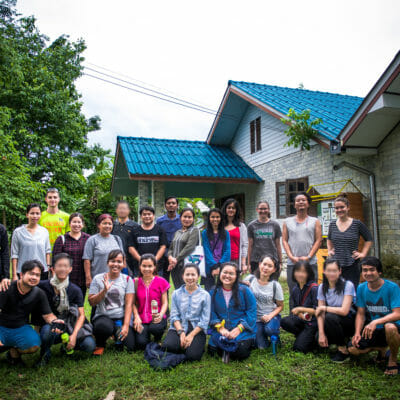
This year's EarthRights School students recently visited the largest coal-fired power plant in Thailand - the 2,400 MW Mae Moh power plant. The students learned from Maliwan Nakwirot, a community leader who has fought to protect her community from the impacts of the power plant and the nearby lignite mine. As pollution has led to over 300 deaths and caused respiratory problems for thousands, she has led her community to demand remedies and justice.

July 4, 2018

EarthRights School Studies Coal and Community Activism 2018
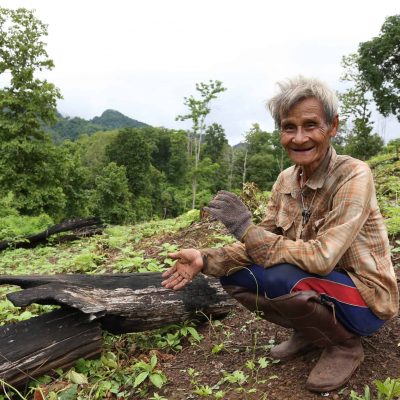
A farmer near the site of the proposed Hatgyi dam on the Salween River talks about traditional and sustainable farming practices. This land would be flooded if the dam is built.

June 13, 2018

Thai Investment in the Mekong: A Photo Exhibition
DSC_0888

March 19, 2018

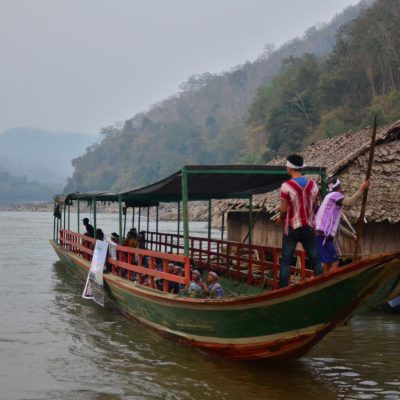
“The Salween is everything to us.”
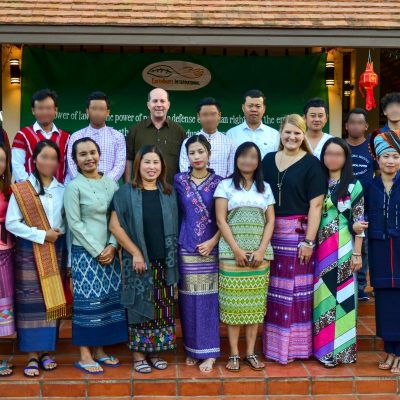
EarthRights School 2017 graduates with ERI staff during their graduation ceremony at the Mitharsuu Center for Leadership and Justice.

January 23, 2018

EarthRights School Graduation 2017
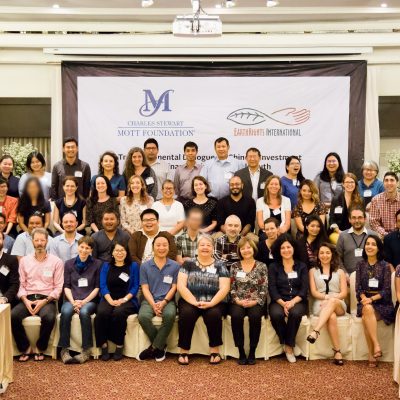
Participants and organizers of the 2017 Transcontinental Dialogue on Chinese Investment in the Global South
November 27, 2017

2017 Transcontinental Dialogue on Chinese Investment in the Global South

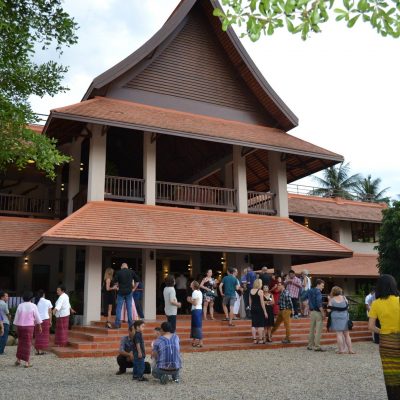
Guests arrive at the opening ceremony for the Mitharsuu Center for Leadership and Justice.

July 12, 2017

The Ribbon Cutting Ceremony for the Mitharsuu Center for Leadership and Justice
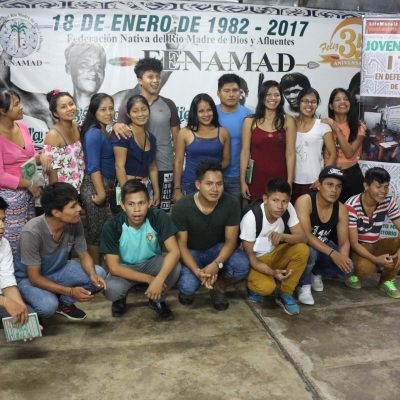
Twenty indigenous youth participated in the workshop.

May 23, 2017

Indigenous Youth in Madre de Dios Participate in Training in Defense of Territory
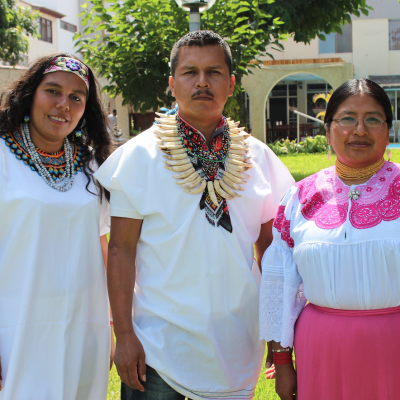
Carolina Isabel Sequeda Arias, an indigenous lawyer from the Kankuamo nation in Colombia, part of the team of lawyers of the Community of Akubadaura Jurists and the women's group of the Indigenous Kankuama Organization.  Mario Alberto Erazo Yaiguaje, indigenous leader and governor of Siona Buenavista Reservation from Ecuador.  Nancy Rocio Quilo Catucuamba, law student, works in the area of law of the Autonomous Decentralized Intercultural and Plurinational Government of the Municipality of Cayambe Ecuador      Carolina Isabel Sequeda Arias, abogada indígena del pueblo Kankuamo de Colombia, es parte del equipo de abogadas de la Comunidad de Juristas Akubadaura y del grupo de mujeres de la Organización Indígena Kankuama. Mario Alberto Erazo Yaiguaje, lider Indígena y gobernador resguardo indígena Siona Buenavista en Ecuador.  Nancy Rocio Quilo Catucuamba, estudiante de derecho, trabaja en el área jurídica del Gobierno Autónomo Descentralizado Intercultural y Plurinacional del Municipio de Cayambe Ecuador

May 9, 2017

Latin American Indigenous Legal Seminar 2017
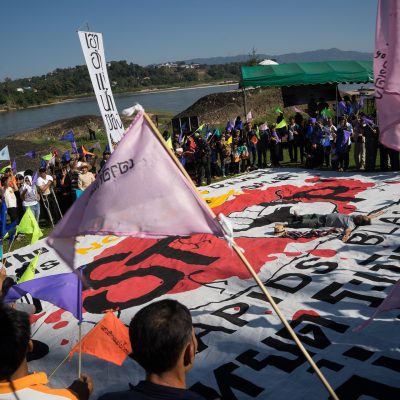
Participants in a protest performance surround a banner that says “The Mekong River is not for Sale: Stop the Mekong Rapid Blasting Project.” Mister Tong Phun, Thai poet and writer, lies in the middle. The social movements of local and environmental activists who are protecting the Mekong River is often linked to arts and literature.

February 13, 2017

Solidarity Campaign to Stop Mekong Rapid Blasting Project
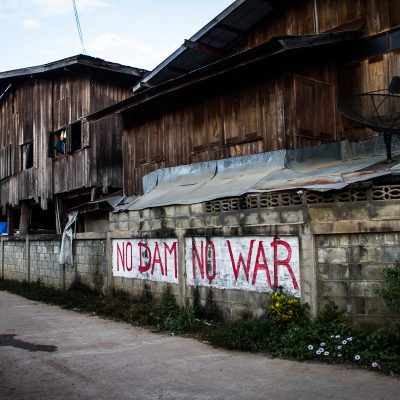
Graffiti in Sa-iab Village. Every house has signs that say things like “We will fight and die here.” Kaeng Sua Ten is well known for protesting by making effigies of politicians who support the construction of the dam. It is believed that through a spirit medium they can curse the politicians until they fall ill and die.

January 10, 2017

Kaeng Sua Ten’s 30-year fight against a dam
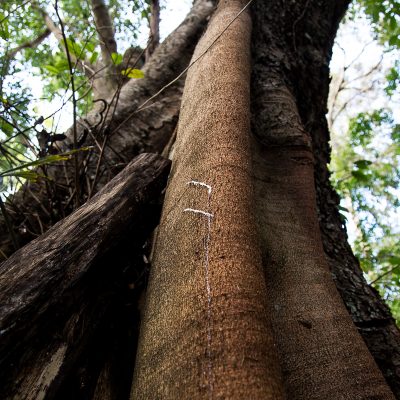
Spiritual tree in Nong Tao Village. In this indigenous community, babies that have died are buried under this tree to return their spirits back to Nature. The white resin flowing from the tree represents the nourishment of mother’s milk.

December 7, 2016

Karen villages and their struggles in North Thailand
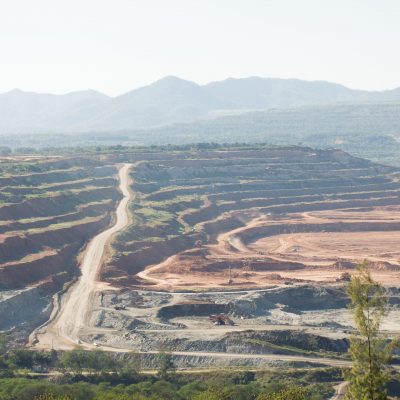
The Mae Moh coal mine and power plant are some of the most damaging large-scale development projects in Thailand. The coal mine and power plant are located in Lampang Province and have caused severe health problems for local villagers in northern Thailand.  This month EarthRights School Mekong students visited Mae Moh to learn about the community’s campaign to access compensation for health impacts resulting from the project.

August 29, 2016

EarthRights School Mekong students visit Lampang Province
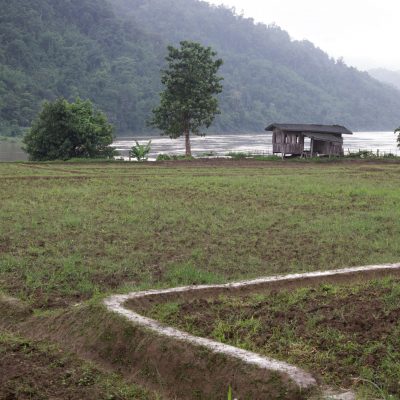
Ban Sob Moei, Mae Hong Son Province, Thailand. This village will be flooded if the Hat Gyi Hydropower Dam is built. The dam is slated to be built on the Salween River in Myanmar, 47 kilometers from Thailand- Myanmar border.

August 4, 2016

Field Trip Down The Salween River: This Village Will Be Flooded If The Dam Is Built
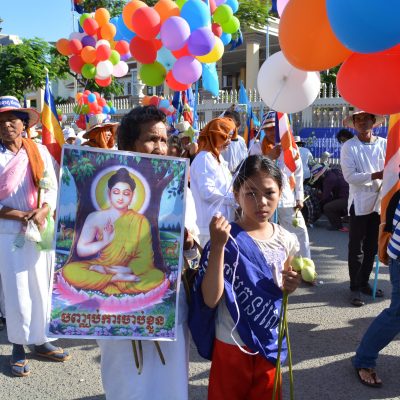
Mum Reaksmey is 13 years old and comes from Borei Keila community. Her family and community were forcibly evicted from their home in 2012 by the Phanimex Copmany (http://www.adhoc-cambodia.org/force-evicted-the-people-in-borey-key-la-in-phnom-penh/). She joined the march on International Human Rights Day because she wants peace and move back to her home.

December 19, 2014

International Human Rights Day in Cambodia
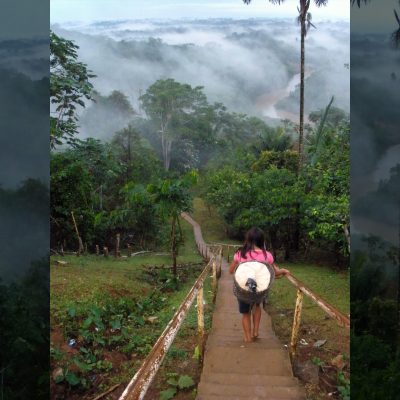
The Amazon & the Andes: A Region Under Constant Threat.  The Amazon basin, home to the world’s largest rainforest, is widely recognized as the most biodiverse ecosystem on the planet. Less frequently mentioned is the area’s human diversity: the Amazon region, and the Andes highlands from which much of the river flows, is home to hundreds of indigenous ethnic groups, some still living in voluntary isolation from the outside world.  When government and big business implement major development projects in South America, it isn’t just the ecosystem that is threatened; the lives and livelihoods of these indigenous communities also hang in the balance.  Our work in the Amazon equips these communities with the legal tools and skills that they need to protect their livelihoods and ensure that their voices are heard in the halls of power.

November 4, 2013

Our Work in Pictures: Protecting the Amazon & Its Peoples
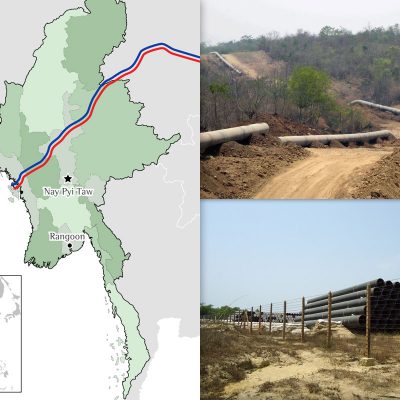
The Shwe natural gas and Myanmar-China oil transport projects. The pipelines will traverse sensitive marine ecosystems, dense mountain ranges, arid plains, rivers, jungles, villages and towns populated by ethnic Burmans and several ethnic nationalities along the pipeline’s path, over 700km, from Rakhine (Arakan) State through Magway and Mandalay Divisions, and northeast through northern Shan State to Yunnan, China. Resources transported through these pipelines will benefit consumers and industry in Yunnan and other western provinces in China and will supply the Myanmar government with multi-billion dollar revenues; little gas and no oil will be directed for domestic consumption in Myanmar.

April 10, 2013

Photo essay: Selected impacts of the Shwe natural gas & Myanmar-China oil transport projects