Last month, EarthRights School students from all over the Mekong region went on a field trip to learn about Special Economic Zones (SEZ). They visited various areas impacted by often rapid and irresponsible development in Thailand, including Map Ta Phut, the site of Thailand’s largest industrial park. According to the World Resources Institute, Map Ta Phut is “…one of Thailand’s most toxic hot spots with a history of air and water pollution, industrial accidents, illegal hazardous waste dumping, and pollution-related health impacts, including cancer and birth deformities. ”
ERS students met with many local defenders and campaign leaders challenging the harmful development projects in their communities.
Map Ta Phut Industrial Estate is a large industrial park in Thailand and one of the most toxic hot spots in the region, with a history of air and water pollution. While ERS students met with Map Ta Phut’s community leaders, it started raining. “Acid rain,” the community leader said.
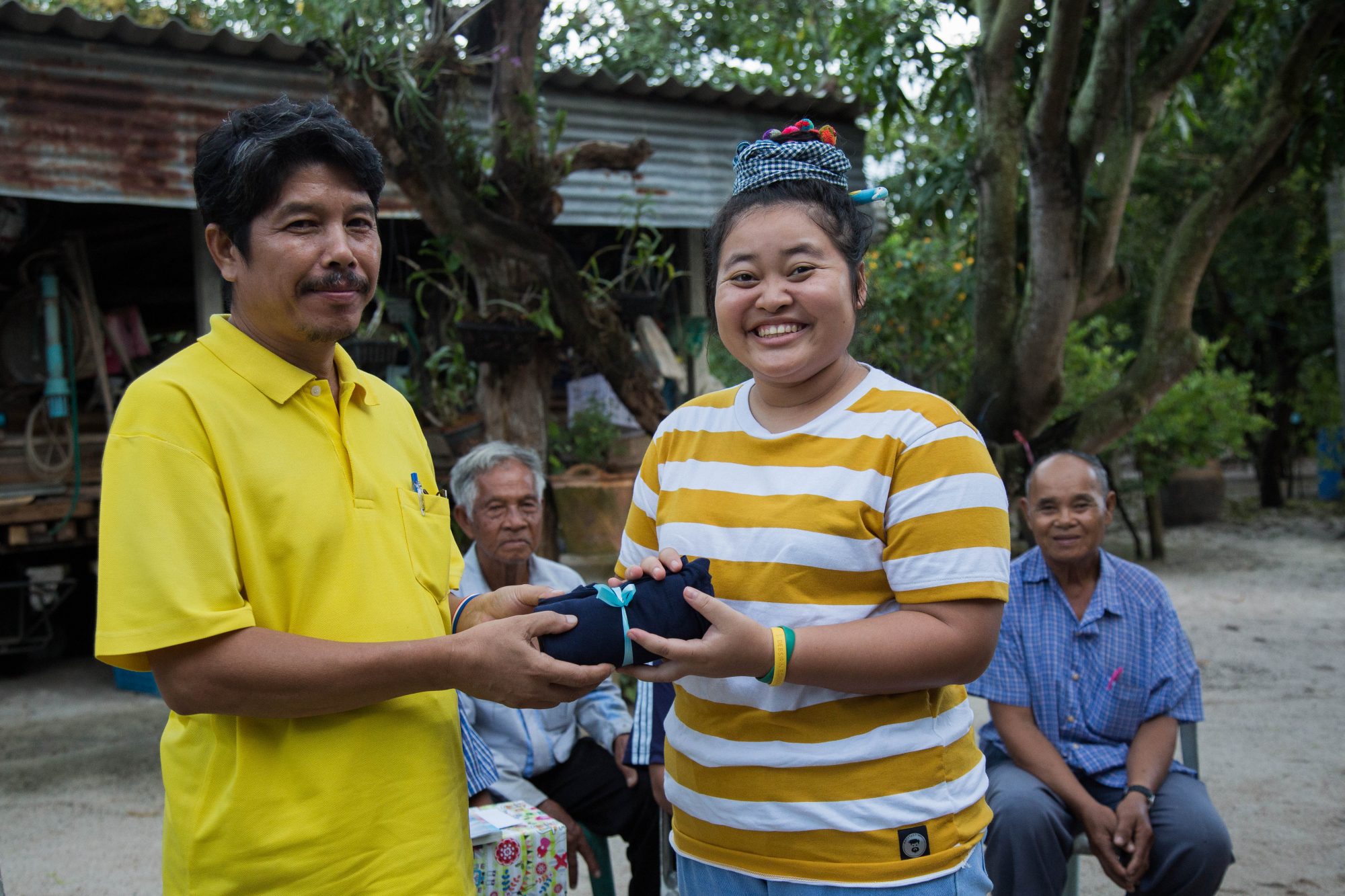
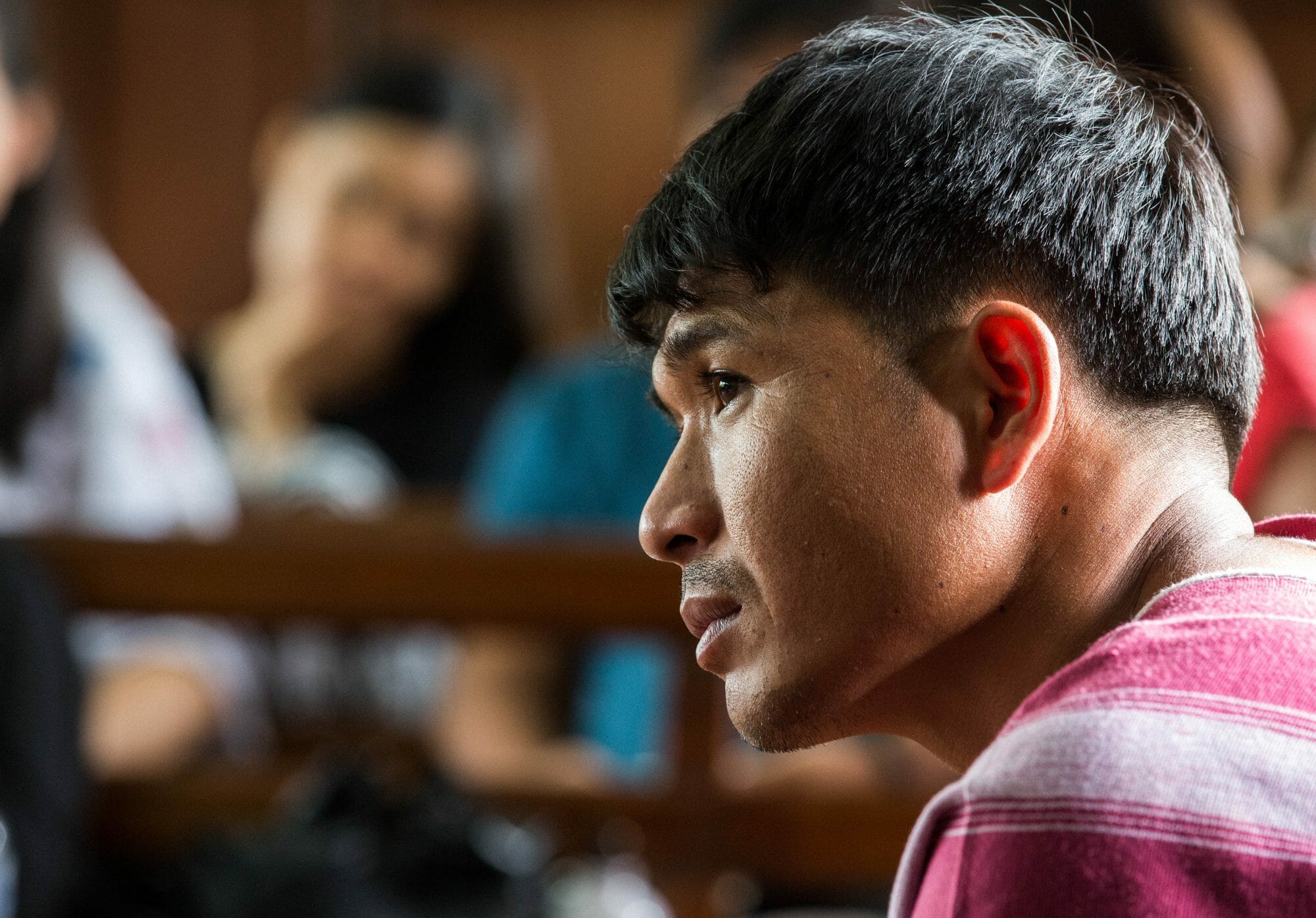
Lamnuthor Dungdanwiman, a Thai ERS student, thanked the elders for their wisdom and passion. We sadly learned that they are the last generation who are passionately monitoring the impact of the Map Ta Phut industrial Zone, and that younger generations are not as interested in protecting their communities from the industrial zone’s harms.
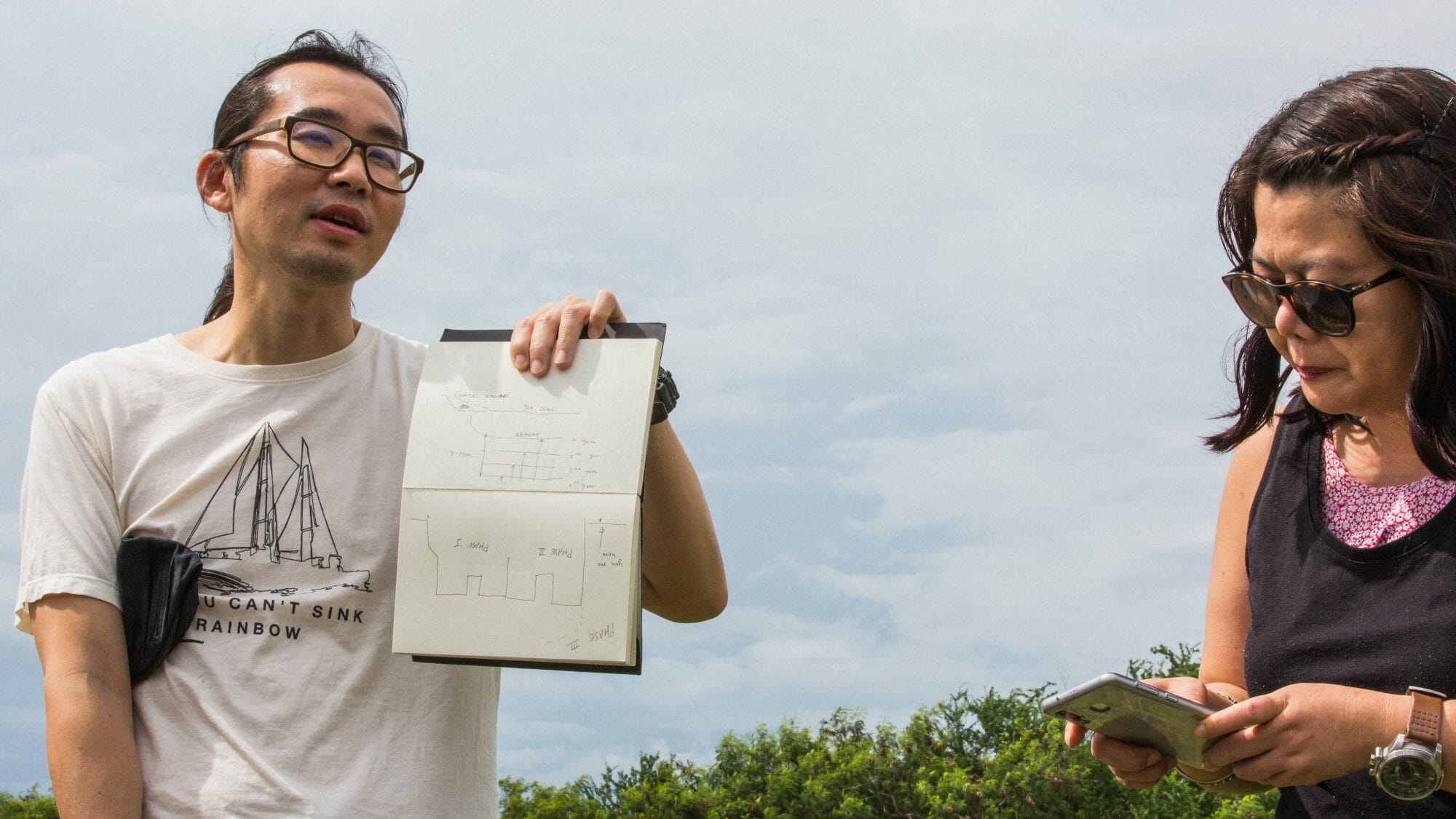
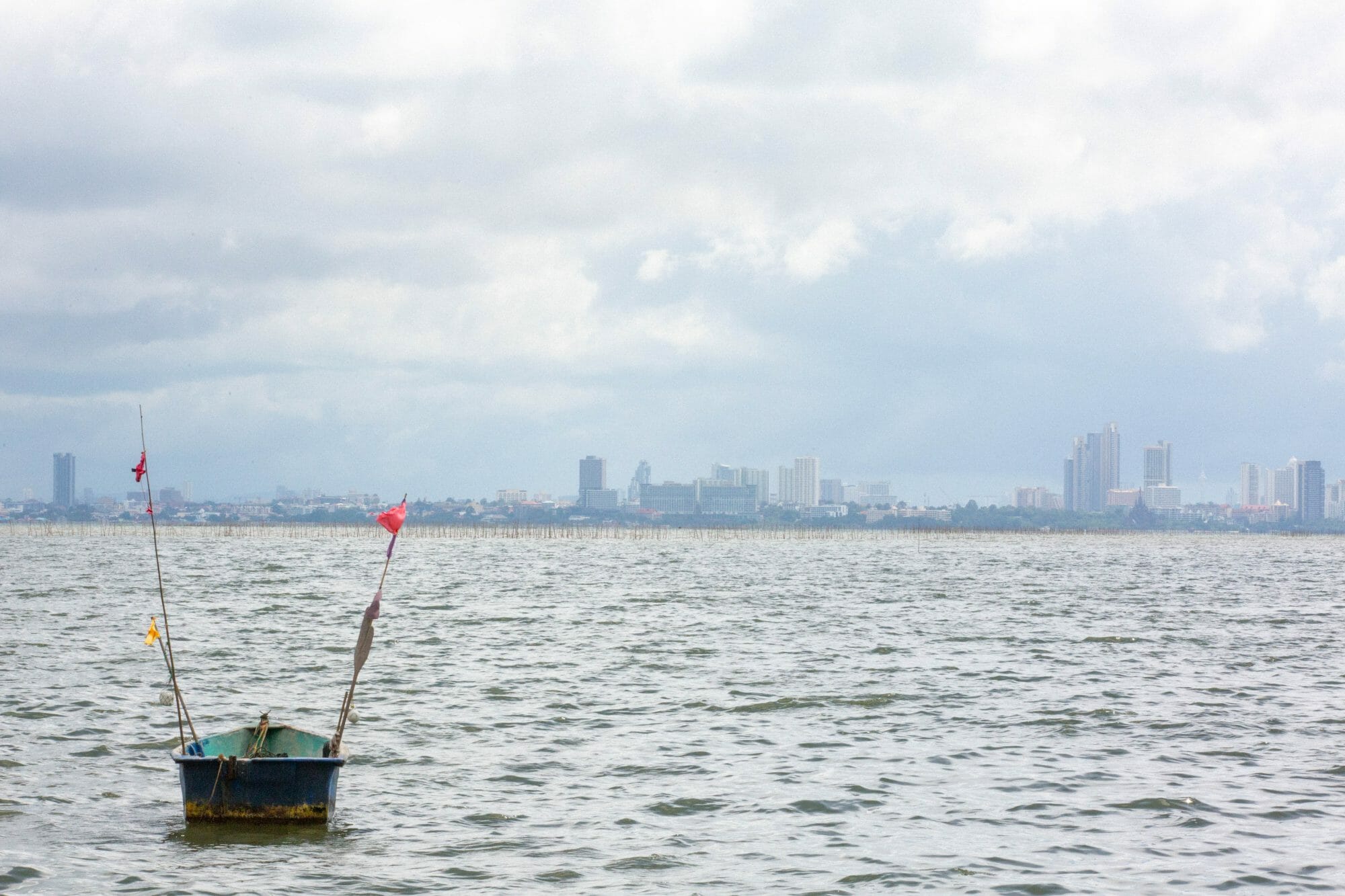
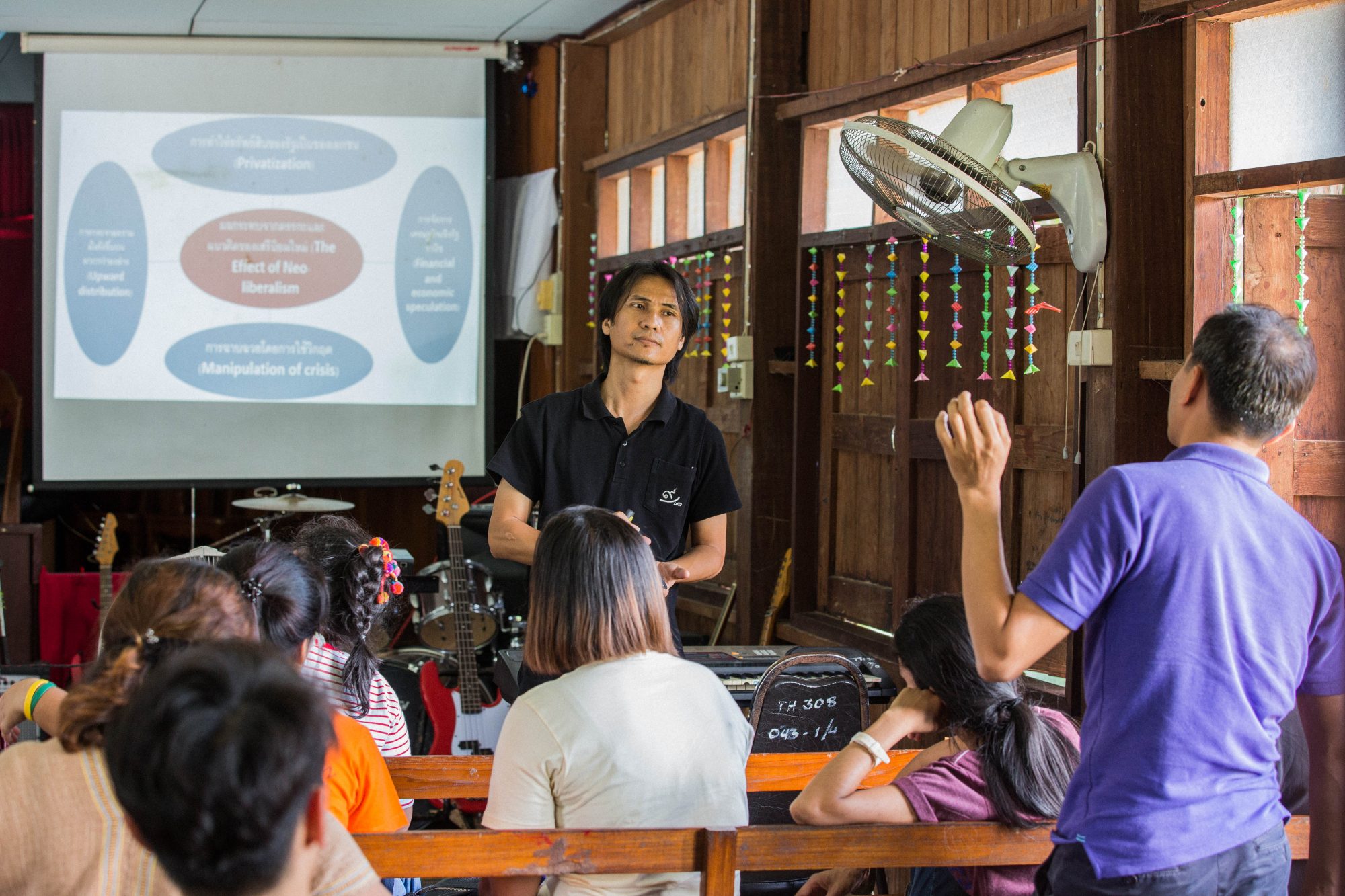
Somnuek Jongmeewasin, an environmental researcher, presented on the impact of the Ao Udom Port, the SEZ, Eastern Economic Corridor (EEC) (the eastern seaboard of Thailand which is a key developing economic region) and the history of Laem Chabang Deep Sea Port.
“We don’t need another conflict to fight the conflicts. We should use smart strategies to get win-win situations between corporations and communities,” Somnuek Jongmeewasin said.
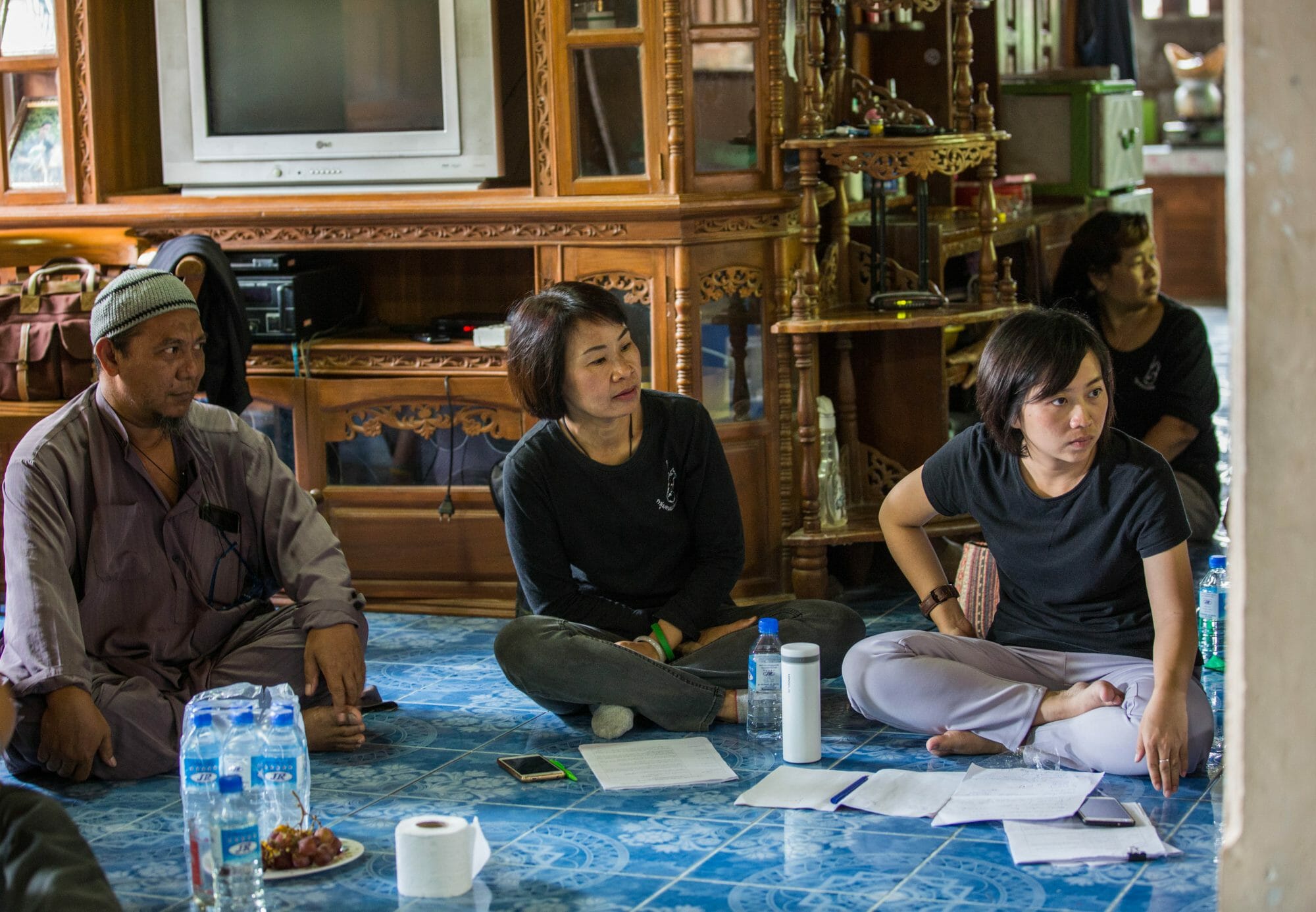
In Mae Sot, a local community leader shared the SEZ’s impact on her community.
"Our community's lifestyle was very simple and easy…The forest has been our seasonal supermarket for generations. Today, a lot of situations are changing, our life can’t be as simple as before,” one community leader said.
ERS students discussed with Suwichan Phatthanaphraiwan, an indigenous Karen Pakayaw lecturer at Bodhivijjalaya College Srinakharinwirot University in Bangkok, about the SEZ projects' impacts on different communities in Southeast Asia.
Our community's lifestyle was very simple and easy…The forest has been our seasonal supermarket for generations. Today, a lot of situations are changing, our life can’t be as simple as before,” one community leader said.
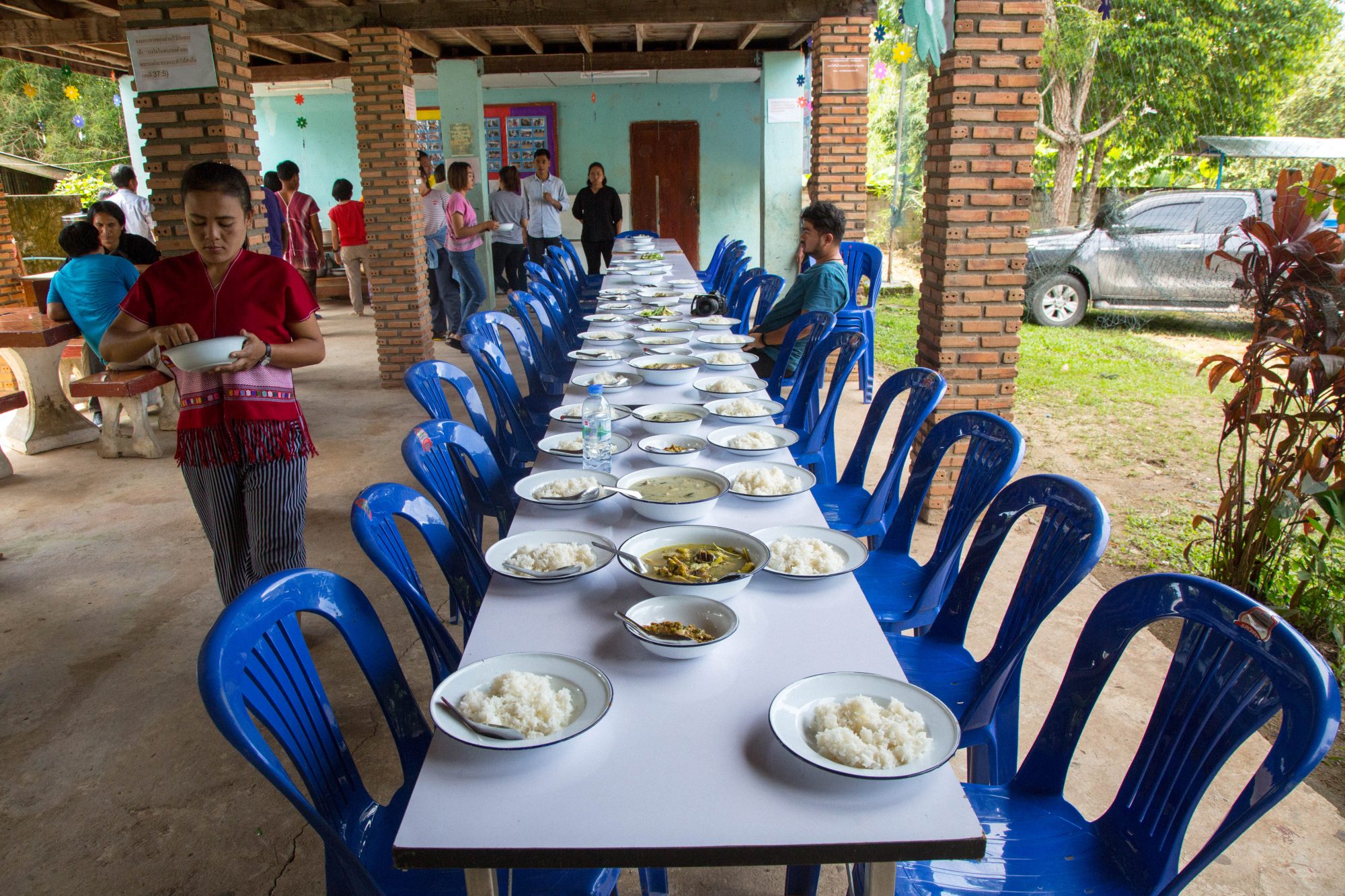
In Ban Huai Nam Hak, communities are promoting their culture and wisdom to develop ecotourism. Now, the community is facing forest and land rights violations because of a government sponsored national park project.
Utilizamos cookies esenciales para el funcionamiento de nuestra web. Adicionalmente, usamos cookies no esenciales (de marketing y analíticas) para mejorar tu experiencia de navegación, análisis estadístico y personalización de contenidos, de conformidad con lo establecido en nuestra Política de Privacidad. Puedes elegir cómo interactuar con ellas.
We use cookies that are essential for the operation of our website. In addition, we use non-essential cookies (for marketing and analytics) to improve your browsing experience, perform statistical analysis, and personalize content, in accordance with our Privacy Policy. You can choose how to manage them.
Necessary cookies help make a website usable by enabling basic functions like page navigation and access to secure areas of the website. The website cannot function properly without these cookies.
Marketing cookies are used to track visitors across websites. The intention is to display ads that are relevant and engaging for the individual user and thereby more valuable for publishers and third party advertisers.
Preference cookies enable a website to remember information that changes the way the website behaves or looks, like your preferred language or the region that you are in.