Environmental Defenders
EarthRights provides security and safety training for defenders, successful legal defense for defenders who have been wrongly charged with crimes, and helps create and strengthen trusted regional and international networks that defenders can turn to in moments of crisis. We also led efforts to shape U.S. policy and global norms that influence how governments and businesses treat defenders, resulting in stronger international standards.
Protecting and Uplifting Environmental Defenders
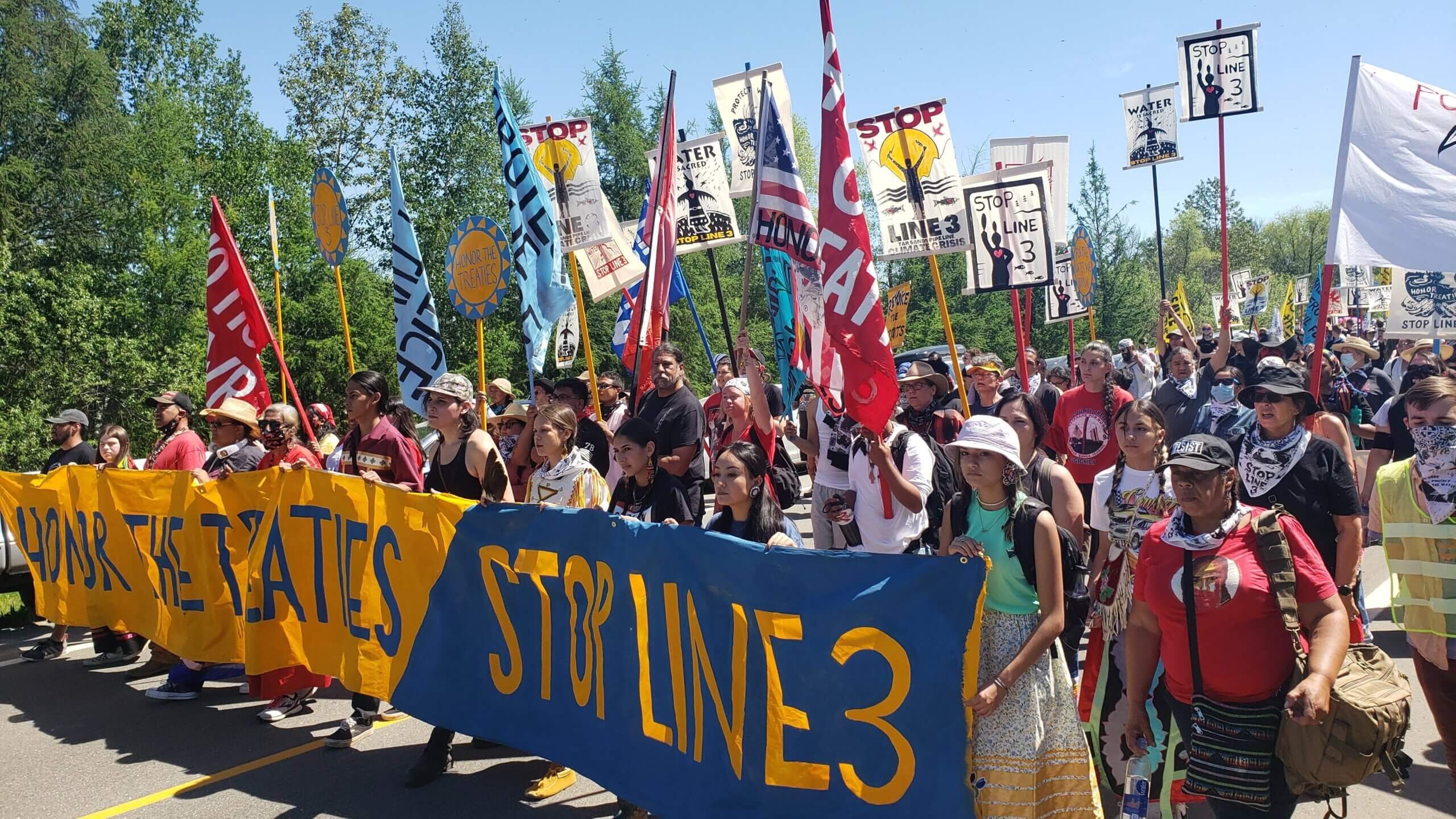
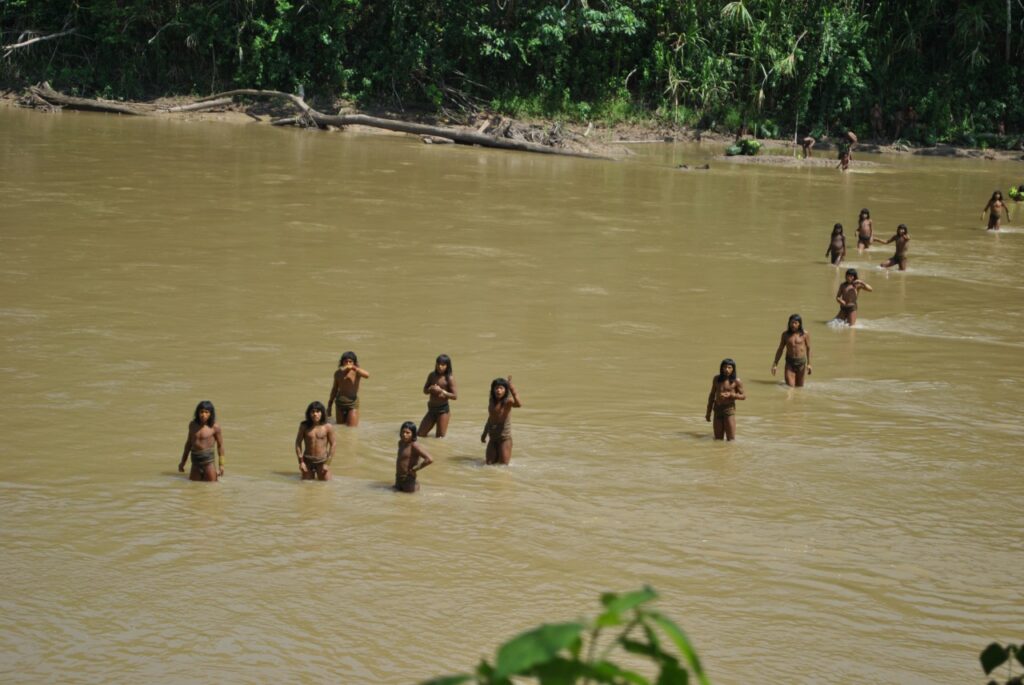
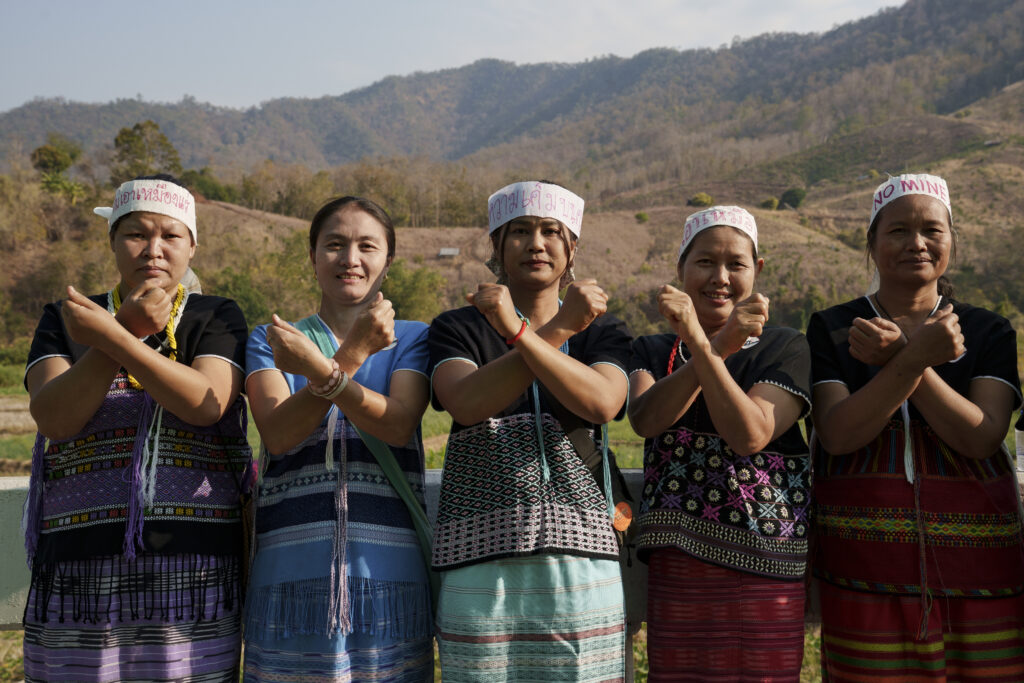
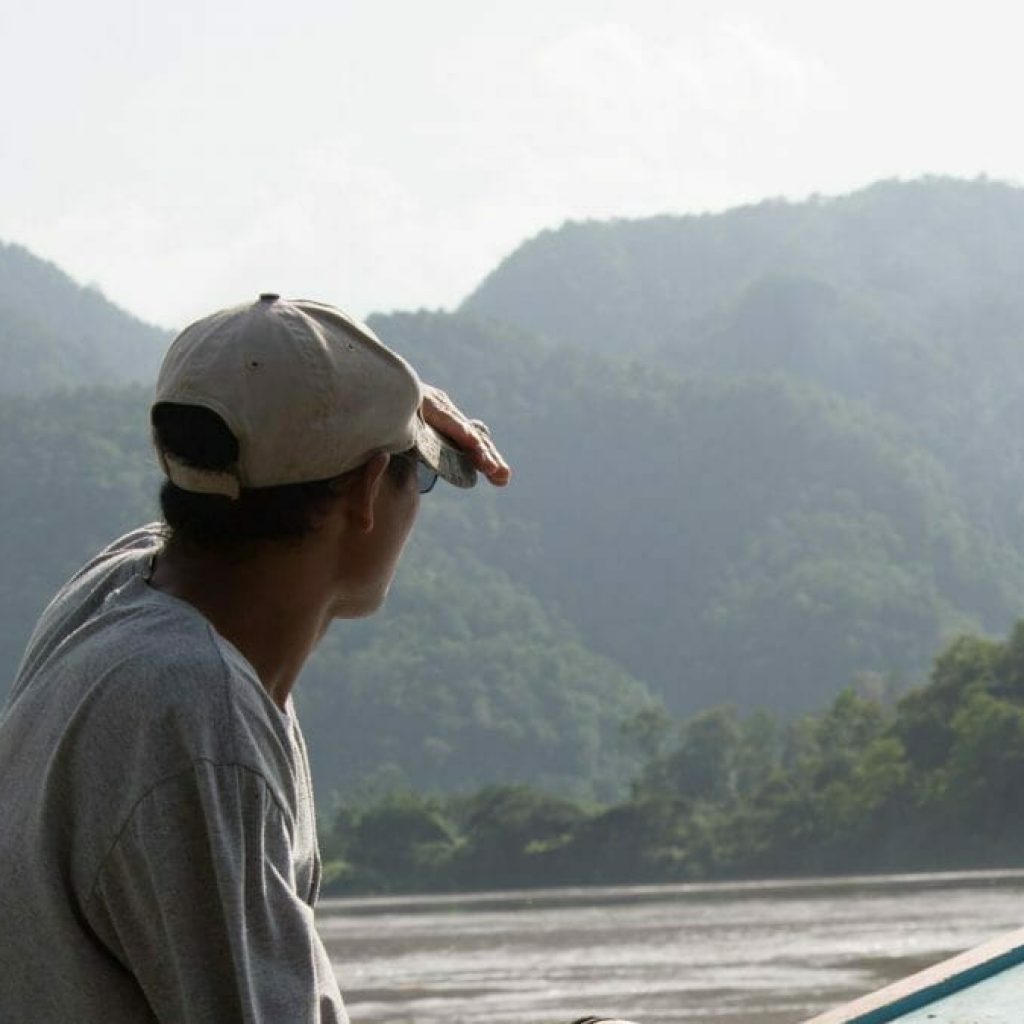
As the climate crisis becomes increasingly urgent, some of the most important efforts to save the planet for future generations are happening at the local level. Environmental and human rights defenders are local leaders on the frontlines of the climate crisis, risking their lives, protecting their communities from deforestation, pollution, biodiversity loss, and environmental crimes associated with the reckless exploitation of natural resources.
Environmental and human rights defenders often find themselves challenging corrupt or politically powerful interests who are willing to use violence and coercive tactics to silence their critics. Many are members of Indigenous or traditionally marginalized communities that rely heavily on the surrounding ecosystems for their livelihoods.
Swipe to see more
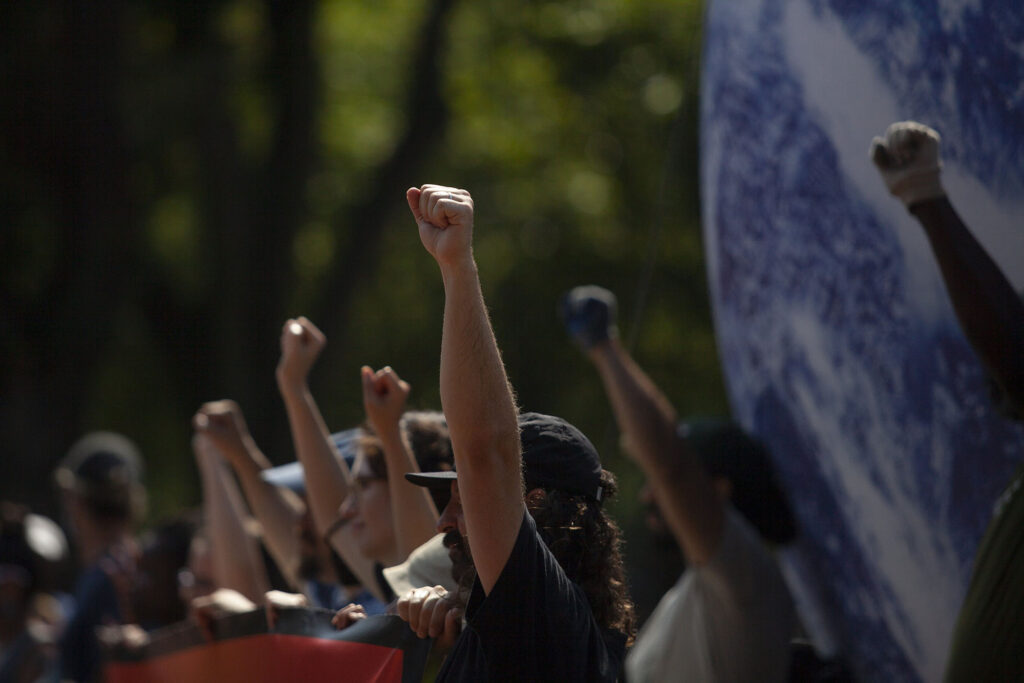
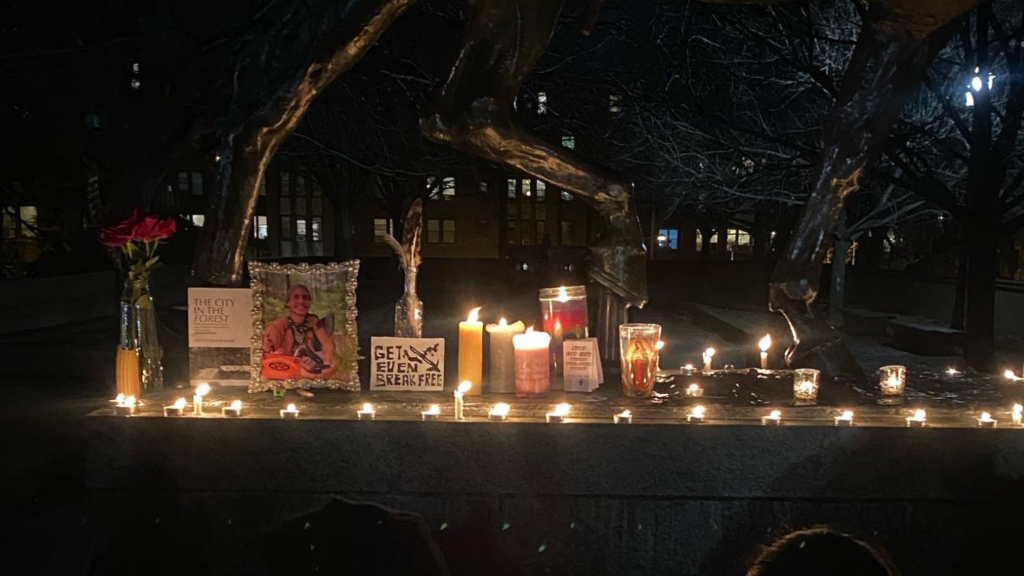
Each year, hundreds of defenders are assassinated, and thousands more are criminalized, threatened, and harassed. These attacks can be physical (such as assassinations or death threats), legal (such as criminalization or judicial harassment), or reputational (such as smear campaigns).
In recent years, global awareness of violence against environmental and human rights defenders has grown thanks to the efforts of civil society organizations. Reports documenting attacks on defenders have garnered widespread attention, leading to increased recognition of the issue. In some regions, modest progress has been made in enacting legal protections for defenders. For instance, a few jurisdictions have implemented laws against Strategic Lawsuits Against Public Participation (SLAPPs) to curb legal harassment of activists. Public pressure and international advocacy have also created spaces where messages of defenders are amplified on the global stage.
A Crisis of Impunity
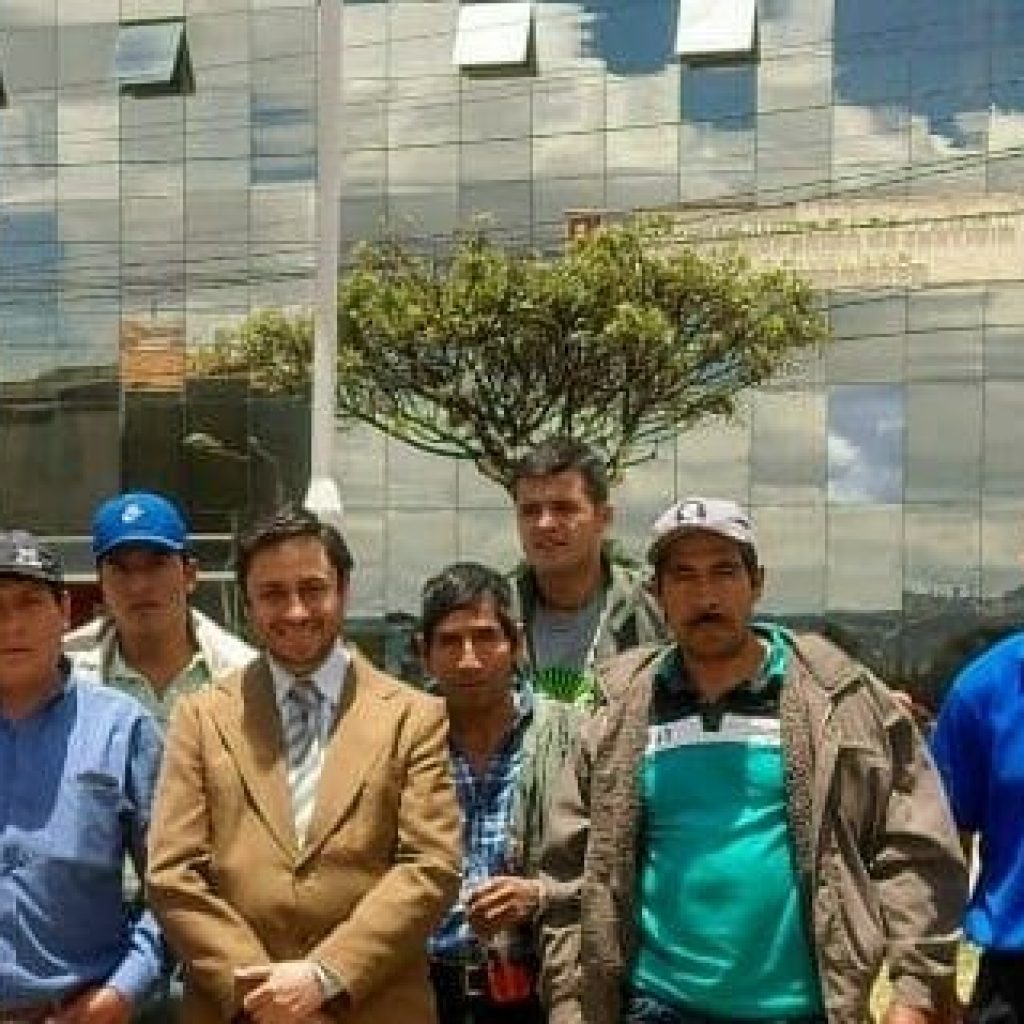
Many attacks against defenders occur in countries or subregions – in both the Global North and Global South – where the rule of law is weak, where political and economic elites can act above the law, and where opportunities exist to sidestep the law. These actors behind these attacks choose not to involve local communities in decision-making about natural resource exploitation, because it is faster, cheaper, and easier to take what they want by force. Governments rarely investigate attacks on environmental defenders, let alone prosecute them.



Swipe to see more
Climate Resilience and Environmental Justice
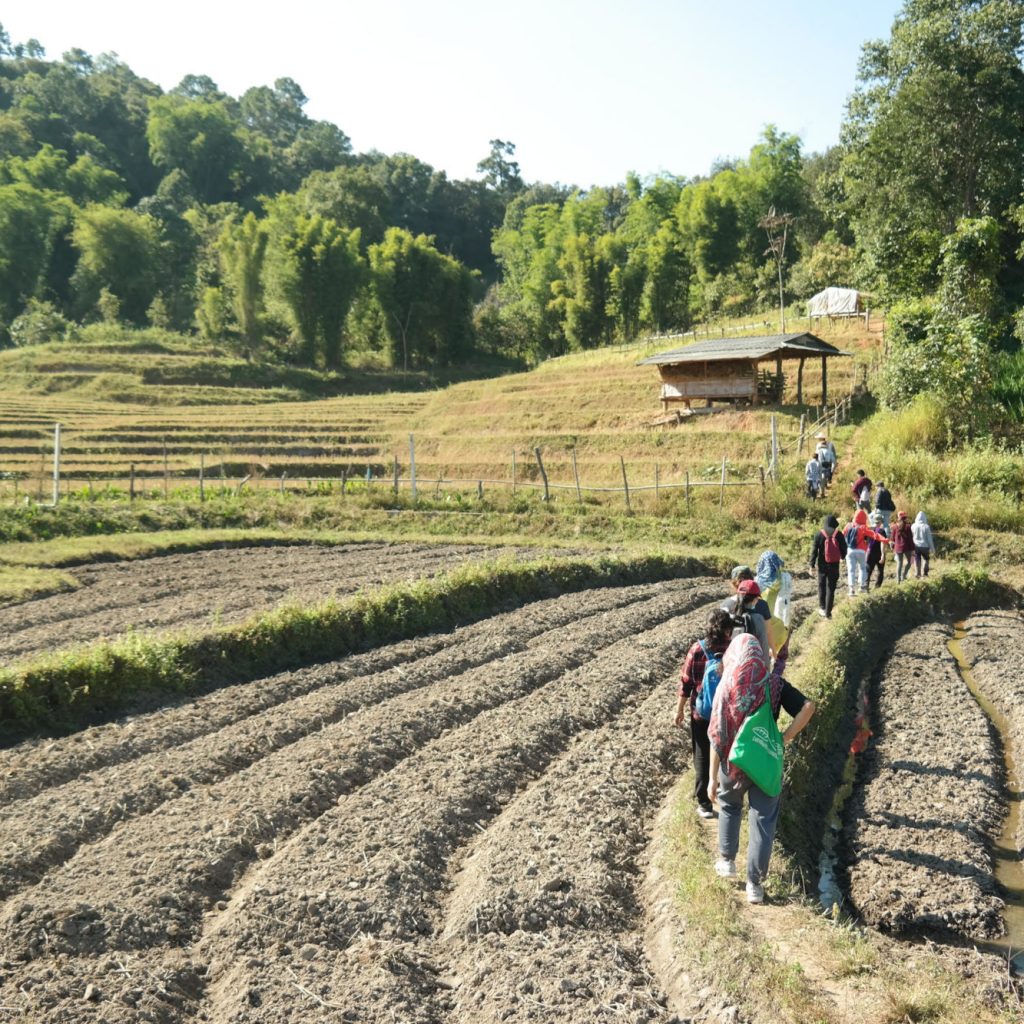
EarthRights’ climate resilience and environmental justice work is built on the premise that the communities most vulnerable to climate impacts are often the communities that experience environmental injustice. Through this work, we partner with communities, especially in the United States and the Mekong Region, to strengthen their capacity to respond to the impacts of climate change, while maintaining a strong commitment to justice and the principle that no group should bear a disproportionate share of climate and environmental burdens.

Our work is guided by local leadership, rooted in the needs and priorities of our community partners, and driven by the desire to build resilience in the face of rising displacement, toxic pollution, and environmental degradation. Through legal support, advocacy, and movement-building, we are helping our partners navigate and challenge the systemic forces fueling these harms.
“Criminalization” is one of the most dangerous tactics
According to available data, criminalization accounts for more than half of all attacks on environmental defenders.
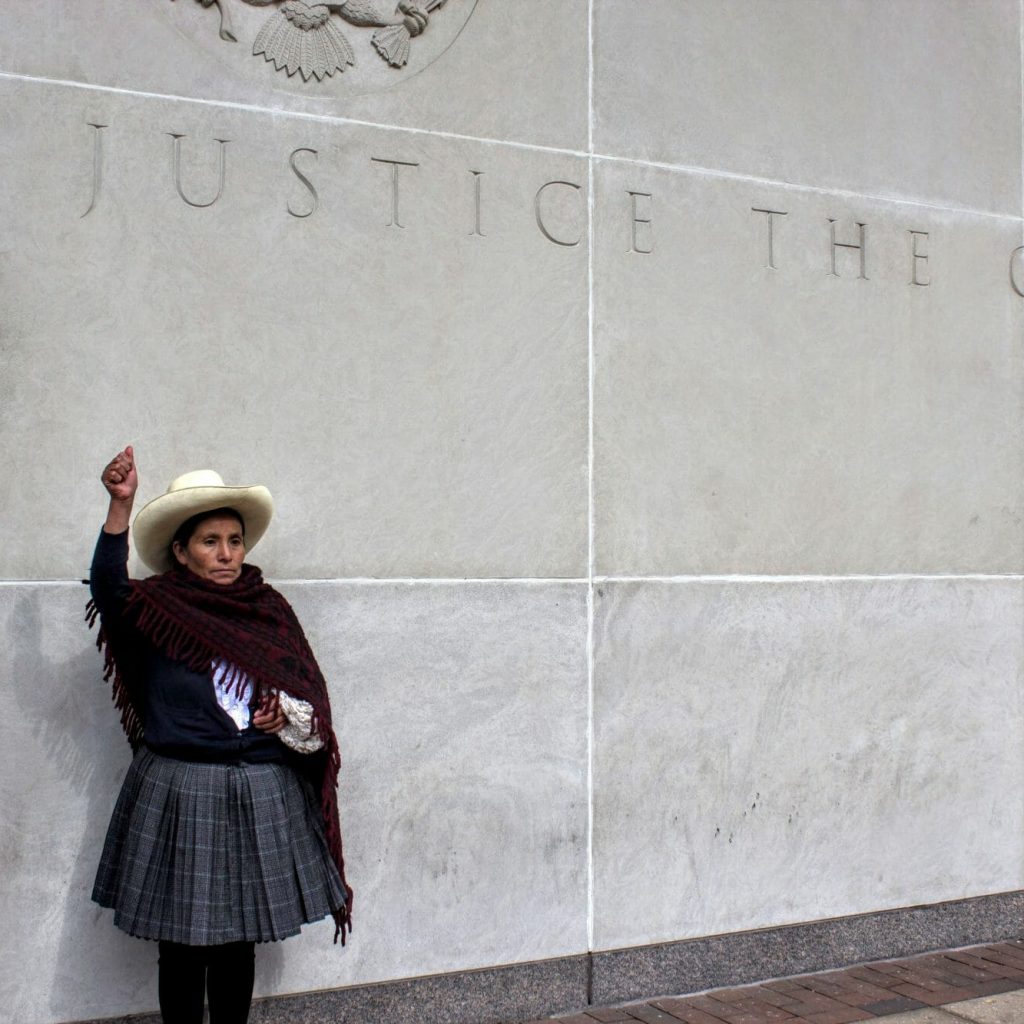
Criminalization occurs when powerful politicians and business leaders weaponize the legal system to silence their critics. This can include passing laws that restrict free speech and peaceful protest, imposing harsh penalties for civil disobedience, and using baseless allegations to subject targets to costly and lengthy legal proceedings.
Criminalization and smear campaigns often go hand-in-hand. Perpetrators use smear campaigns to portray defenders as criminals, terrorists, or other kinds of threats to society. These narratives fuel public hostility and further justify violence against activists. Racial, ethnic, and gender discrimination exacerbate this situation, particularly for Indigenous defenders, who are disproportionately targeted.

Swipe to see more
What We Can Do
EarthRights is helping to reduce criminalization and other forms of violence against environmental defenders using several strategies:
Creating trusted protection networks:
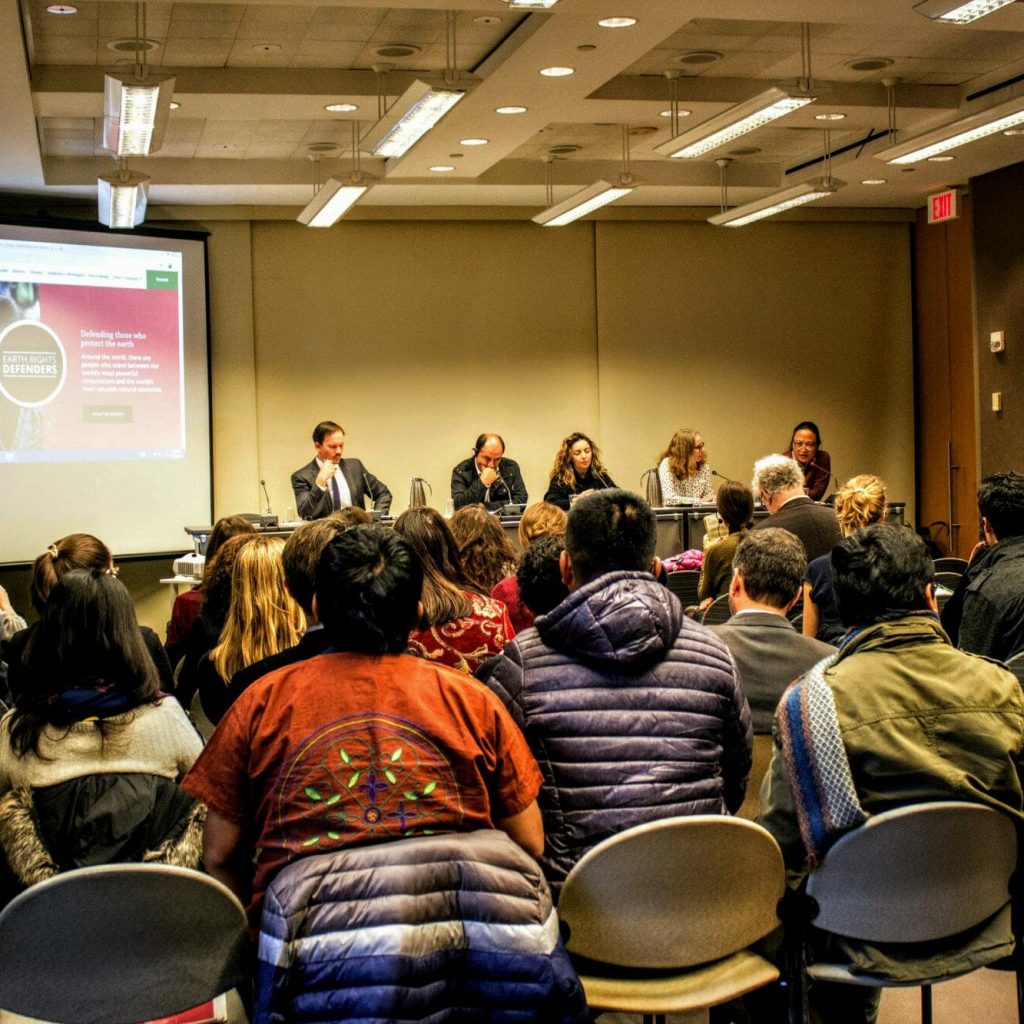
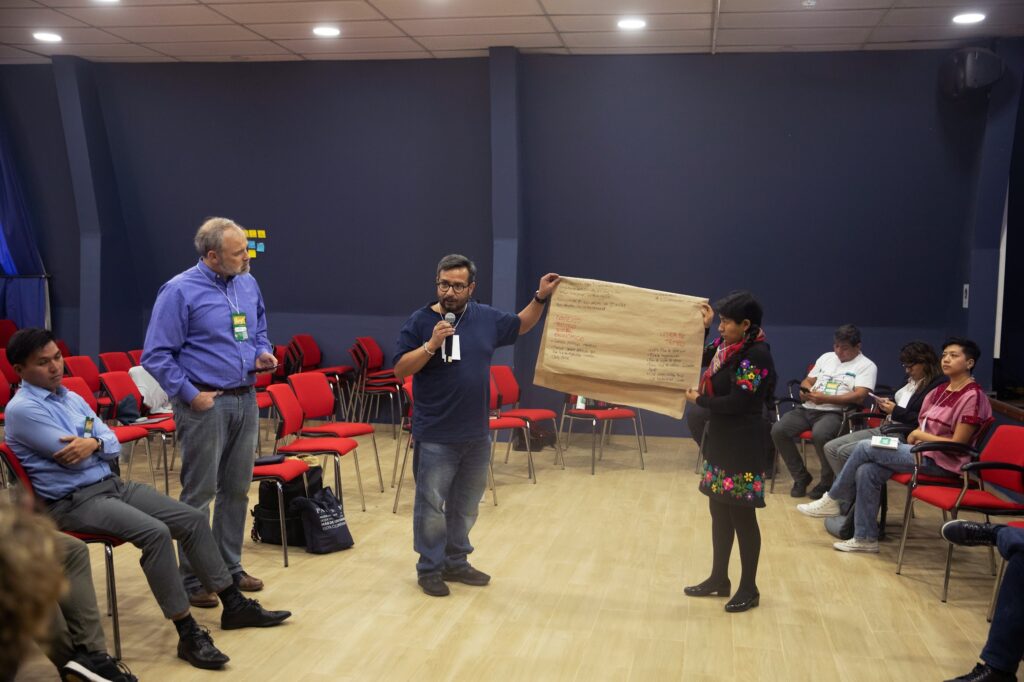
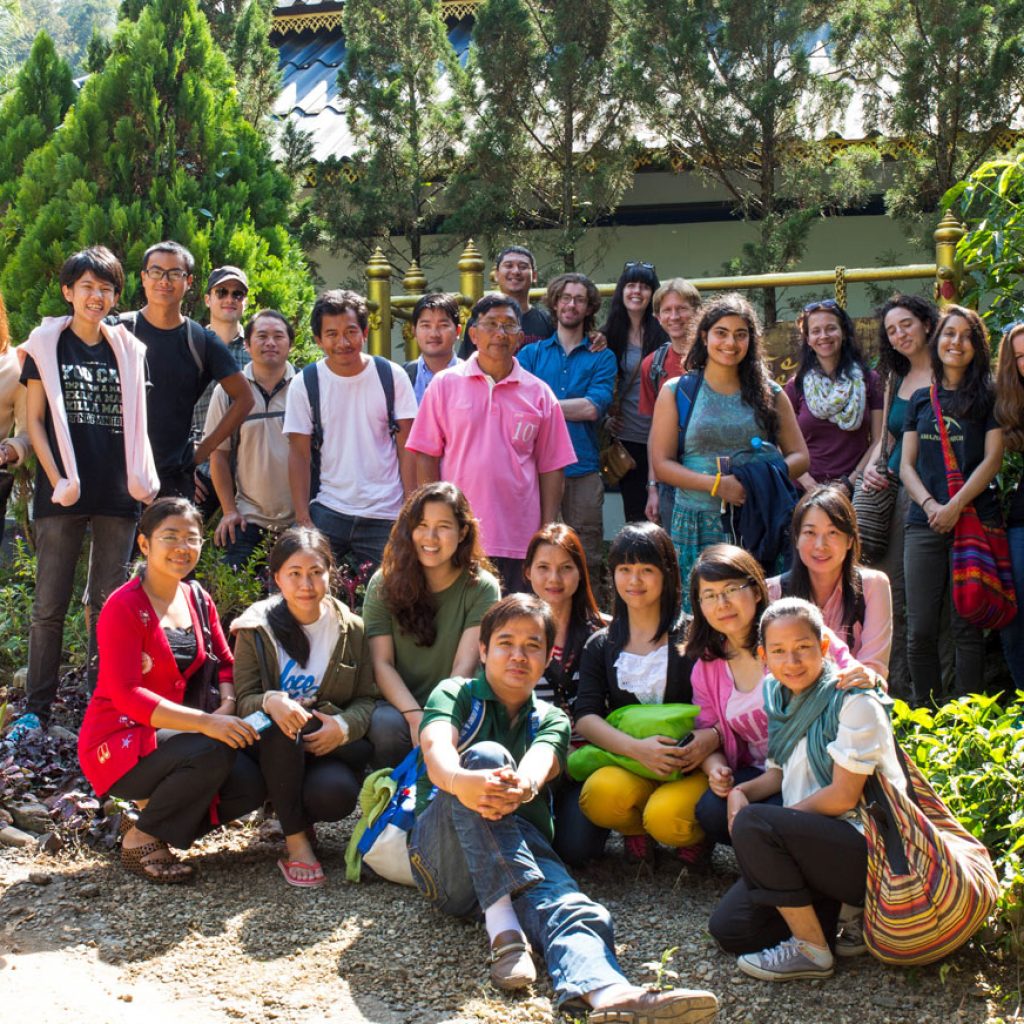
When environmental defenders face threats to their lives or safety, they often turn to their local networks of trusted allies for help. These local networks are in turn more resilient when connected to national, regional, and international networks. EarthRights plays a leadership role in local networks in the Mekong and Amazon regions, national networks such as Protect the Protest in the United States, and international networks such as the Alliance for Land, Indigenous and Environmental Defenders (ALLIED).
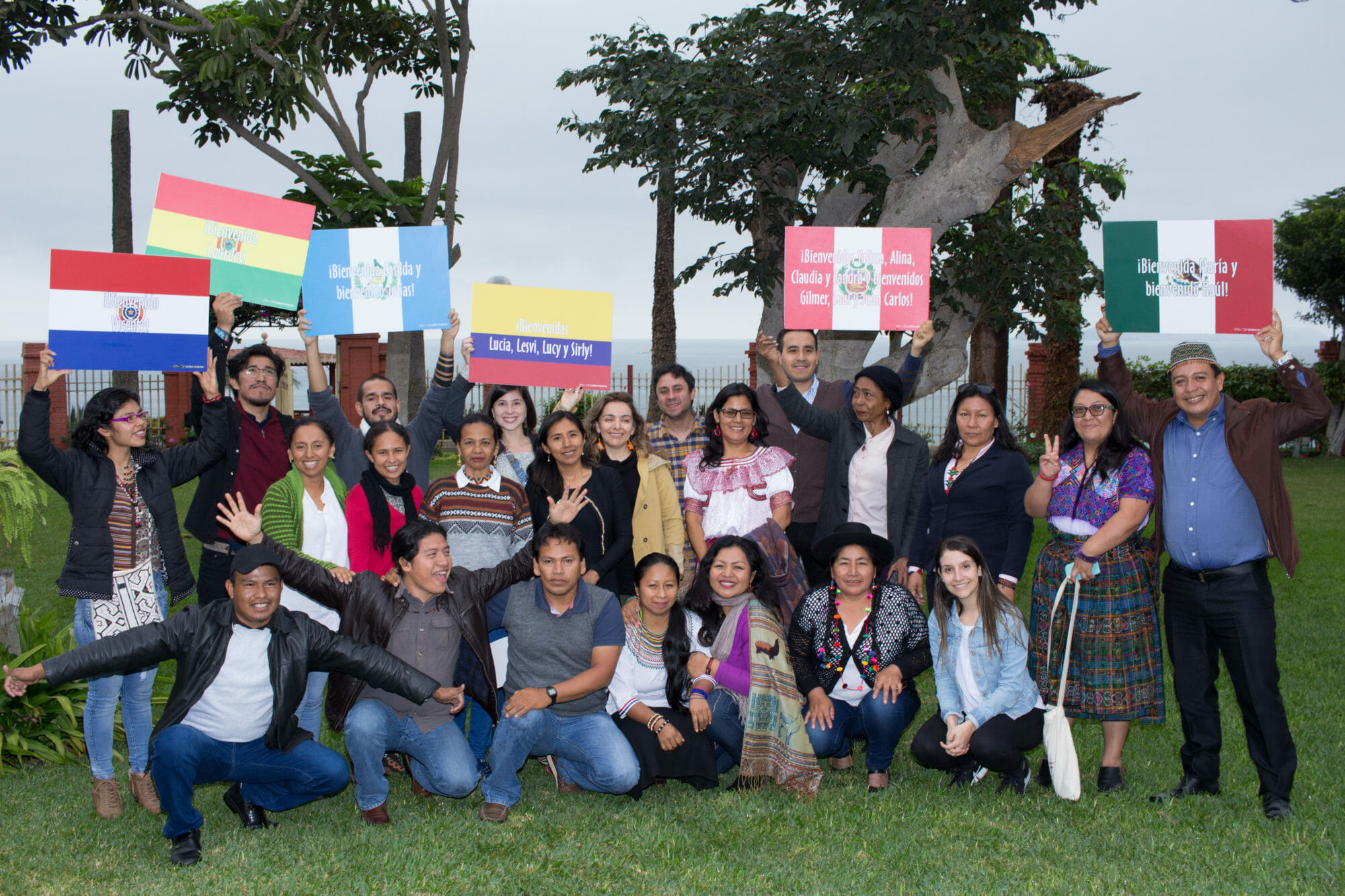
Facilitating South-South collaborations:
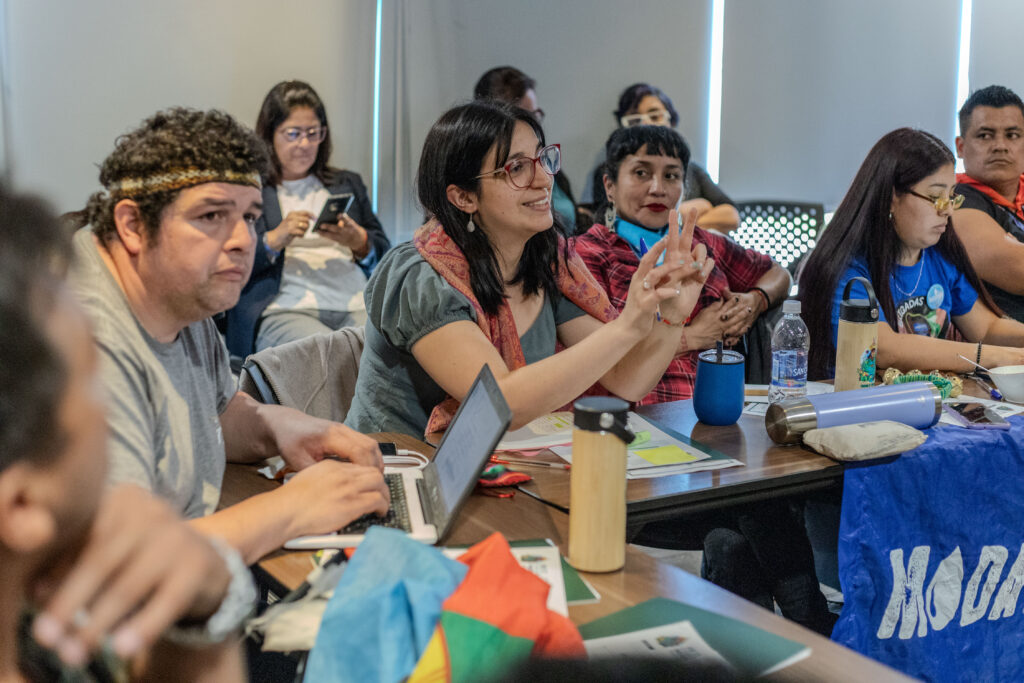
Criminalization is challenging to defend against, because it is often disguised as a legitimate prosecution or lawsuit, and because it is often accompanied by a smear campaign that falsely portrays the environmental defender as a “criminal” or “terrorist.” EarthRights creates safe spaces where environmental defenders from the Global South can share their experiences with criminalization and strategies for responding.
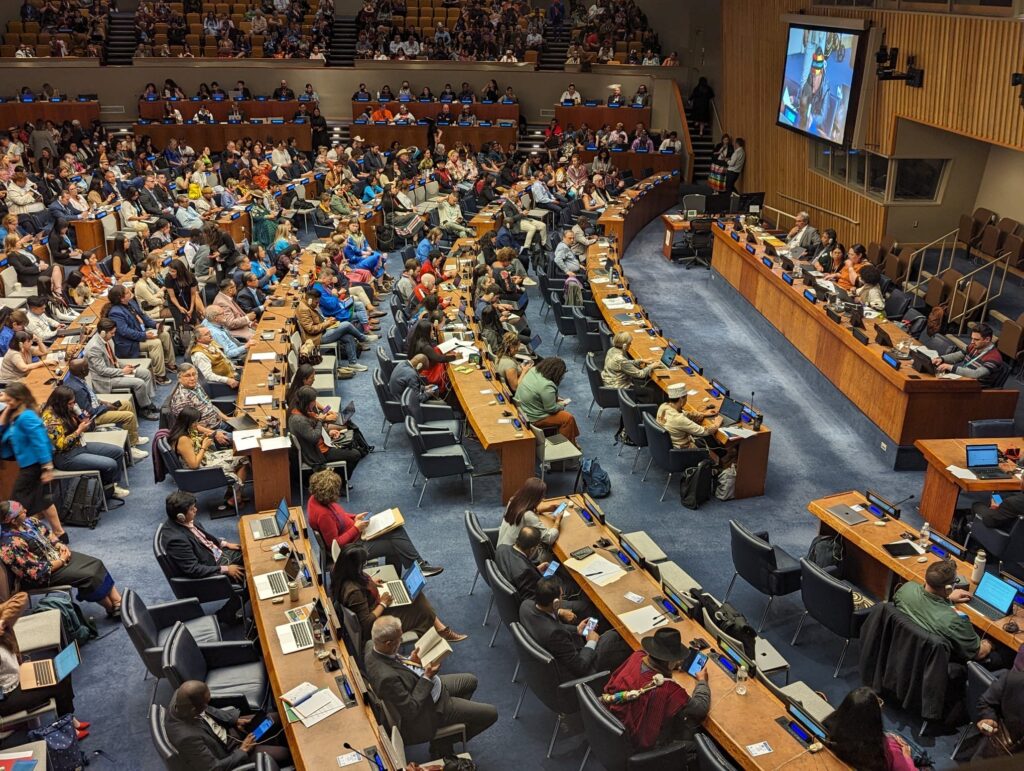
Encouraging those with leverage to use it:
Many criminalization attacks originate from members of a country’s economic, political, or military elite. In many cases, interventions from other powerful institutions can help. EarthRights conducts research and advocacy to encourage embassies, multinational corporations, and international banks to use their leverage to end attacks.
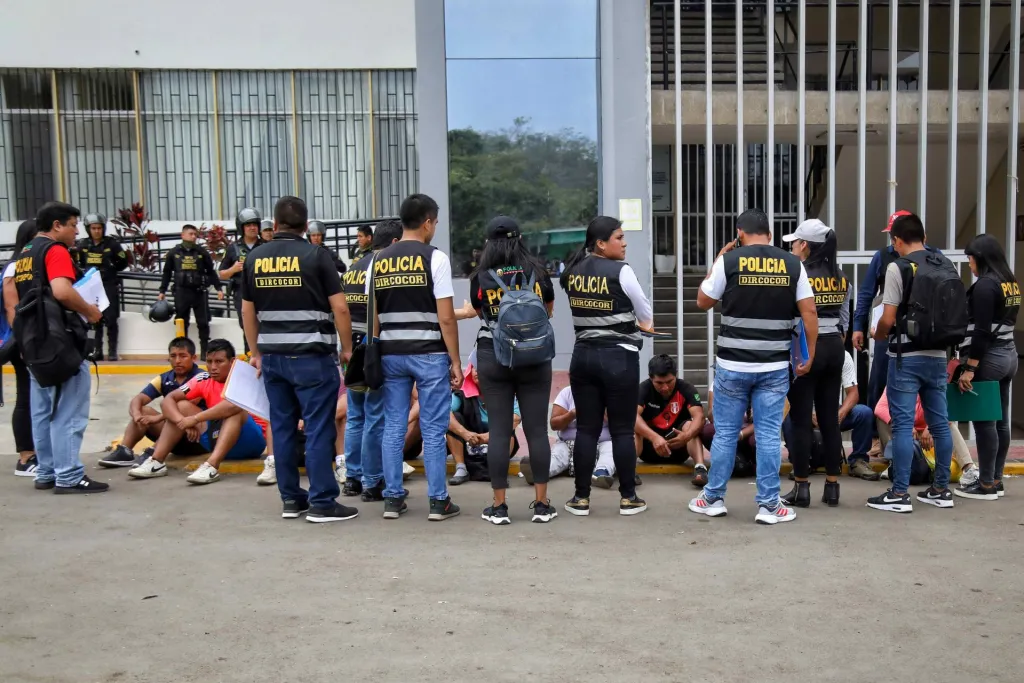
Ending the co-opting of law enforcement:
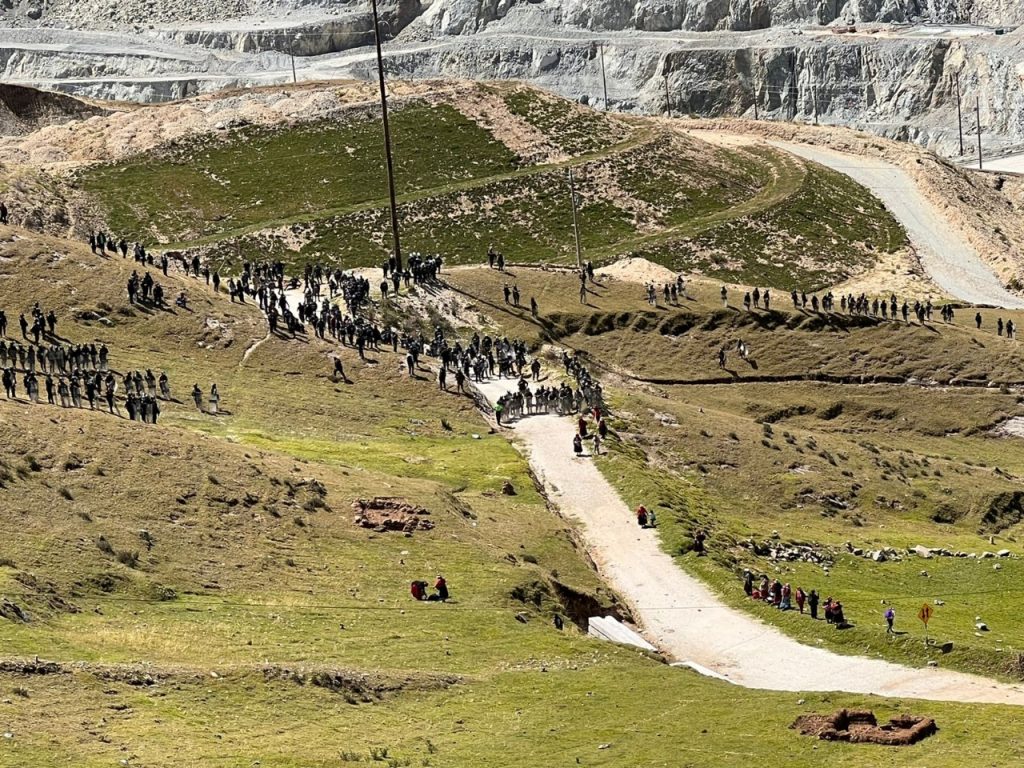
In all of the regions where we work, corporations have entered into funding agreements with local law enforcement that results in public security forces being used for private purposes. For example, EarthRights has documented this trend with mining companies in Peru and oil and gas companies in the United States. This results in arbitrary investigations and prosecutions that serve as the basis for criminalization. We work to end these improper arrangements and ensure that law enforcement fulfills its responsibilities to the public.
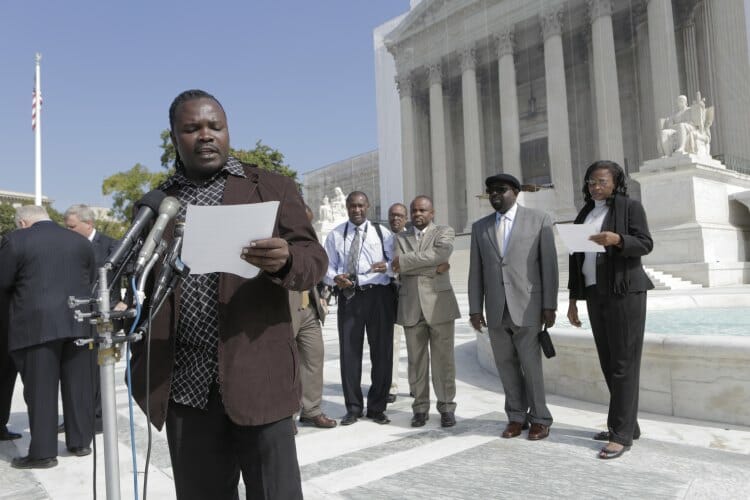
Raising the costs of attacks:
Attacks on environmental defenders, including criminalization, appear to be growing because the perpetrators face no costs or consequences. In many countries, criminalization is a cheap and easy way to silence one’s critics. EarthRights is working in partnership with allies to raise the political, legal, economic, and reputational costs that perpetrators face.
Help us fight for Justice
In a world where climate disruption is accelerating, corporate harm often goes unchecked, and threats against advocates continue to rise, our victories remind us where we’re most needed and most effective.