Sherly Falcón empowers young people in Pasco province in the classroom and through the Interquorum Network, encouraging them to defend their rights and protect the environment.
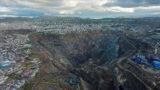
Sherly Brendy Falcón Carlosviza spent her childhood high up in the Peruvian Andes, where the cold chills you to the bone and the wind sweeps down from an altitude of 4,300 meters. Today, at 23, she is an elementary school teacher in Cerro de Pasco, a city scarred by a massive open-pit mine that dominates the landscape and, for many, defines their destiny from the moment they are born there.
“Pasco is a very beautiful area. It has ranching, fish farming, flora and fauna. We are incredibly rich in a variety of ways,” she says. That is why it pains her so much to see mining as the city’s dominant economic activity.
In Cerro de Pasco, in these same mountains where Sherly grew up, more than 70,000 people live each day with the impacts of decades of mining. Multinational companies have contaminated the environment with heavy metals such as lead, mercury, and arsenic. These metals are present in high concentrations in the air, soil, and water, causing serious harm to the health and quality of life of the city’s inhabitants.
For years, like many residents of Cerro de Pasco, she normalized the presence of the enormous open-pit mine that seems to be swallowing the entire city. “I was unaware of what was happening in Pasco. For me, living in that environment was normal,” recalls Falcón.
Everything changed when, at the age of 15, she attended a conference on environmental health and rights and heard for the first time about the diseases caused by the presence of lead in the blood.
She began to understand that the problem was neither abstract nor distant: it was inside her own body, a result of having been born and raised in Cerro de Pasco. “I’m leaving Pasco today, I won’t see the pollution anymore, but the fact that I lived there for years means my blood, my hair, are already contaminated. It’s part of me now,” she says.
As a teacher, this discovery hit her even harder. She began to suspect that the pollution had disproportionately affected the city’s young people and started investigating the matter further.
She discovered a disturbing reality: children in the area exhibited problems with attention, retention, and memory compared to students of the same age in other parts of the country, as seen through standardized tests in language, memory, mathematics, and logic.
“Cognitive learning levels in Cerro de Pasco are lower than in any other region of Peru,” notes Falcón. She sees this firsthand in her classroom every day. “There is a significant issue with attention spans, and engaging with the material is difficult.” This makes teaching a challenge. To overcome these obstacles, Falcón must plan her lessons with extra care, constantly creating different ways to present the content and reinforce it with her students.
Strengthening Youth Leadership to Demand a Pollution-Free Cerro de Pasco
For Falcón, education is a powerful tool. Through her classes in psychology, theater, and arts, she teaches her students about children’s rights and raises awareness of the reality in Cerro de Pasco. This initiative is also shared by the Interquorum Network, an association that empowers young leaders to strengthen democracy, human rights, and environmental sustainability, and for which Falcón currently serves as a spokesperson.
This group promotes community dialogue spaces, workshops, and activities aimed at raising awareness among young people about the impact of mining and encouraging actions that enable them to build a contamination-free future where they can fully thrive.
Falcón asserts that this is not a criticism of mining work itself, but rather of the failure to comply with existing laws designed to protect people from harmful extractive activities. “Peru is rich in mining resources, but proper protocols must be followed,” she states. Her demand is simple: that the right of all people to live in a healthy environment must be protected.
Source International, an NGO specialized in scientific research in areas heavily contaminated by extractive activities, has documented the extent of the problem in Cerro de Pasco. According to studies conducted by the organization, heavy metal concentrations in water sources and soil surpass both Peruvian and international standards by up to a hundred times.
On May 28, 2026, the Provincial Municipality of Pasco—with the support of EarthRights International and backed by evidence gathered by Source—filed a lawsuit that seeks a court order requiring the mining company Volcán and its associated firms to clean up lagoons, rivers, and soils contaminated with heavy metals, conduct an assessment of environmental and public health impacts, and implement an action plan to resolve this issue.
Amidst the freezing mist from the Andes mountains, Falcón, alongside her fellow members of the Interquorum Network, calls upon the youth of Pasco: “Let us fight for a generation that lives more justly. Let us raise our voices and raise awareness about these vitally important issues.”
Her story is proof that hope can flourish even in the most adverse of places. “It comforts me to know that there are people working little by little to repair the damage that we did not cause,” she concludes.
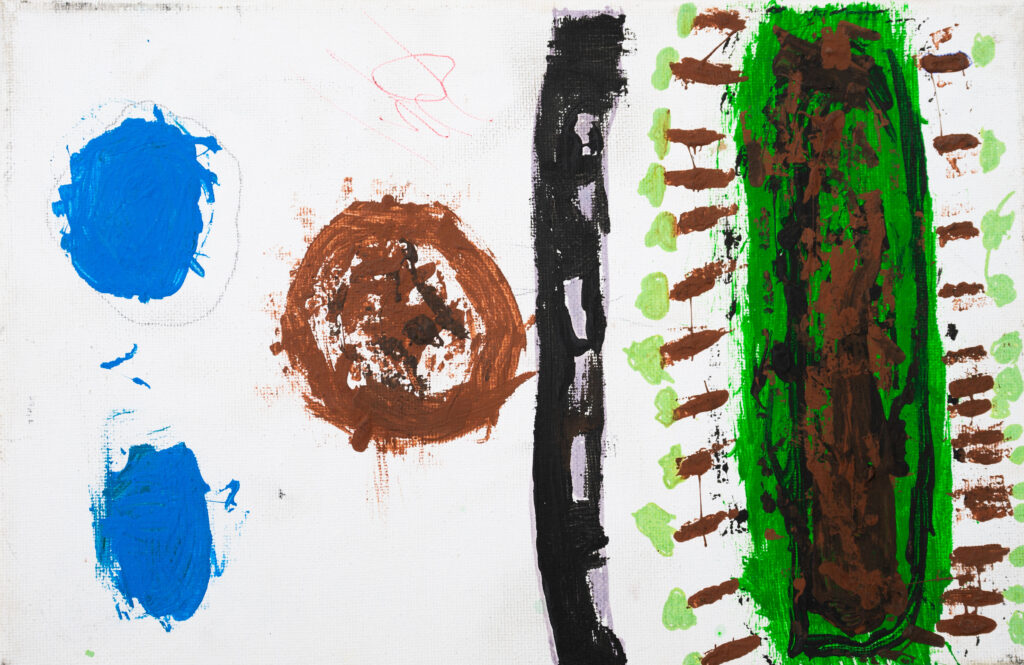
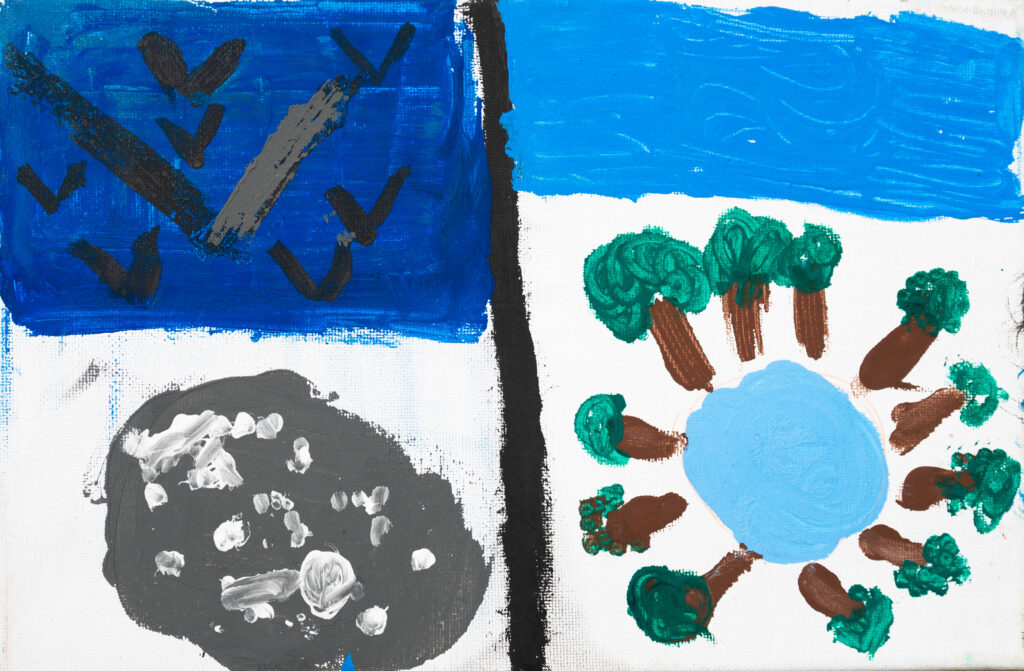
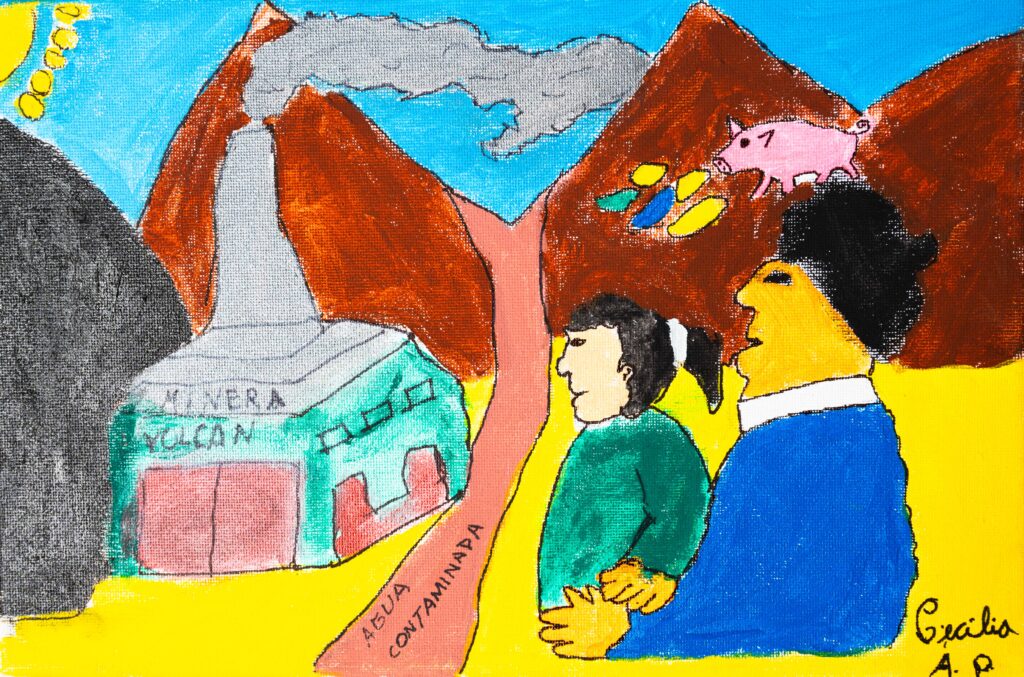
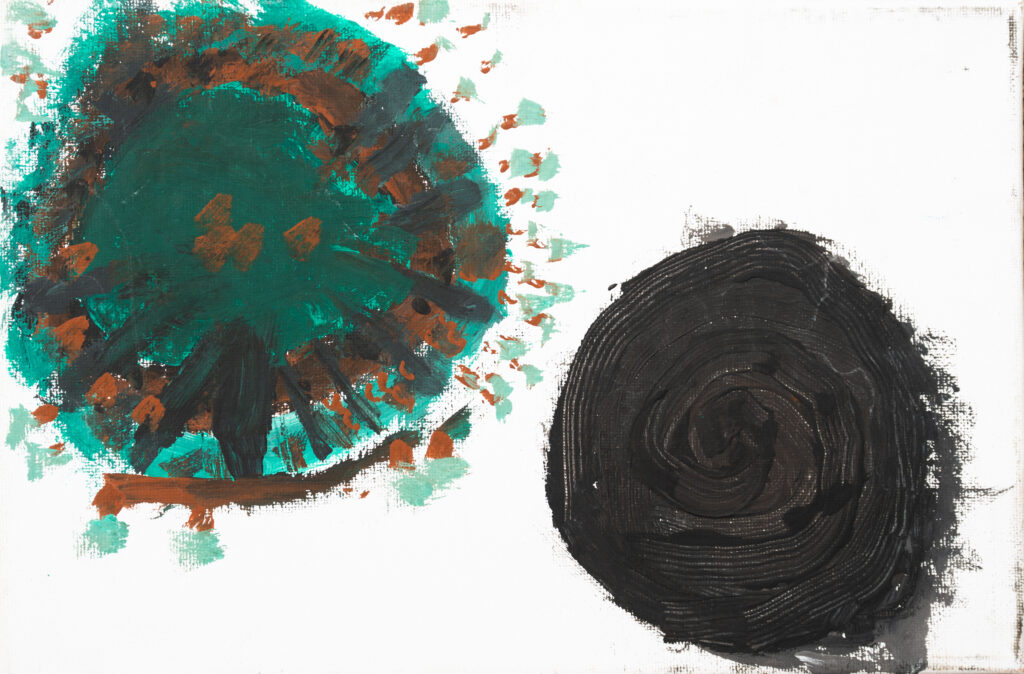
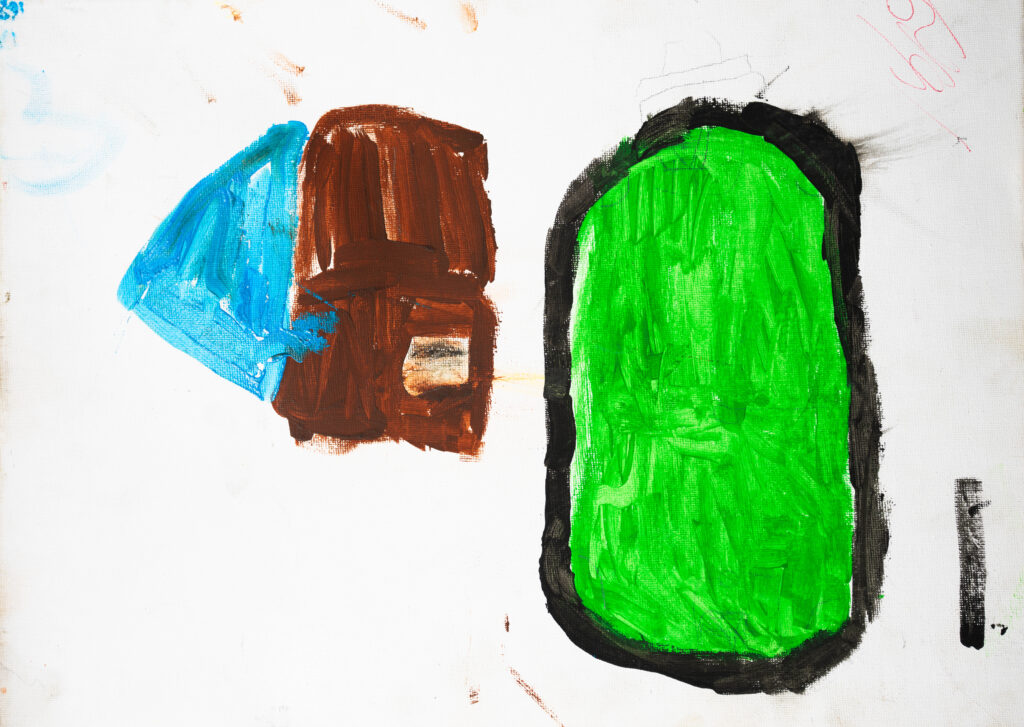
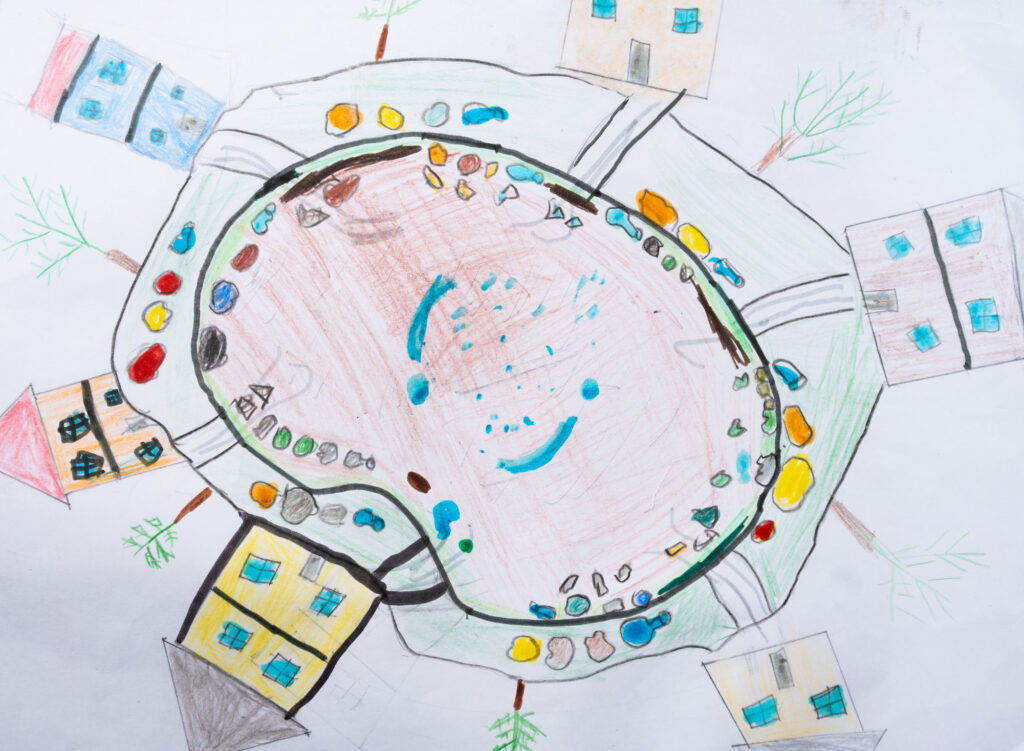
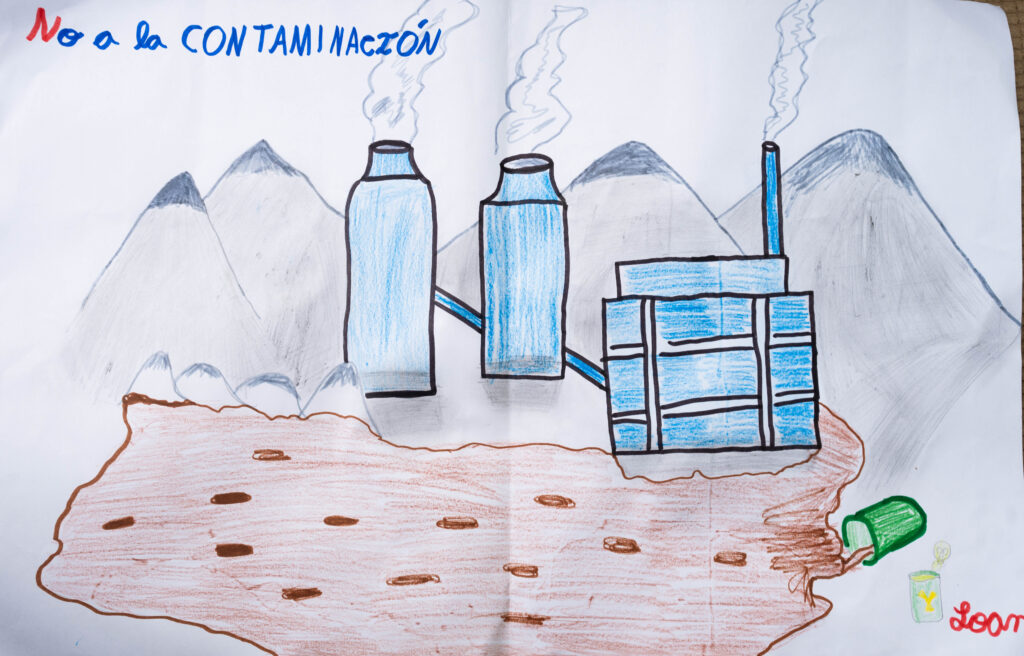
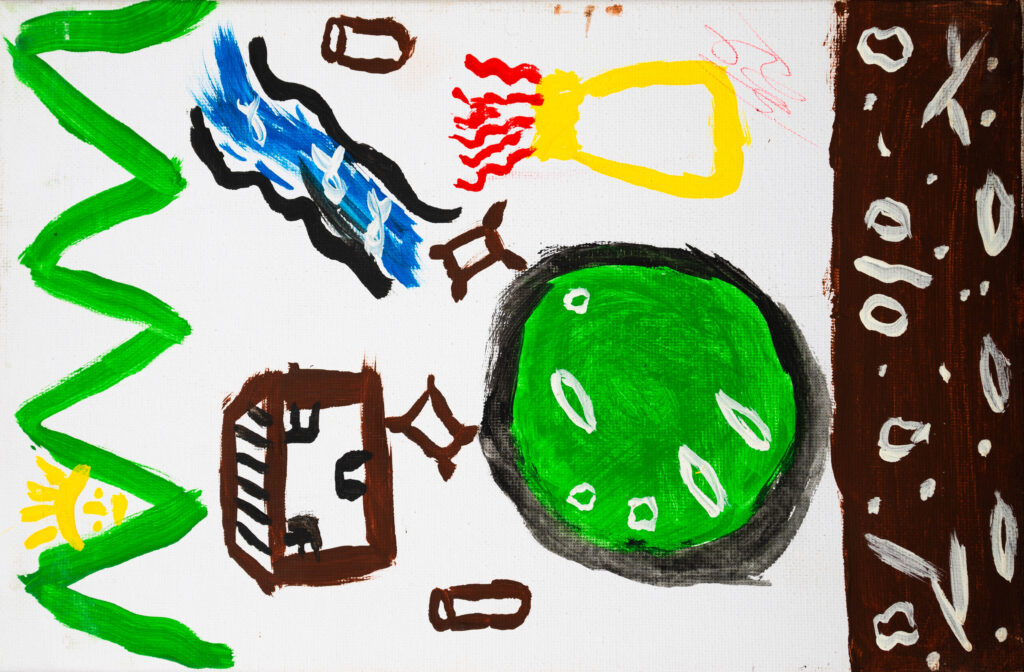
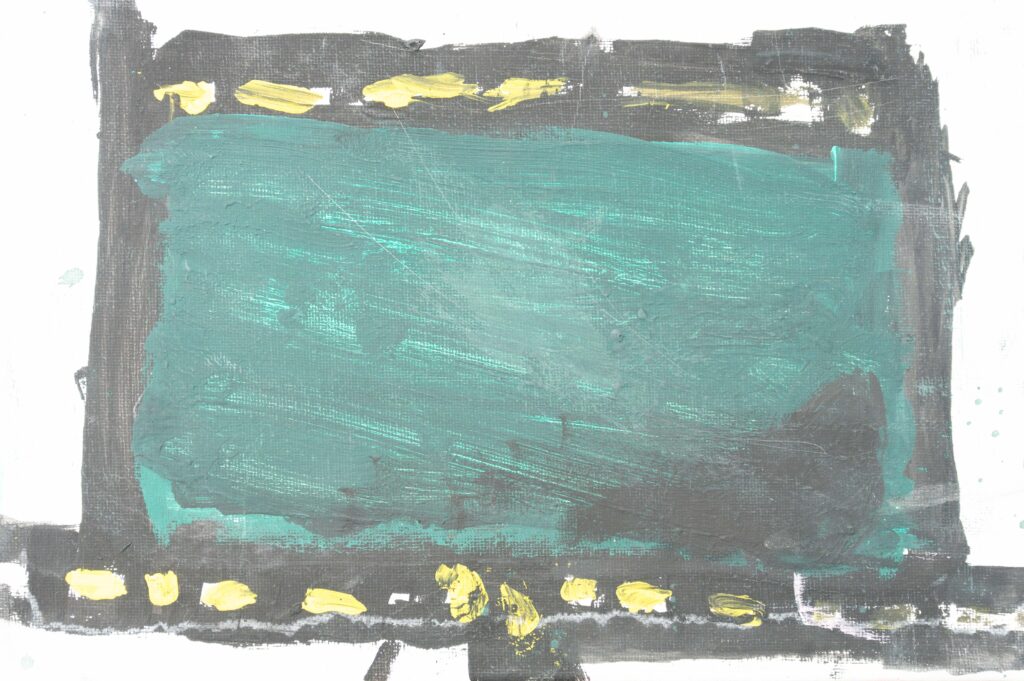
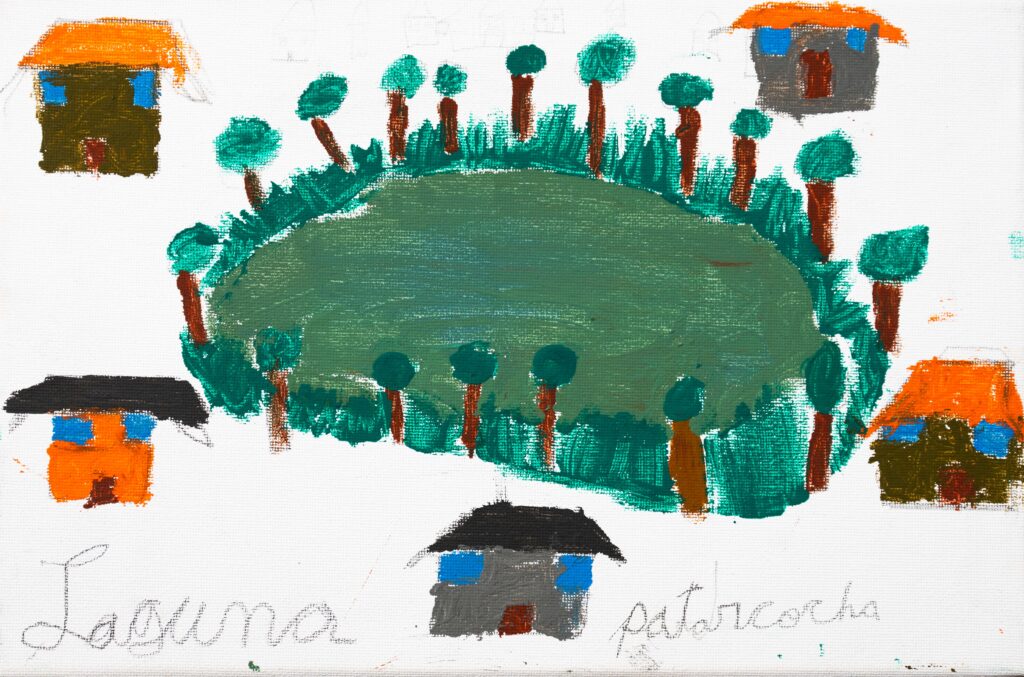
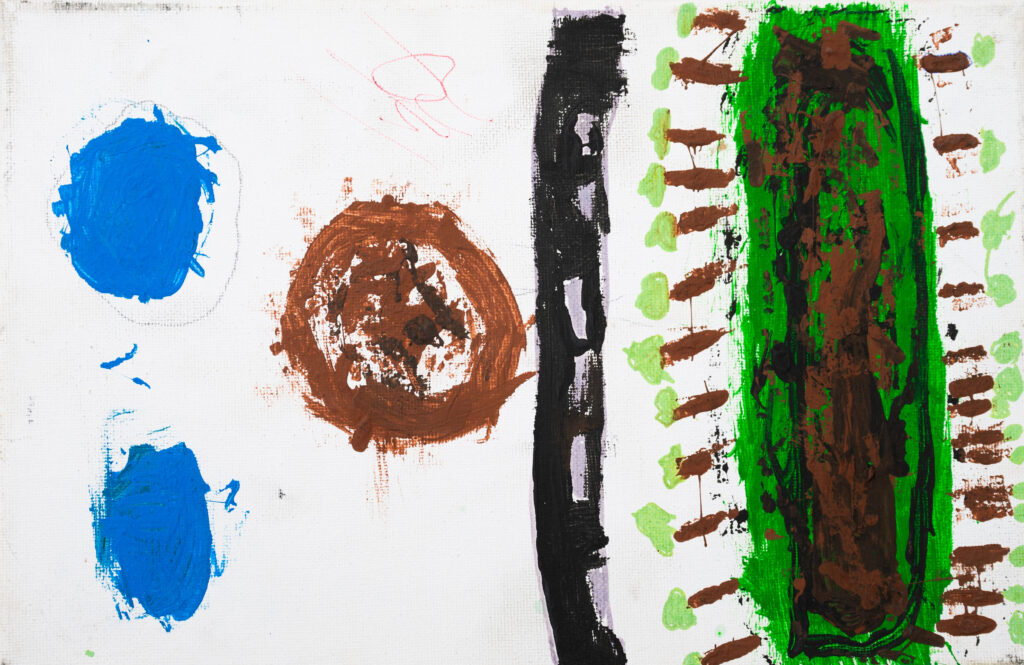
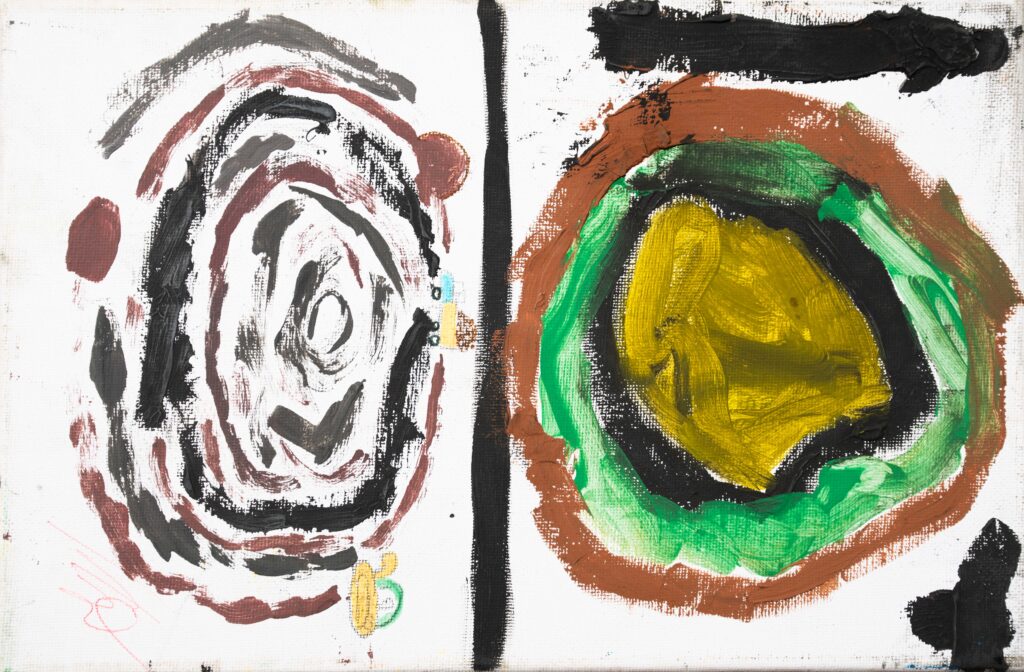
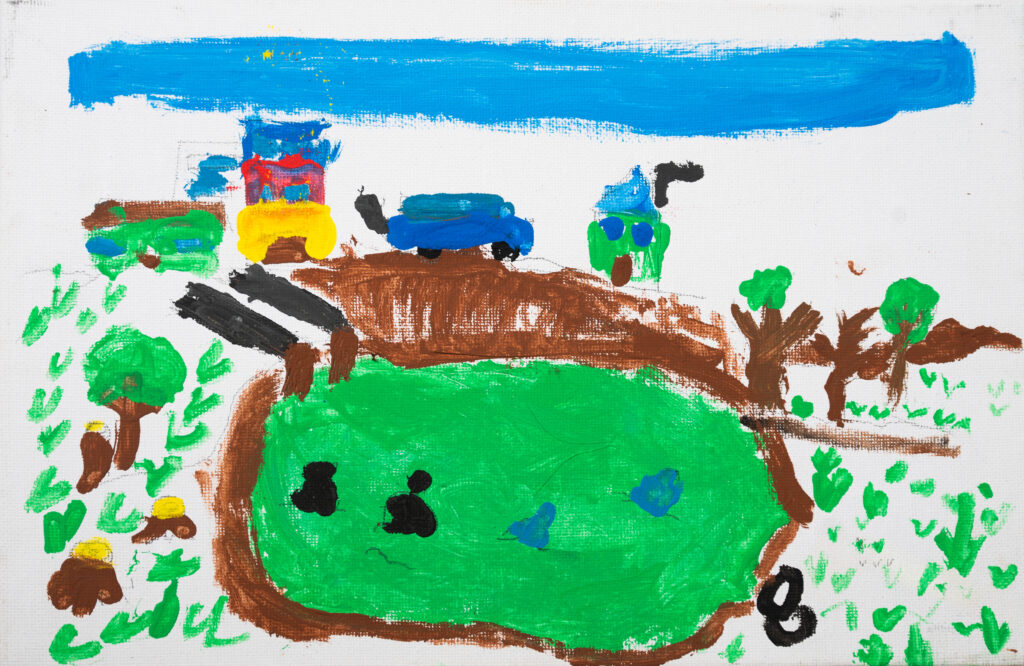
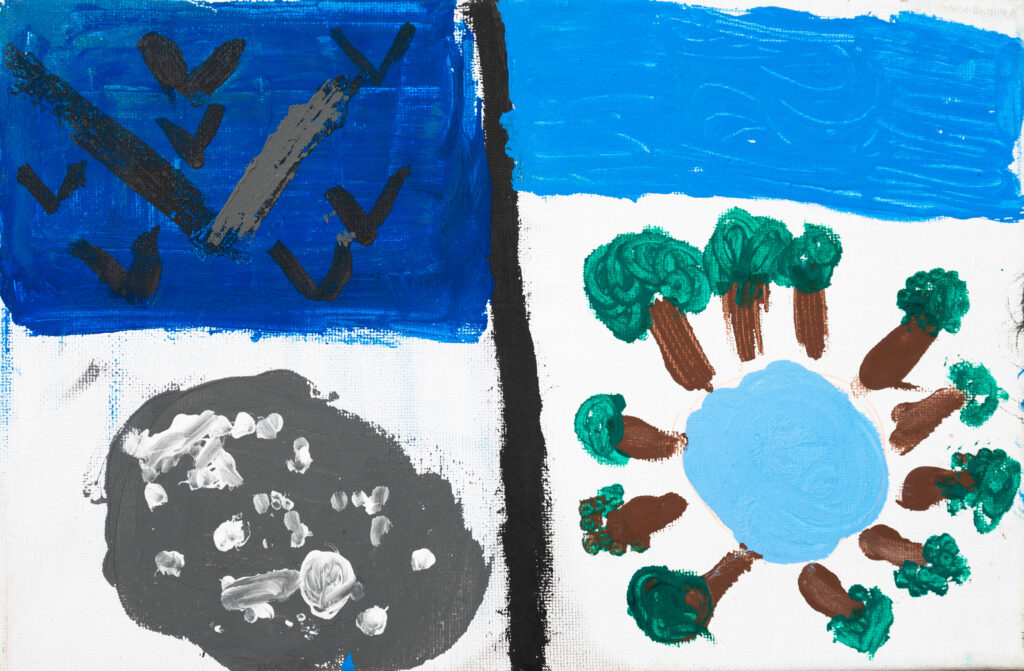
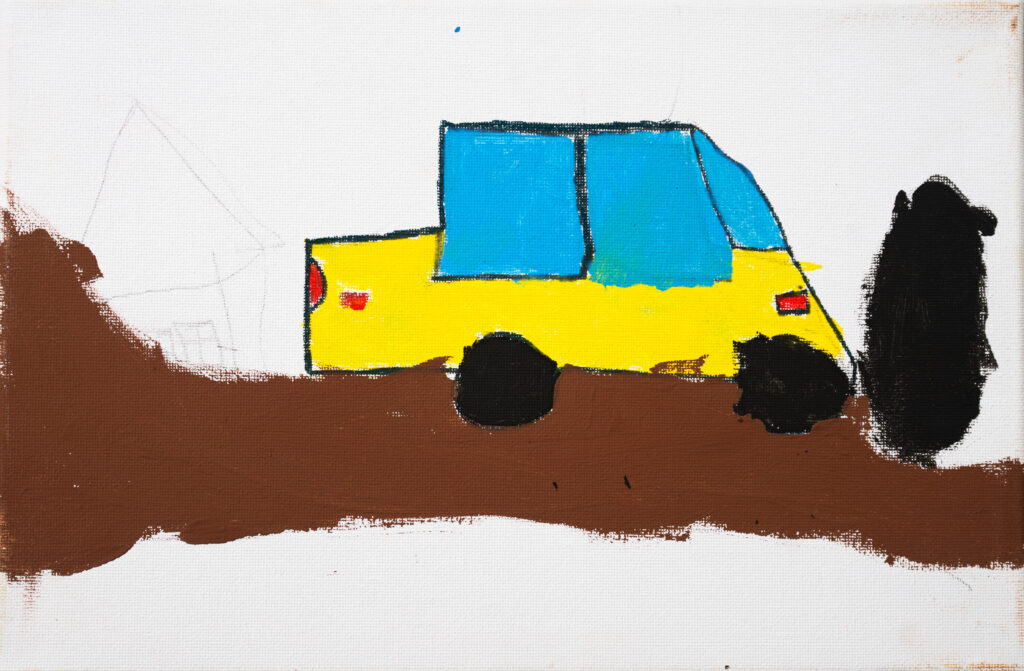
This Is How Children See Cerro de Pasco
Teacher Sherly Falcón asked her students to draw pictures showing how they see and experience the city where they live. Their drawings offer an honest glimpse into what it means for the younger generations to live in an environment shaped by mining activity.