Desde las aulas de clases y la Red Interquorum Pasco, Sherly Falcón promueve el empoderamiento de los jóvenes de la provincia de Pasco para defender sus derechos y proteger el medio ambiente.
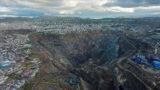
En lo alto de los Andes de Perú, donde el frío cala los huesos a más de 4.300 metros de altura, creció Sherly Brendy Falcón Carlosviza. Hoy, a sus 23 años, es profesora de nivel secundario en Cerro de Pasco, una ciudad marcada por un gigantesco cráter minero a cielo abierto que domina el paisaje y define, para muchos, el destino desde que nacen allí.
“Pasco es una zona muy bonita. Tiene ganadería, piscicultura, flora y fauna… Somos demasiado ricos en diversas cosas”, afirma. Por eso, le duele tanto ver que la minería sea la actividad económica dominante de la ciudad.
En Cerro de Pasco, en esas mismas montañas en las que creció Sherly, hay más de 70.000 personas que conviven todos los días con los impactos de décadas de minería. Empresas multinacionales han contaminado el ambiente con metales pesados, como plomo, mercurio y arsénico. Estos metales se encuentran en altas cantidades en el aire, el suelo y el agua, impactando seriamente la salud y la calidad de vida de los habitantes de la ciudad.
Durante años, como muchos de los habitantes de Cerro de Pasco, normalizó la presencia del gigantesco tajo minero que parece tragarse la ciudad entera. “Era inconsciente de lo que pasaba en Pasco… Para mí era normal vivir en ese ambiente”, recuerda Falcón.
Todo cambió cuando, a los 15 años, asistió a una conferencia sobre derechos y salud ambiental donde escuchó por primera vez sobre las enfermedades que genera la presencia del plomo en la sangre.
Empezó a entender que el problema no era abstracto ni lejano: estaba dentro de su propio cuerpo por haber nacido y crecido en Cerro de Pasco. “Yo hoy me voy de Cerro de Pasco, no veo más la contaminación, pero el hecho de que ya he vivido por años en Pasco significa que ya está contaminada mi sangre, mi cabello. Hoy es parte de mí”, cuenta.
Como maestra, este descubrimiento la golpeó aún más fuerte. Empezó a sospechar que la contaminación había causado impactos desproporcionados en los jóvenes de la ciudad y empezó a investigar más sobre el tema.
Halló una realidad inquietante: los niños en la zona presentan problemas de atención, retención y memoria en comparación con estudiantes de las mismas edades en otras partes del país tras realizarles pruebas estandarizadas de lenguaje, memoria, matemáticas y lógica.
“Los niveles cognitivos de aprendizaje en Cerro de Pasco son menores a cualquiera de las regiones que se encuentran en Perú”, comenta Falcón. Lo ve a diario en sus aulas. “Hay bastante déficit de atención, la que se tiene con el contenido es difícil”. Esto dificulta enseñar. Para superar estos desafíos, tiene que planear sus clases con más cuidado, pensando siempre en formas diferentes de presentar el contenido y reforzarlo con sus alumnos.
Fortalecer el liderazgo juvenil para exigir un Cerro de Pasco libre de contaminación
Para Falcón la educación es una herramienta poderosa con la que, a través de sus clases de psicología, teatro y artes, enseña a sus estudiantes sobre los derechos de la infancia y generar conciencia sobre la realidad que se vive en Cerro de Pasco. Una iniciativa que también comparte la Red Interquorum Pasco, una asociación que empodera a los jóvenes para el fortalecimiento de la democracia, los derechos humanos y la sostenibilidad ambiental, de la cual es actualmente vocera.
Este colectivo promueve espacios de diálogo comunitarios, talleres y actividades con el fin de sensibilizar a la juventud sobre el impacto de la minería e incentivar acciones que les permitan construir un futuro libre de contaminación en el que puedan desarrollarse plenamente.
Falcón asegura que no buscan cuestionar la actividad minera en sí, sino el incumplimiento de las normas que ya existen para proteger a las personas y al ambiente frente a actividades extractivas. “Perú es muy rico en minería, pero deben realizar los protocolos adecuados”, afirma. Su petición es simple: que se proteja el derecho de todas las personas a vivir en un ambiente sano.
Source International, una ONG especializada en investigación científica en lugares altamente contaminados por las actividades extractivas, ha documentado la magnitud del problema en Cerro de Pasco. Sus estudios han revelado concentraciones de metales pesados en fuentes de agua y suelos que, en algunos casos, superan hasta en cientos de veces los límites permitidos por la normativa peruana y los estándares internacionales.
Ante este panorama, la Municipalidad Provincial de Pasco presentó una demanda de amparo el 28 de mayo de 2026 con el apoyo de EarthRights International y el respaldo de la evidencia recopilada por Source, que busca que la justicia peruana ordene a la minera Volcán y sus empresas la reparación de los daños ambientales que ha causado, como la limpieza de las lagunas, los ríos y los suelos contaminados con metales pesados; así como la implementación de medidas que impidan que se repitan tales afectaciones y de ese modo, poner fin a esta problemática.
En medio de la neblina helada desde las montañas de los Andes, Falcón, junto a sus compañeros y compañeras de la Red Interquorum, hace un llamado a los jóvenes de Pasco: “Luchemos por una generación más justa en vida, alcemos nuestra voz y concienticemos sobre estos temas que son muy importantes”.
Su historia es la prueba de que incluso en los lugares más adversos, la esperanza puede florecer. “Me reconforta saber que hay personas que están trabajando poco a poco por enmendar los daños que no hemos causado nosotros”, concluye.
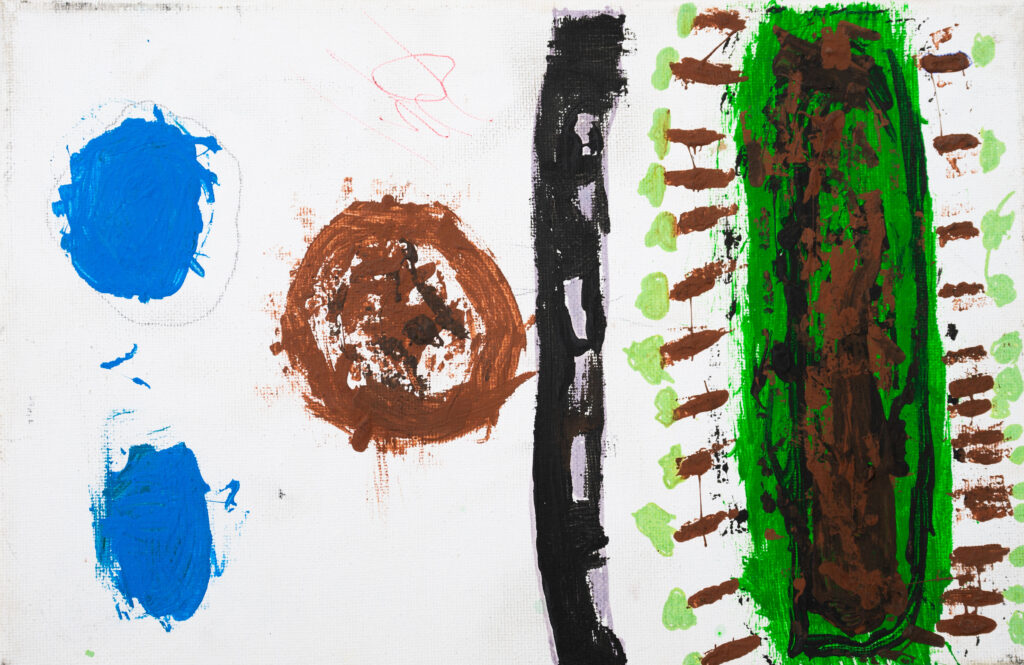
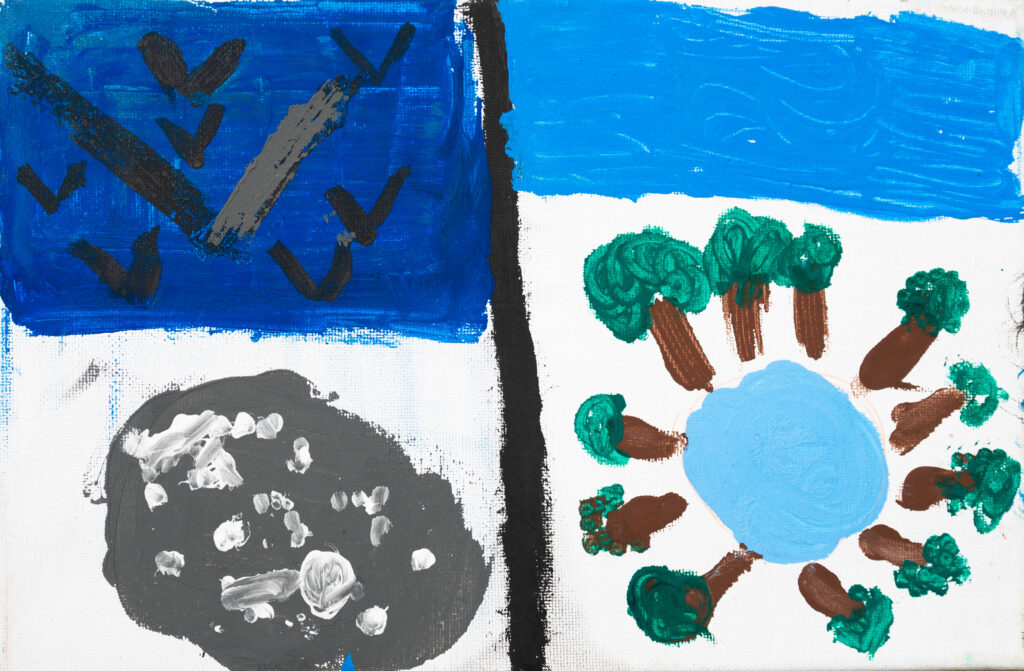
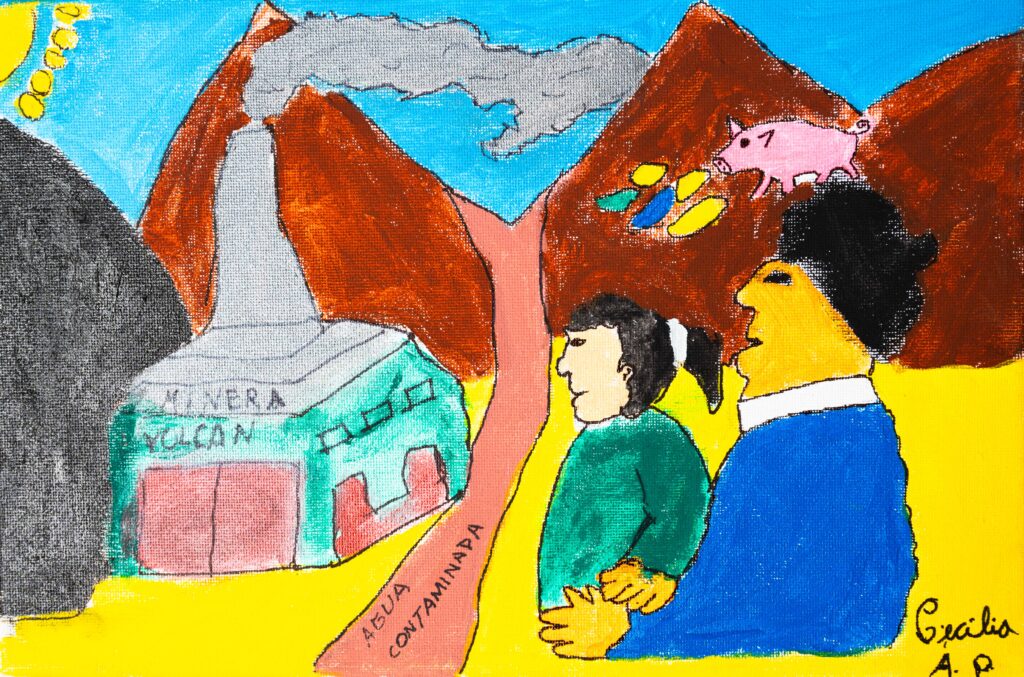
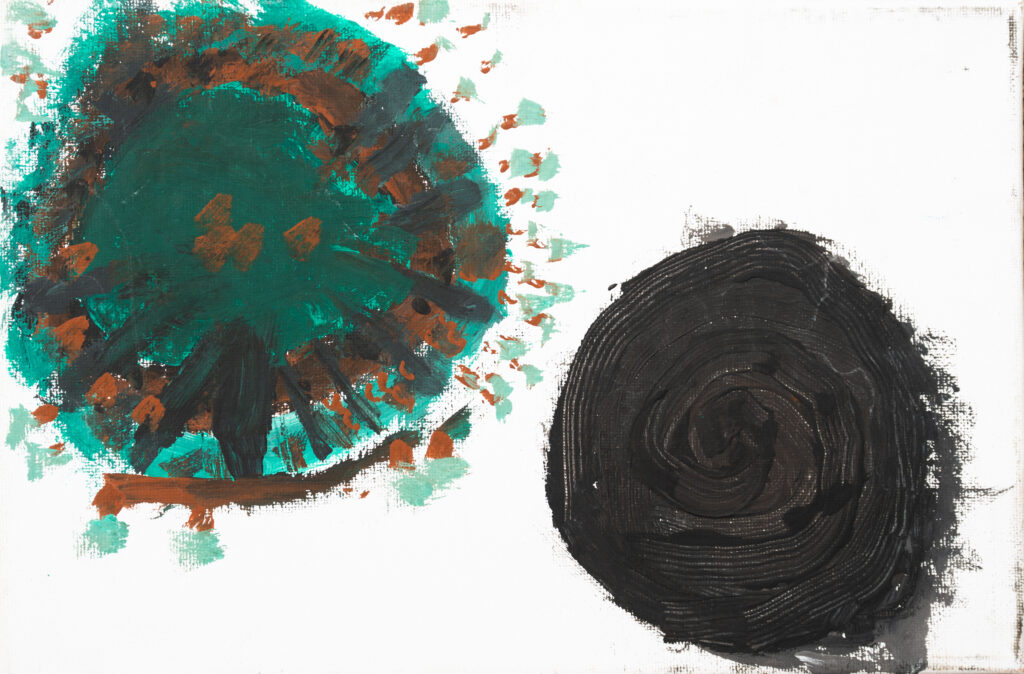
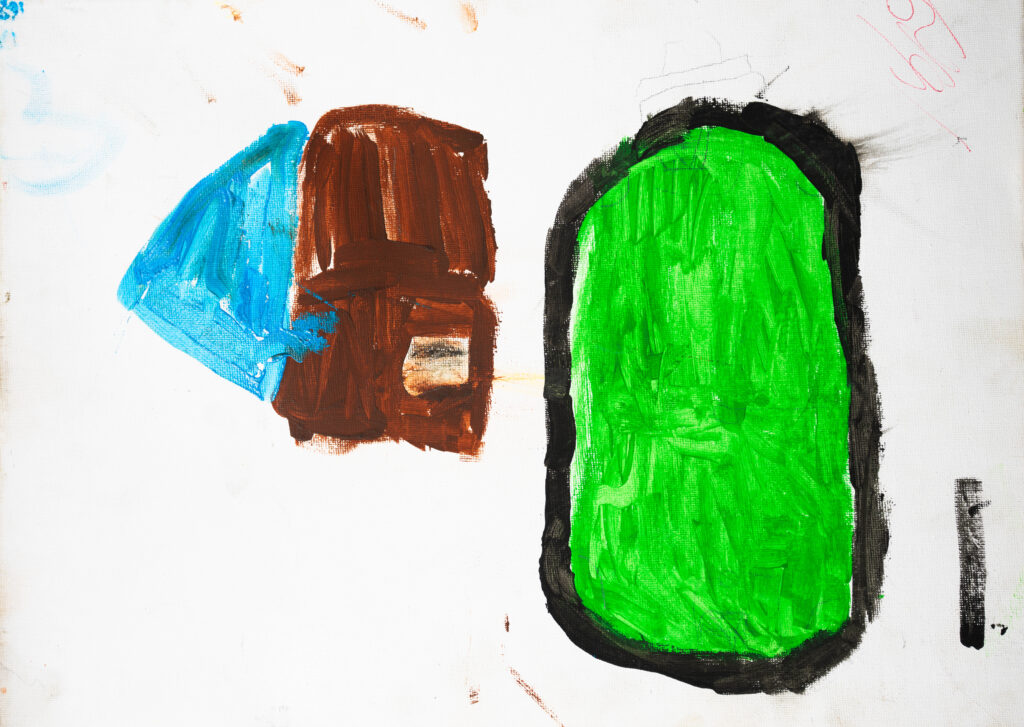
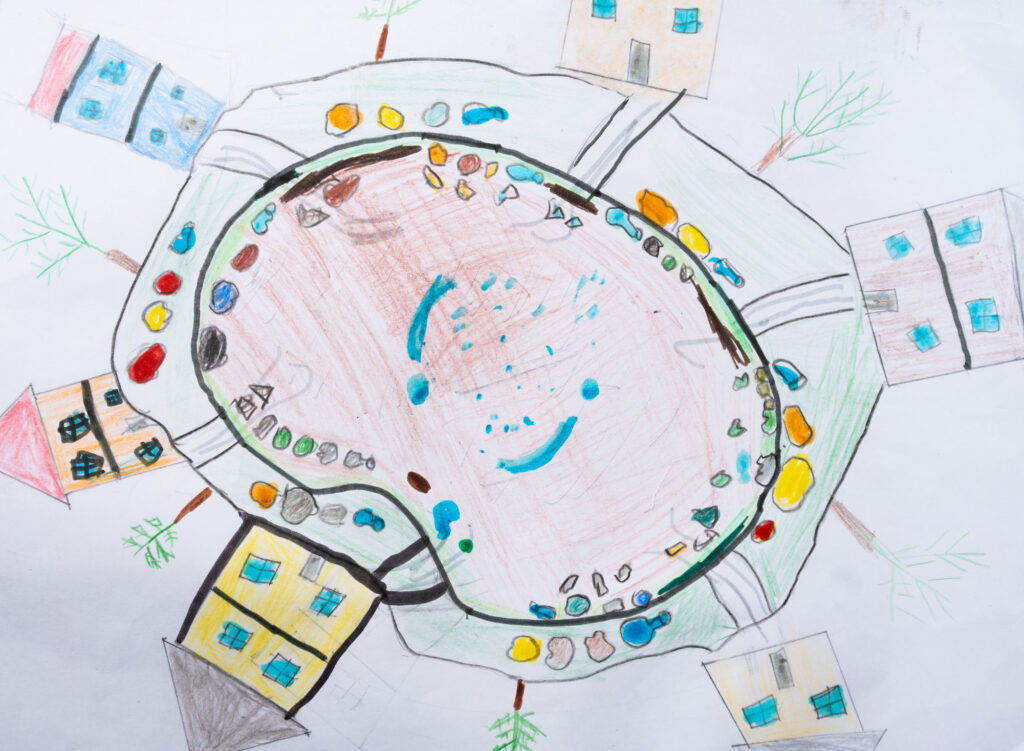
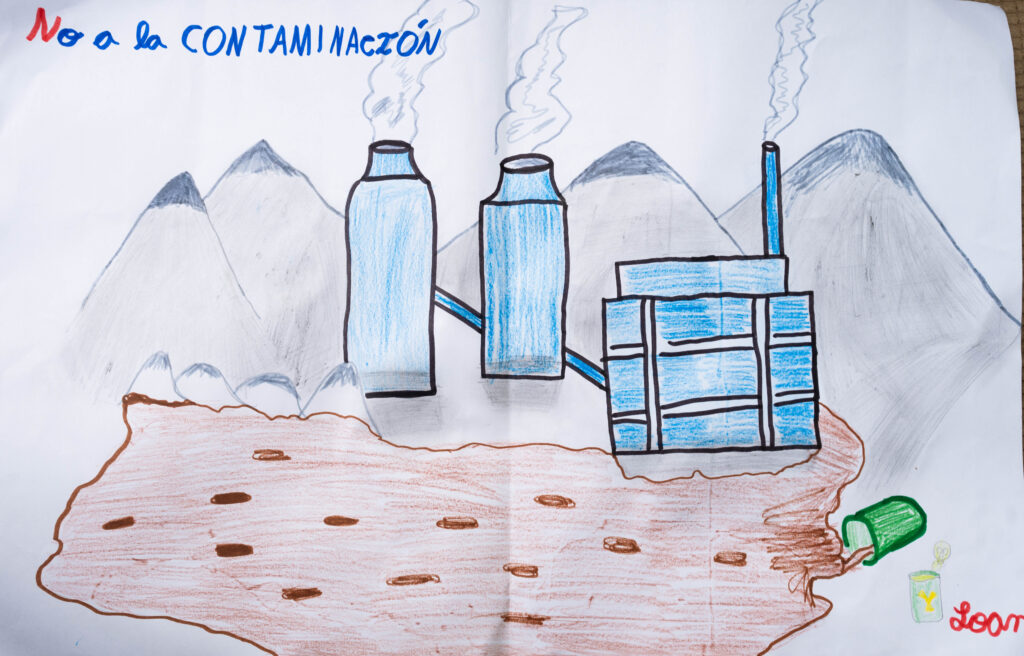
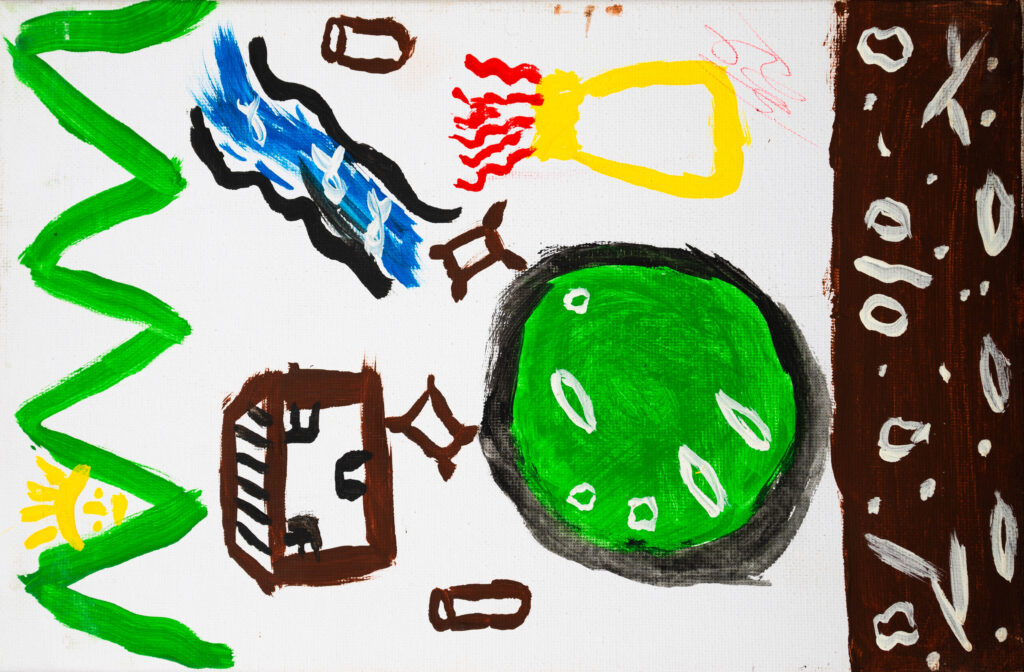
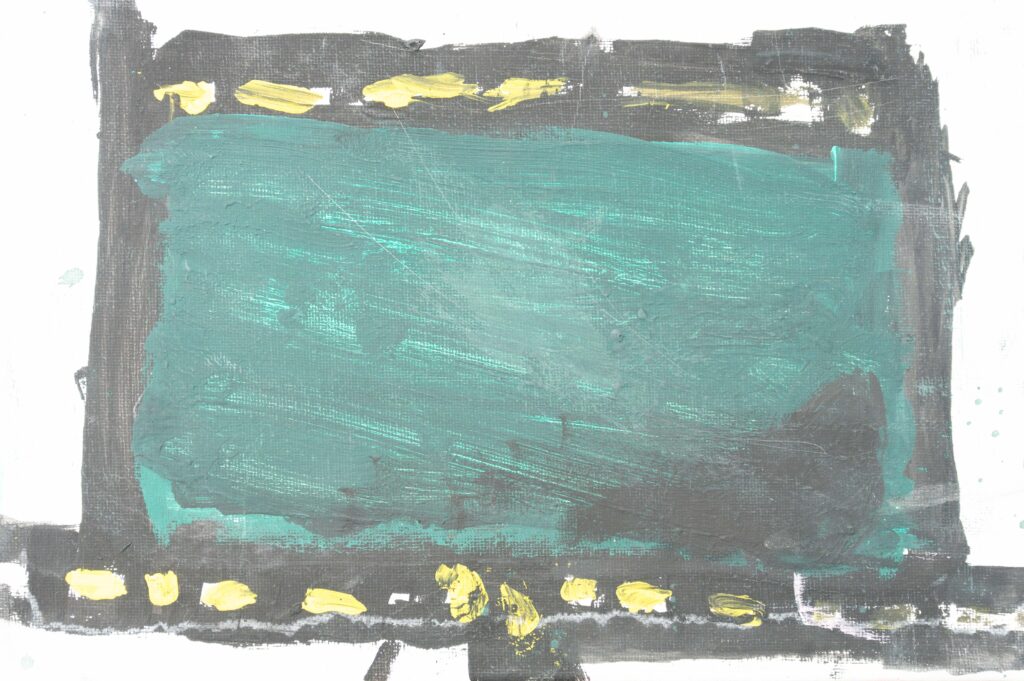
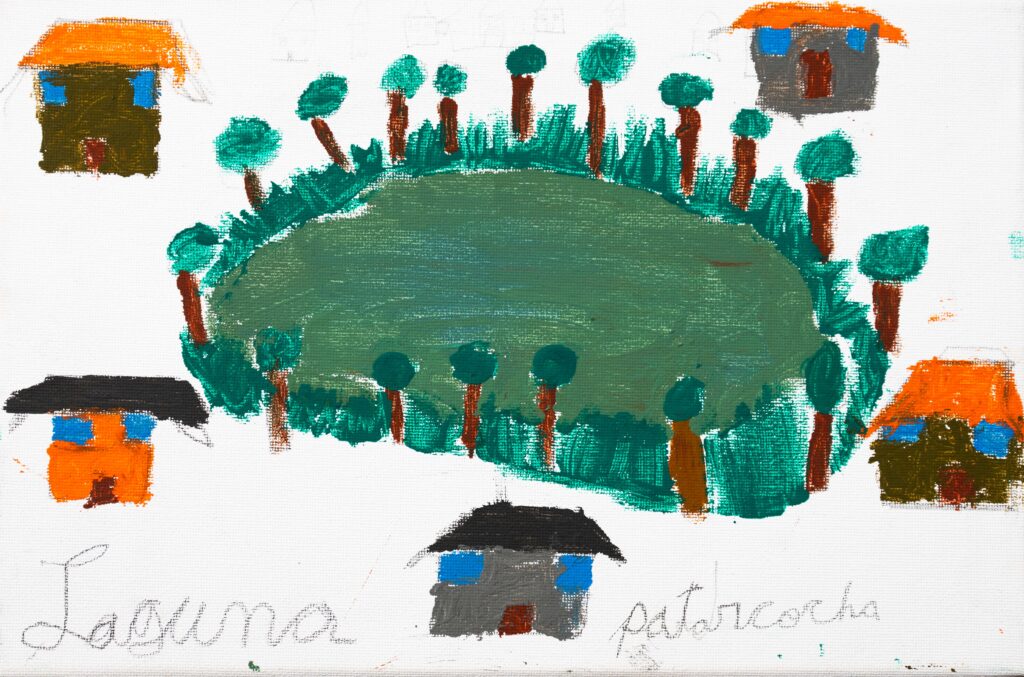
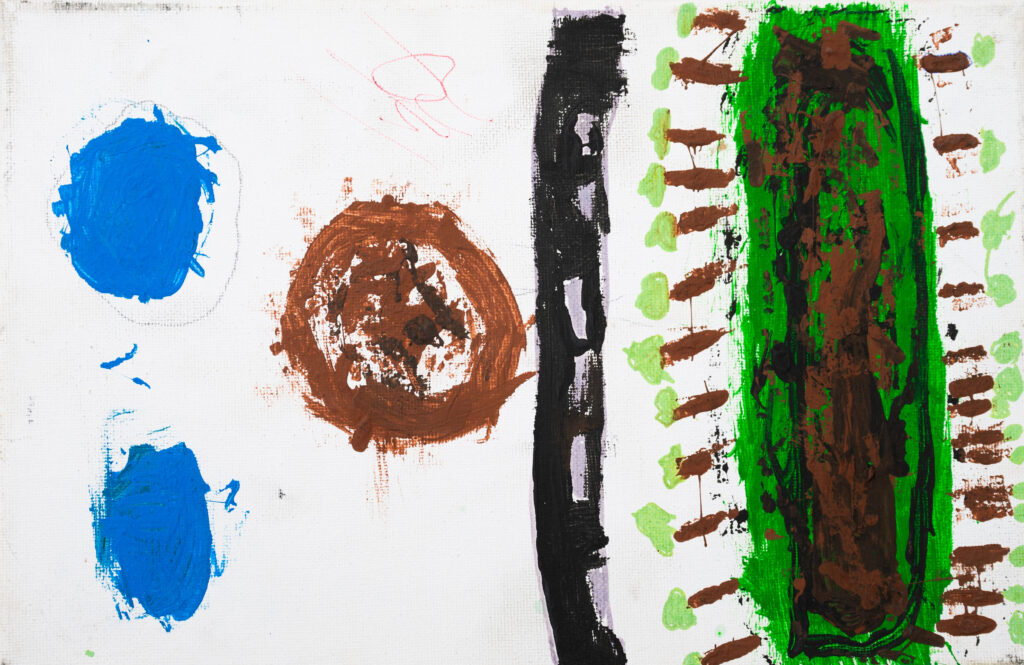
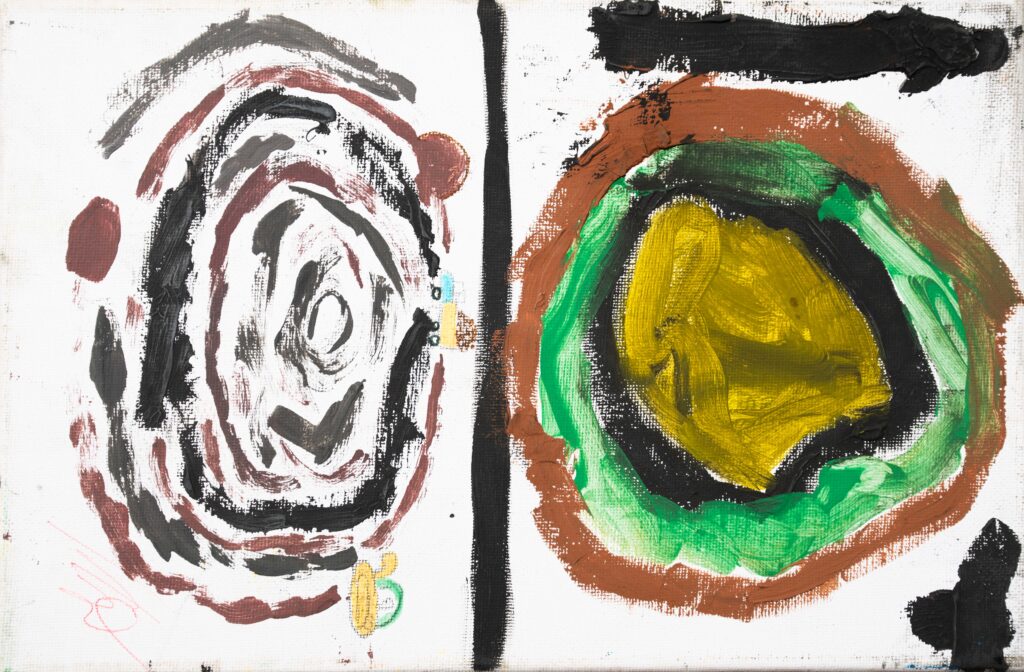
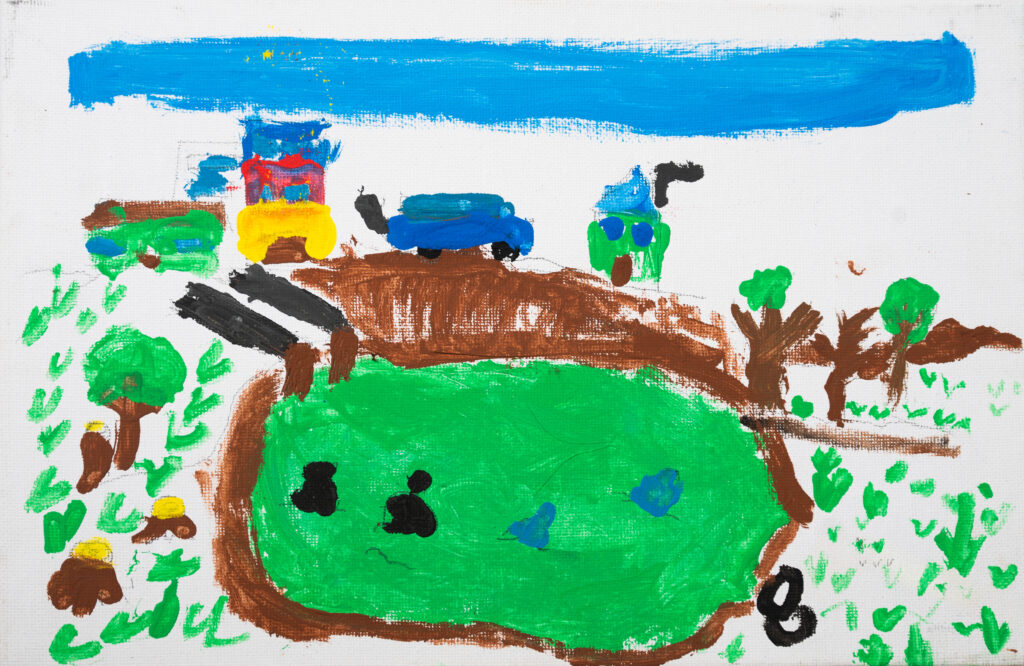
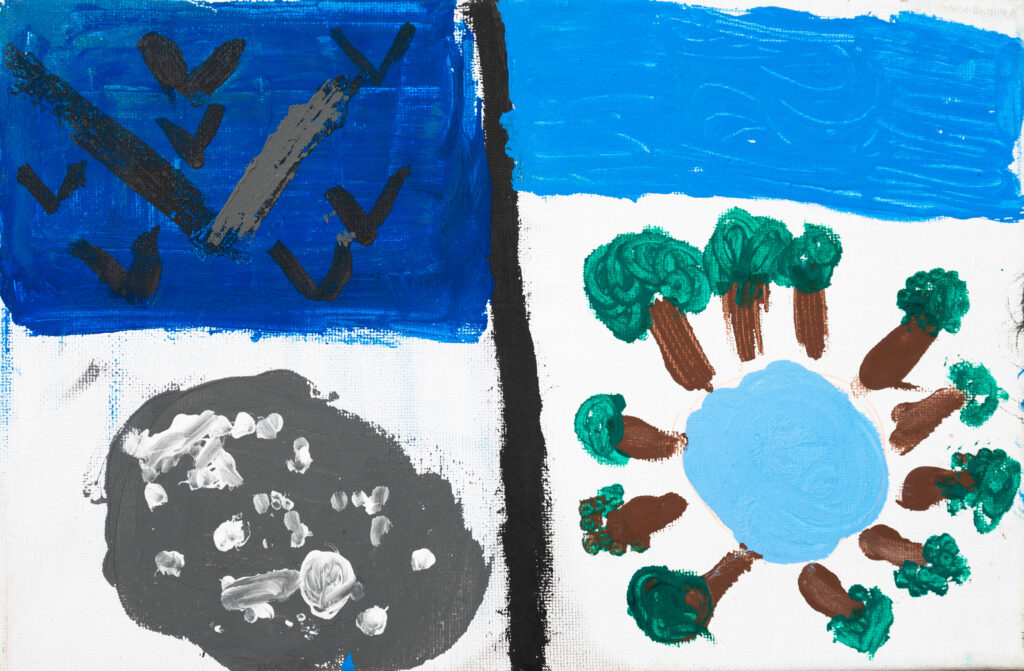
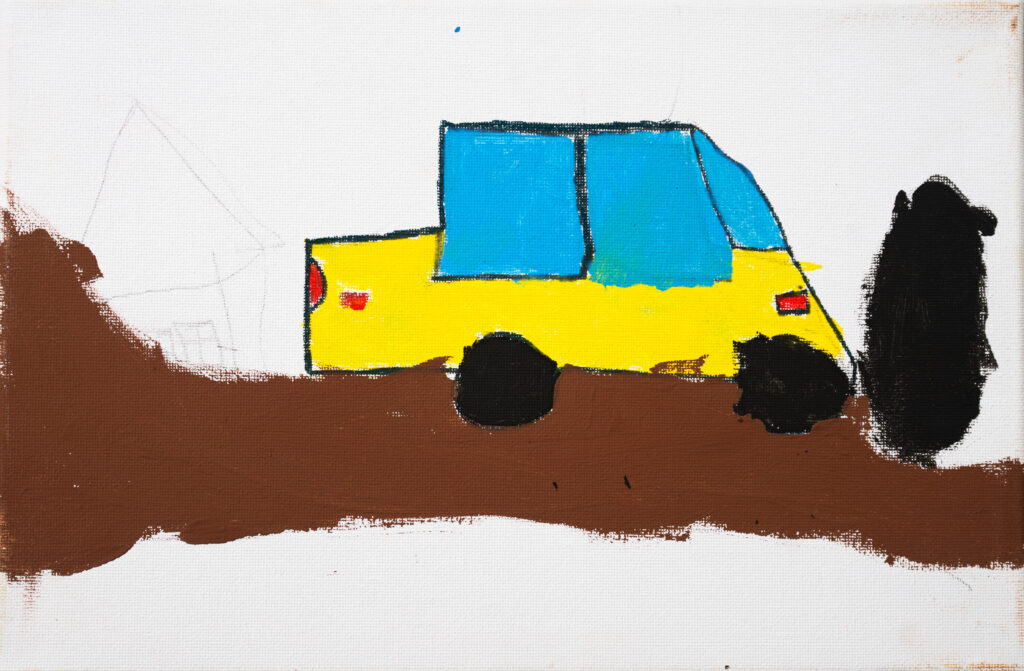
Así ven los niños y niñas a Cerro de Pasco
La maestra Sherly Falcón, pidió a sus alumnos que plasmaran en dibujos cómo ven y perciben la ciudad que habitan. Sus dibujos son una mirada honesta de lo que significa para las nuevas generaciones vivir en un entorno marcado por la actividad minera.