Chiang Mai, Thailand, February 13, 2026 — On January 27, 2026, Thailand’s National Human Rights Commission (NHRC) adopted a resolution stating that the Hongsa coal power plant and mine project in Lao PDR, which involves Thai private companies and investors, poses serious risks of cross-border impacts on the health and environment of people in Nan Province, Thailand. The Commission also noted human rights violations related to health and environmental safety.
The NHRC decision followed a complaint filed in June 2023 by the Extraterritorial Obligation Watch Coalition, or ETO Watch Coalition, and EarthRights International. The complaint outlined the concerns of communities living near the Hongsa coal power plant, documented by civil society organizations working with the Indigenous Lua communities in Nan Province, particularly mercury contamination, a major environmental pollutant.
The complaint also pointed out that the environmental impact assessment for the project involved no meaningful consultation with the affected communities and failed to assess any transboundary impacts.
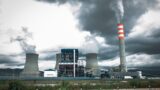
The Hongsa project is a 1,878-megawatt coal plant and associated mine located in Hongsa and Ngeun districts, Sayabuli Province, Lao PDR, near the Thai border. The plant began commercial operation in 2015 and although it complies with Lao environmental laws with pollution control systems, the NHRC said that pollutants released externally could still affect Nan Province, especially given evidence that airborne pollutants like acid gases and mercury can travel long distances by wind.
The NHRC concluded that the project’s operations have a very high risk of cross-border impacts on the health and environment of people in Nan Province. It also held that Thailand has extraterritorial human rights obligations because Thai companies are part of the investment, and the Electricity Generating Authority of Thailand (EGAT) purchases electricity and plays a role in plant operations, linking the Thai state’s responsibilities to preventing harm.
EarthRights International welcomes this result of the investigation and we will continue to monitor the implementation of recommendations.
“This is a win for the impacted communities. We will continue to monitor the project and whether all the recommendations are followed. We stand shoulder-to-shoulder with the Nan people and continue to seek justice,” said Wora Suk, EarthRights International Mekong Campaigns Director.
Main recommendations from the NHRC
To companies and Electricity Generating Authority of Thailand:
- Install continuous 24-hour monitoring of mercury and other pollutants and publish findings.
- Conduct human rights due diligence (HRDD) for the project, with transparent reporting and mechanisms for remedy, including reports in Thai, Lao, and English accessible to affected communities.
- Create communication channels in line with Thailand’s National Action Plan on Business & Human Rights to handle complaints and inform the public.
To Thai government agencies:
- Bank of Thailand: require commercial banks to adopt binding sustainable lending policies for high-risk projects.
- Securities and Exchange Commission: mandate detailed disclosures in sustainability reports about cross-border health and environmental risks.
- Ministry of Public Health: develop systematic surveillance for mercury-related illnesses and include such diseases in official occupational/environmental disease lists.
- Department of Rights Protection and Liberty, Ministry of Justice: accelerate planning for a national contact mechanism to handle business and human rights complaints.
Media Contact:
ETO Watch Coalition Coordinator, etowatch@gmail.com