
The fossil fuel industry is cashing in on the artificial intelligence (AI) data center boom by rolling out new infrastructure, increasing natural gas production, and slowrolling the shuttering of coal-fired power plants. What does this mean for the communities that host data centers?
| The Takeaways: Fossil fuel companies are taking advantage of the AI boom to build more pipelines, pump more gas, and slow the transition to green energies. AI data centers use enormous amounts of power and water, driving up costs for people living near them. 40% of data centers in the US are powered by gas, and more companies are using on-site generators that can be less efficient and more polluting than traditional power plants. Community opposition has forced the delay or cancellation of at least 20 data centers across 11 states in 2025. States, counties, and cities are looking at ways to make sure data centers are not built without proper consultation and review. Some local governments are putting moratoriums on data center construction altogether. In response, industries involved in AI data centers – including the fossil fuel industry – are lobbying for national laws and regulations that restrict local governments’ ability to block projects. |
Power-hungry and water-intensive data centers are popping up across the United States, with more than 3,000 planned data centers and over 4,000 already built as of late 2025. Many communities living near data centers have reported facing excessive noise and pollution, increased electricity costs, and less reliable sources of clean water.
With natural gas being the primary source of energy to power these centers, fossil fuel companies are taking full advantage of the AI boom to justify building new fossil fuel pipelines that might not otherwise be economically viable. Fossil fuel pipelines carry their own risks. An analysis from FracTracker found 165 reported incidents from gas distribution, transmission, and gathering lines in 2024, causing an estimated $66 million in damages and nine fatalities.
Why are data centers using so much power and water?
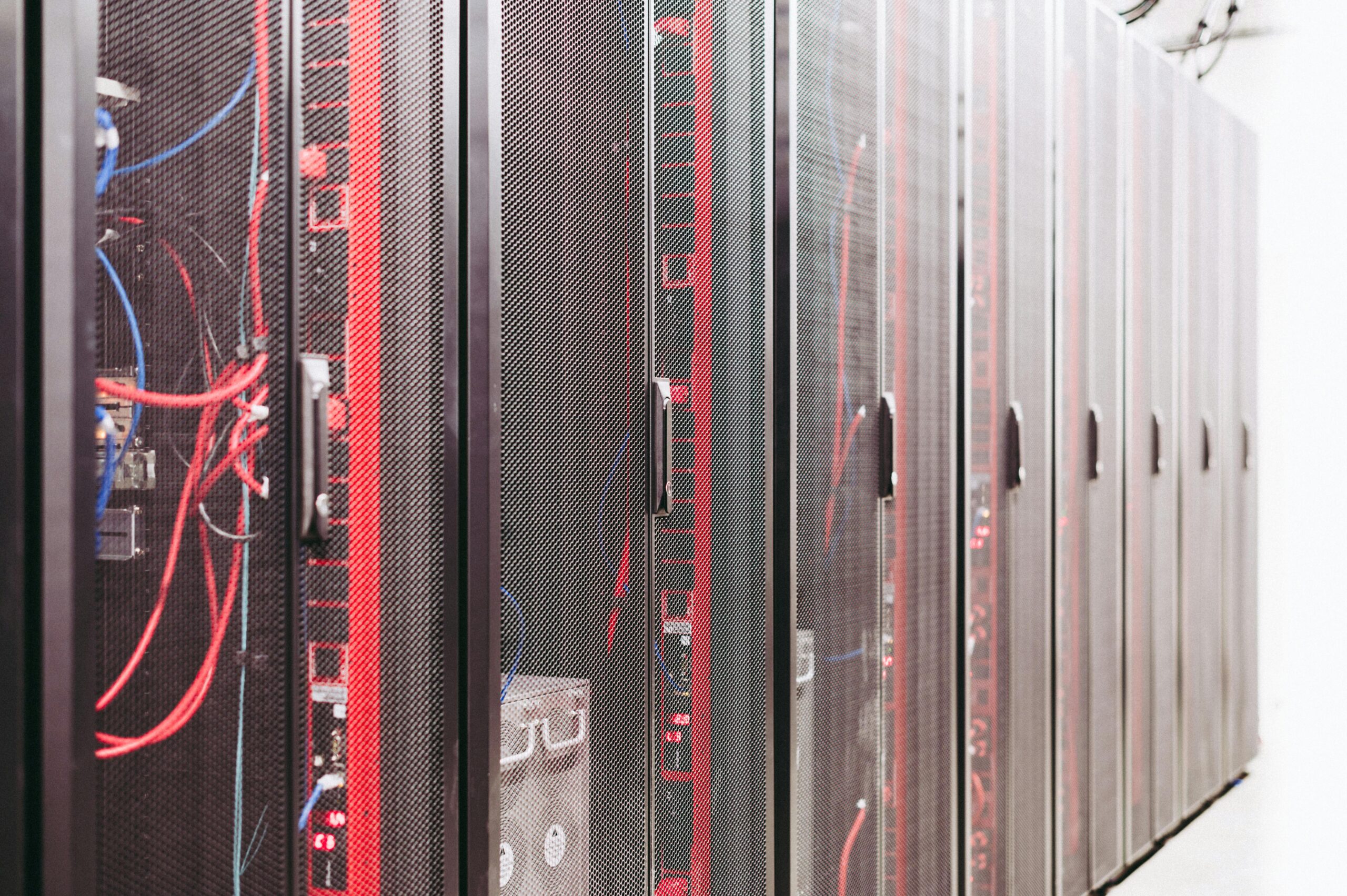
The modern internet exists on massive servers that are stored in data centers. These warehouses are full of computer processors that run day and night to keep digital infrastructure up: your emails, streaming services, and now, AI programs. AI is an energy-intensive technology, and the data centers that run it use more power and water than regular data centers. Data centers that store and train AI models run constantly and closer to their peak power usage than traditional data centers, and tend to be much larger than traditional data centers. These “hyperscale” AI data centers can span dozens of acres and use enough power and water to support small towns. The world’s biggest tech companies, like Google, Meta, and Amazon, are spending hundreds of billions of dollars every year to build out new infrastructure for their AI projects. By some estimates, total global data center investments will reach nearly $7 trillion by 2030.
Data centers in the US used 183 terawatt-hours (TWh) of electricity in 2024—4% of the country’s total consumption. By 2030, data center energy usage is expected to rise to 426TWh, anywhere from 9-17% of all projected power generation in the US. The power is used to keep the computer processors running and to keep them cool. Data centers connected to the electricity grid are straining available capacity and outbidding other users, which is causing a rise in residential electricity costs. The companies behind larger “hyperscale” data centers are even planning to build their own power plants to keep up with their energy needs.
Data centers also use massive amounts of water, both directly and indirectly, for cooling and power generation. According to a 2024 report from the Lawrence Berkeley National Laboratory, data centers in the US used 66 billion liters (17 billion gallons) of water and are projected to use nearly 39 to 66 billion gallons by 2028.
For this reason, many data centers are built near major watersheds or include plans to draw from reservoirs that communities rely on. In Tucson, Arizona, for example, developers of “Project Blue” intended to use an estimated 620 million gallons of water controlled by the city’s public utility annually, the equivalent yearly usage of around 22,350 Tucsonians, to cool data centers for Amazon Web Services. After a court battle in West Virginia, the state water authority released usage projections for Google’s proposed data center project of two million gallons a day, which would increase to eight million gallons a day if Google decides to expand. After a Meta data center was built in Georgia, Newton County now faces a water deficit by 2030.
Data Centers Are Fueling Demand for Fossil Fuels
For fossil fuel companies, the data center boom is a golden opportunity. Over 40% of data center power demands are met by natural gas. Gas producers benefit from increased domestic demand, which raises gas prices because tech companies with deep pockets are competing for gas supply. Pipeline builders have already invested billions into supplying natural gas to data centers. For example, the Williams Companies, based in Tulsa, Oklahoma, have already invested $5 billion into new pipeline projects to supply gas to data centers by building gas turbine plants directly on site that are connected to pipelines. Other companies like Enbridge, Kinder Morgan, and Energy Transfer all cite data center demand as a driver of new pipelines and contracts.
To keep up with power demands, some new data center projects are getting creative. Some have proposed on-site “behind-the-meter” gas generators that are attached to the data center. In 2025, nearly a third of planned or built gas power projects were on-site data centers generators. A bottleneck in gas turbine production and long wait times for electrical equipment has led to cancelled and delayed projects– with some developers using generators akin to car engines and even jet engines for supersonic aircraft.
Use of these alternative power generators can carry risks for vulnerable communities that are forced to host data centers. Portable turbines are less efficient and release more volatile organic compounds like nitrous oxide, which can cause health problems with continued exposure and is a potent greenhouse gas. To get around pollution laws like the Clean Air Act, developers are lobbying for exemptions from the Environmental Protection Agency to use highly polluting diesel and gasoline generators to power data centers. For example, Politico has reported on xAI’s data center in Memphis, Tennessee, which the Southern Environmental Law Center alleges is operating mobile turbines illegally. The majority black community of Boxtown is only three miles away from one of the area’s largest smog-producing emitters and reportedly faces increased rates of asthma as a result of the data center.
Meanwhile, coal-fired power plants that were scheduled to shut down have been kept in service to meet AI power demands as emission and pollutant reduction regulations have been delayed or rolled back. Coal also has serious health consequences, as exposure to coal pollution is linked to 460,000 deaths in the US from 1999 to 2020.
Oil and Gas Pipelines Often Bring Additional Environmental Risks
Many of the pipeline companies involved in the AI data center boom have a history of contaminating communities’ air, water, and land with toxic pollution. Energy Transfer—which has a track record of environmental violations and criminal convictions—signed an agreement with one of the largest proposed data centers in the US to supply natural gas to on-site power stations. Kinder Morgan, which also has a history of safety and environmental violations, has proposed building a new pipeline in the same area to meet some of the new data center demand.
Meanwhile, EQT Midstream, the owner of the controversial Mountain Valley Pipeline, is set to supply natural gas to the 4.4 gigawatt Homer City power plant in Pennsylvania, which will power hyperscale data center campuses. The Mountain Valley Pipeline has reportedly violated dozens of environmental safety regulations and would not have been built if legislation wasn’t passed specifically to force its construction.
Growing Opposition to Data Centers
While more recent reporting shows that nearly half of those planned constructions have been cancelled due to supply constraints, some communities are understandably nervous about data centers. Across the country, there is growing opposition to new projects. Between April and June 2025 alone, community opposition has blocked or delayed at least 20 proposed data centers across 11 states. The above-mentioned “Project Blue” in Tucson was defeated after a sustained community effort to educate the city council and oppose developer efforts. In Monterey Park, California, a proposed data center project was stopped, and the city is considering a moratorium on data centers that other counties, municipalities and even states across the US have begun to adopt. Several states have proposed laws to charge data centers more for the power that they use so regular customers are not left paying the bill.
Community groups have made an impact through consistent campaigning against data center developers, pressure on elected officials, and public education on the harmful impacts of data centers. Data Center Watch estimates that over 150 grassroots groups emerged in opposition to data center projects. In the case of “Project Blue,” a city council member noted they learned more about the project from the community than the developers.
In response, data center developers—with support from the fossil fuel industry—are trying to strip local governments of their rights to withhold permits for problematic projects and to challenge projects in court. Big tech companies like Amazon and Meta have reportedly spent millions on advertising campaigns and federal lobbying. Joining them are utilities companies and their industry associations: the Edison Electric Institute, an industry group representing investor-owned utility companies, spent $2.3 million on lobbying, including for “data centers generally.” Dominion Energy, which provides electricity to Data Center Alley in Virginia, the densest data center hub in the world, spent $2.4 million on lobbying Congress in 2025 alone. A recently introduced bill in Congress would seriously limit any legal challenges to data centers and any associated infrastructure, including natural gas pipelines, and prevent courts from halting construction or reviewing permits. At the state level, West Virginia passed a bill in 2025 exempting data centers from Freedom of Information Act requests and preventing local governments from enforcing data center laws. In Louisiana, officials are signing non-disclosure agreements with data center developers that prevent them from sharing information with concerned communities.
Without more careful oversight and regulation, more communities around the United States could become sacrifice zones for the emerging AI economy. Given its extensive track record of environmental violations and willingness to deceive communities to push forward with its projects, the fossil fuel industry’s involvement in these projects should be a big warning sign of the long-term health, environmental, and human rights consequences to come if data center development is left unchecked.
Around the country, communities of color are facing the brunt of corporate abuse, environmental harm, and human rights concerns. This is true for many communities experiencing the surge of AI data center projects in addition to long-standing issues caused by government neglect and corporate human rights abuses. EarthRights works alongside impacted communities, like in Brunswick County, North Carolina, where Black communities have been fighting for clean water access for over 20 years. Learn more.