SUMMARY
This case challenges the failure of the New Mexico oil and gas regulator to hold operators accountable for timely cleanup and decommissioning of oil and gas wells and extraction sites, and the regulator’s improper use of public funds to subsidize cleanup costs that should be paid by the oil and gas operators. The case is brought by groups alleging these failures allow thousands of inactive wells to sit unplugged past the legal deadline for cleanup, in violation of New Mexico law, at risk of emitting climate-altering methane into the air, contaminating water and polluting land, and posing serious threats to health and human safety.
Under New Mexico law, oil and gas operators have a duty to promptly and properly plug, abandon, restore, and remediate their wells and surrounding lands after production ends. To ensure these obligations are upheld, the New Mexico Oil and Gas Act separately tasks the State’s Oil Conservation Division with the duty to enforce these obligations and ensure cleanup is done at the expense of operators.
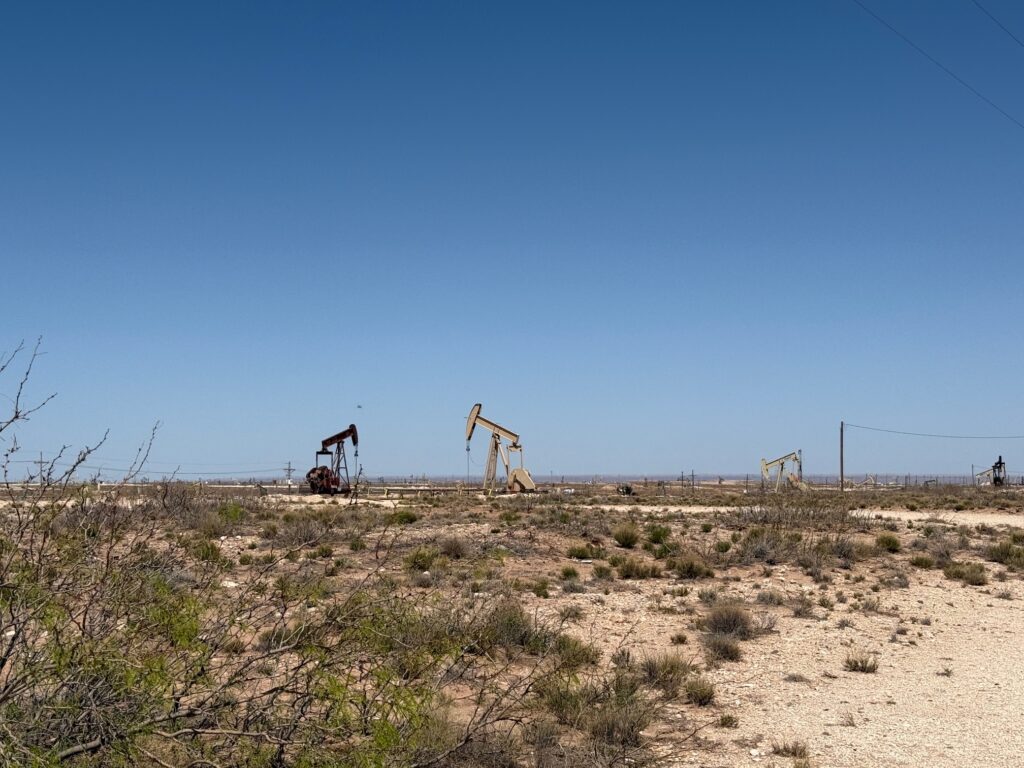
The lawsuit alleges that Division data, and documents received through public records requests, reveal widespread violations by oil and gas operators, with little meaningful action taken by the State to actually hold them accountable. Hundreds of operators—more than half the operators in New Mexico—are in violation of cleanup duties. Thousands of wells currently sit inactive and unplugged, past the legal deadline for cleanup.
Failure to take timely enforcement action prolongs the time such wells are left unplugged, substantially increasing the risk of pollution and other harms from such wells, as well as the risk that such wells will ultimately be “orphaned” by operators and become the responsibility of the State, and ultimately the public. When that happens, it can be many more years, or even decades, before such wells are plugged by the State, and even longer until the site is fully restored and remediated.
The law also requires the Division to secure financial assurance—essentially money set aside to be accessed by the State to plug and remediate wells if operators are unable or unwilling to do so themselves. The lawsuit alleges that the Division frequently fails to secure such financial assurance. And despite the clear duty to collect such funds when operators default on their plugging duties, responses to public records requests indicate that the Division has only done so once in nearly a decade, despite plugging hundreds of wells using public funds over the same period.
The plaintiffs further allege that the State defendants unlawfully use public funds to subsidize cleanup and otherwise fail to take action to recoup public funds expended on cleanup from operators.
The lawsuit seeks a declaration that the defendants are violating their duties under the Oil and Gas Act, and injunctive relief to enforce the law and hold operators accountable for cleanup.
EarthRights serves as co-counsel with and represents the Center for Biological Diversity in this matter.
First, the state defendants fail to carry out their legal duty to timely enforce well plugging obligations. There are thousands of inactive unplugged wells that are past the legal deadline for plugging and cleanup, and 60% of operators in the State are currently in violation of New Mexico law. Despite this, the State has taken little meaningful action to enforce the law and hold operators accountable for plugging and cleanup at their expense.
Second, the Division is also responsible for securing cleanup commitments with financial guarantees—known as financial assurance—conditioned on proper cleanup, before operators can conduct business in the State. This money is meant to be set aside for the State to access if an operator is unwilling or unable to carry out cleanup. The Oil and Gas Act further requires that the Division secure additional financial assurance for the highest risk wells, those that have been inactive longer than two years. Yet Division records show it frequently fails to secure such financial assurance.
Third, the Division has a legal duty to forfeit and collect the financial assurance from operators that default on their duties and to deposit those funds into the Reclamation Fund to be used to carry out cleanup of such wells. But documents received through open records requests in 2025 indicated the Division has only actually collected such funds once in nearly a decade, despite spending tens of millions of dollars of public funds on plugging the wells of operators who fail to do so.
Finally, the lawsuit alleges that the state defendants routinely improperly use public funds from the State’s Reclamation Fund to plug the wells of operators who could still be held accountable for cleanup and that they fail to take action to recover and recoup plugging costs to deposit into the Reclamation Fund. By doing so, the state defendants unlawfully use public funds to subsidize cleanup that should be carried out by, and at the expense of, the operators that profit off of the state’s natural resources, contrary to the intent of the statute.
Unplugged wells routinely emit toxic pollutants long after they stop producing oil and gas. The longer a well is left inactive and unplugged, the greater the opportunity for pollution, as wells that are already leaking will produce more pollution, and others will eventually leak as the infrastructure is left to deteriorate. These wells harm human health, pose unacceptable public safety risks, release methane into the atmosphere that contributes to climate alteration, and pollute the air, water, and land, harming the plaintiffs, their members, and New Mexico.
Proper plugging and remediation is essential to prevent waste and protect the environment and human health and safety. But it is well known that operators frequently delay and evade cleanup duties as long as possible. Without prompt enforcement, operators have ample time to put funds that should be earmarked for cleanup to alternative use and to offload depleted wells to smaller and smaller operators that are less equipped to carry out proper cleanup and at high risk of insolvency and bankruptcy—sometimes by design. The State itself has referred to this practice as “pass[ing] the buck.”
The longer wells sit inactive, the less likely it is that a well will be plugged and cleanup undertaken at the operator’s expense, becoming the responsibility of the State (or federal government), and ultimately the public. When wells are “orphaned,” it can be many more years or even decades before such wells are ultimately plugged by the State, and even longer until the site is fully remediated.
The State has already had to expend substantial public funds—including tens of millions of dollars in federal taxpayer funds—to plug wells. There is a backlog of nearly 1,000 such wells the State has already taken on responsibility to plug that will cost hundreds of millions more and take over a decade to address. A recent report by the New Mexico Legislative Finance Committee estimates that near-future liabilities could exceed $1.5 billion. With tens of thousands more marginal wells set to come due for cleanup soon, these costs could balloon further if the State does not take enforcement seriously.