- Globalized Afro-descendents Climate Justice Collaborative (GADCJC) spearheads the continued push to recognize Peoples of African Descent as a formal constituency at COP31.
- Climate Resilience and Environmental Justice (CREJ) Legal Fellow, Alexis Yeboah-Kodie, is an individual member of GADCJC.
- CREJ’s work with Black freedmen communities in Mossville, Louisiana, and North Carolina highlights how People of African Descent are disproportionately affected by climate issues and environmental racism.
- The Mossville and North Carolina communities recognize their connection to the international plight of Peoples of African descent.
During COP31, Peoples of African Descent continued their international mobilization to be recognized within the United Nations Framework Convention on Climate Change (UNFCCC) processes as a formal constituency. On an international level, Peoples of African Descent are often pigeonholed into narratives focusing on racialized violence, unjust killings by police and vigilantes, and imprisonment. But Anti-Black racism manifests in many ways. Peoples of African Descent are on the frontlines of the climate crisis, the fencelines of major industrial polluters, and are sacrificed by settler colonial projects globally. This is why the Globalized Afro-descendents Climate Justice Collaborative (GADCJC), which has stewarded the fight for People of African Descent to be recognized within UNFCCC, highlights this contradiction in their press release on their stewardship of this initiative:
“We don’t want to be recognized merely as populations affected by the climate crisis. We want to participate in the decisions that define the responses to this crisis. We have knowledge, experiences, and contributions that are fundamental to building climate solutions,” says Celine Isimbi, regional anchor of GADCJC.
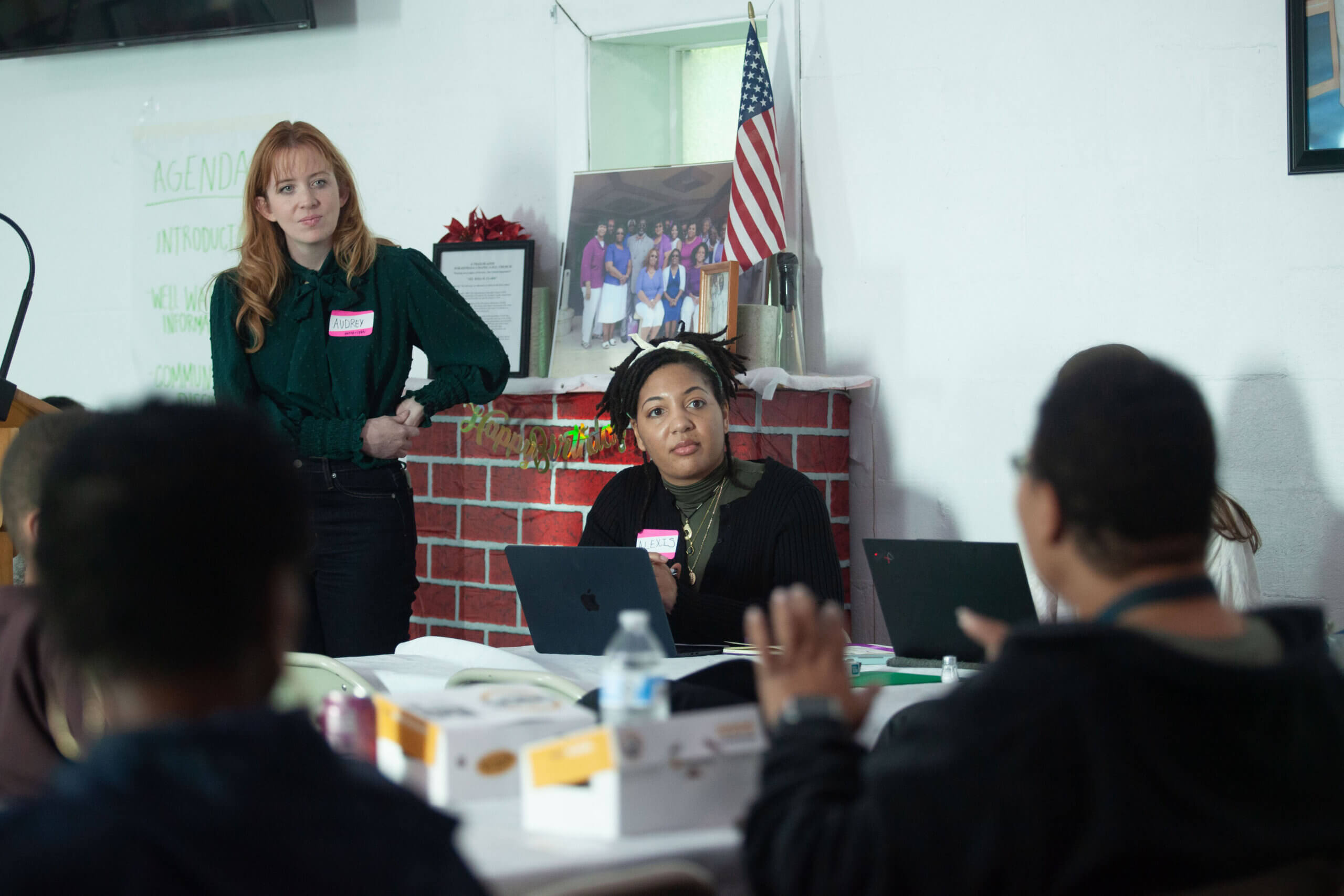
The Climate Resilience and Environmental Justice (CREJ) project with our North Carolina and SouthWest Louisiana community partners are actualizing Celine’s words. Last week, concurrent with GADCJC’s COP31 advocacy, members of historic Black communities affected by Chemours’ pollution of the Cape Fear River in Brunswick County, North Carolina and by increased flooding due to climate change tested their private wells to understand what is in their well water. Similarly, over the summer, the members of the Mossville community in Louisiana conducted their own health survey to understand the impacts of being surrounded by at least 14 industrial facilities. Both communities have been advocating for decades to protect and defend their livelihoods, ancestral lands, and culture. Both communities are unincorporated and have been systematically excluded from decision-making that affects their wellbeing. Both communities continue to empower themselves with the information necessary to affect change. Recognizing Peoples of African Descent can offer another platform for communities like Mossville and Brunswick County to leverage against the actors who violate their human rights.
The historic Black communities in the U.S. CREJ works with and those like them already recognize their connection to the global plight of Peoples of African Descent. Mossville and the historic Black communities in Brunswick County exemplify how People of African Descent are denied human rights: they are denied the right to water, denied the right to participate in governance, denied recognition of the value of their heritages, and denied healthy environments. They also exemplify how People of African Descent are already attempting to have their voices heard at the international level.
The people of Mossville have utilized Business and Human Rights mechanisms to highlight the impacts caused by South African apartheid fossil fuel giant, Sasol, and have attempted to confront them on their home turf in South Africa. While these efforts brought visibility to the impacts Sasol has had on the community, the company continues to have a significant local footprint.
In Brunswick County, historic Black communities contributed to the report for the Special Rapporteur on toxics and human rights, submitted information for the U.S.’s Universal Periodic Review regarding environmental racism and drinking water justice, and contributed to the 2023 International Covenant on Civil and Political Rights shadow report on drinking water access and affordability. Yet, the County refuses to address their lack of access to clean safe drinking water. Even after they received a $90 million settlement from Chemours for polluting the Cape Fear River.
It is not enough for UN mechanisms to recognize People of African Descent as “victims” of climate change. People of African Descent deserve decision making power at the local level, the national level, and the international level.
Even though COP31 ended with no deal, GADCJC made some headway on the journey to formal recognition. Between now and the “COP of Hope” in 2027, the work of People of African Descent continues at every level across the world to demonstrate we have the solutions to a more sustainable and liberated future.