

The LEAD approach requires developing trust with frontline communities to understand their perspectives, opinions, and concerns. The LEAD core values are a pathway to building that trust. When that trust exists, the LEAD strategies mobilize the power and knowledge that communities already possess and give them tools to defend their rights.
LEAD Core Values
- Putting community members at the center. The LEAD approach does not push a specific agenda. LEAD practitioners are allies, not leaders, who support frontline communities, not make decisions for them.
- Using existing structures and promoting participation. LEAD builds on communities’ traditional knowledge and decision-making processes while also facilitating the participation of marginalized groups.
- Committing long-term. Support continues until community members are able to take the lead independently and work toward that goal.
- Prioritizing community safety, security, and well-being. LEAD recognizes that frontline community members risk reprisal when they defend their rights, and it takes steps to help them stay safe.
- Transparency and expectation management. Support includes discussing the time commitment and work required to do the various LEAD activities, the potential of each approach, and its limitations, including that there is no guarantee of a particular outcome.
Building Trust
The LEAD approach requires that all community members can participate fully and make decisions collectively. This requires spending time in and getting to know the community. It also requires thinking through potential challenges with the community as you consider different LEAD activities.
- Time and costs. The LEAD activities will require community members’ time, with activities such as community monitoring that can take several years. The work can also involve some costs, such as for supplies or equipment. You will need to discuss the potential time and costs involved, so the community knows and can strategize ways to keep momentum and avoid disappointment if there are delays.
- Disagreement within communities. Community members may have different ideas, concerns, and preferences. It is important to make sure that everyone has the opportunity to share their position and feel heard. This may help avoid internal divisions that can sap the community’s strength and threaten the goals they want to achieve.
- Inclusion. Everyone should be able to participate in LEAD activities if they want to do so. You can prepare for this by budgeting for time and costs to hold multiple meetings so people from marginalized groups can participate fully.
Resources on Security
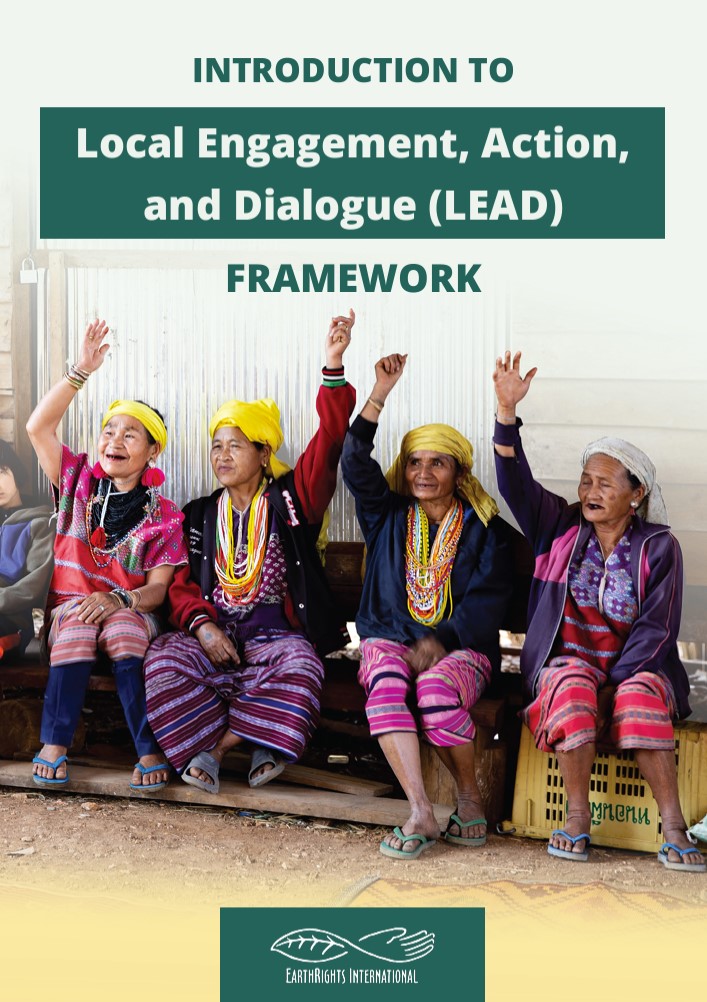
Introduction to Local Engagement, Action, and Dialogue (LEAD) Framework
An overview of the LEAD approach and how to get started.
Published by: EarthRights, 2024
Available in: English, Burmese, Khmer, Lao, Thai, and Vietnamese
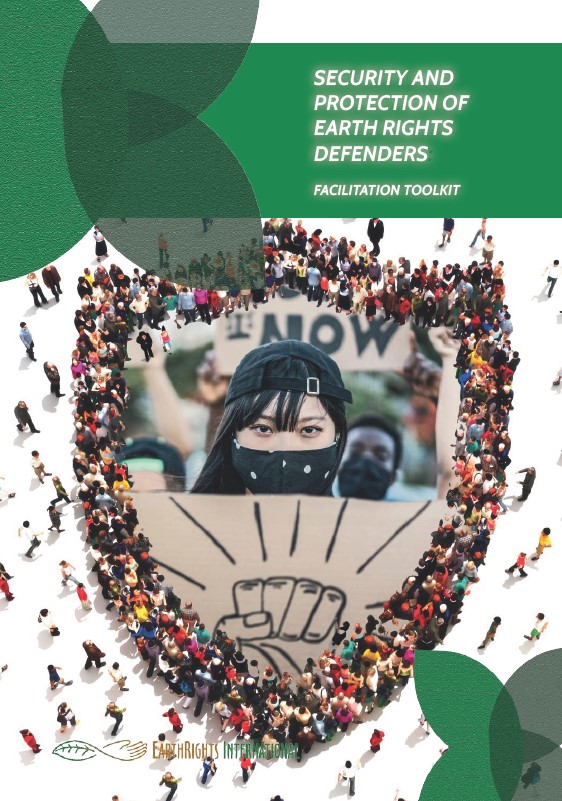
Security and Protection of Earth Rights Defenders: Facilitation Toolkit
Toolkit on building awareness, understanding, and capacity for security and protection for individuals, communities, and organizations working to defend their communities, land, and environment in the Greater Mekong subregion.
Published by: EarthRights, 2022
Available in: English and Thai
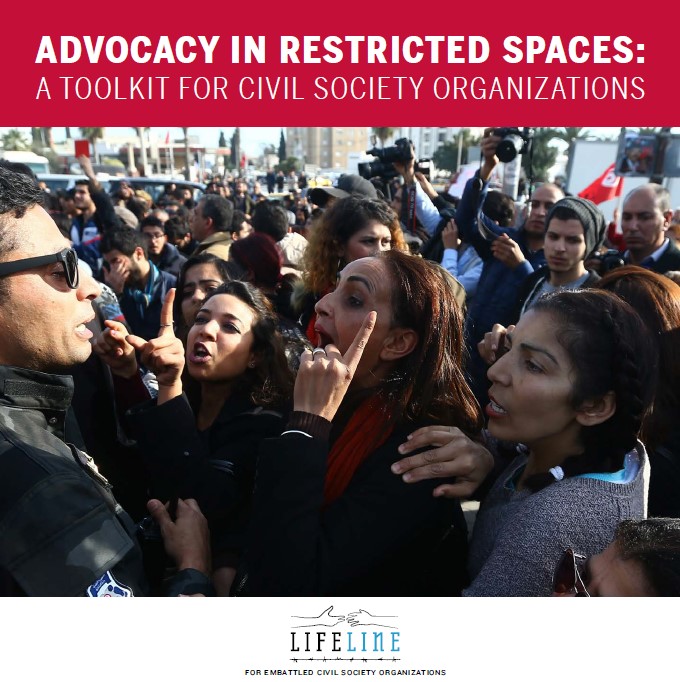
Advocacy in Restricted Spaces: A Toolkit for CSOs
Toolkit on various tactics for advocacy in a restrictive context.
Published by: Lifeline Fund for Embattled CSOs, 2020
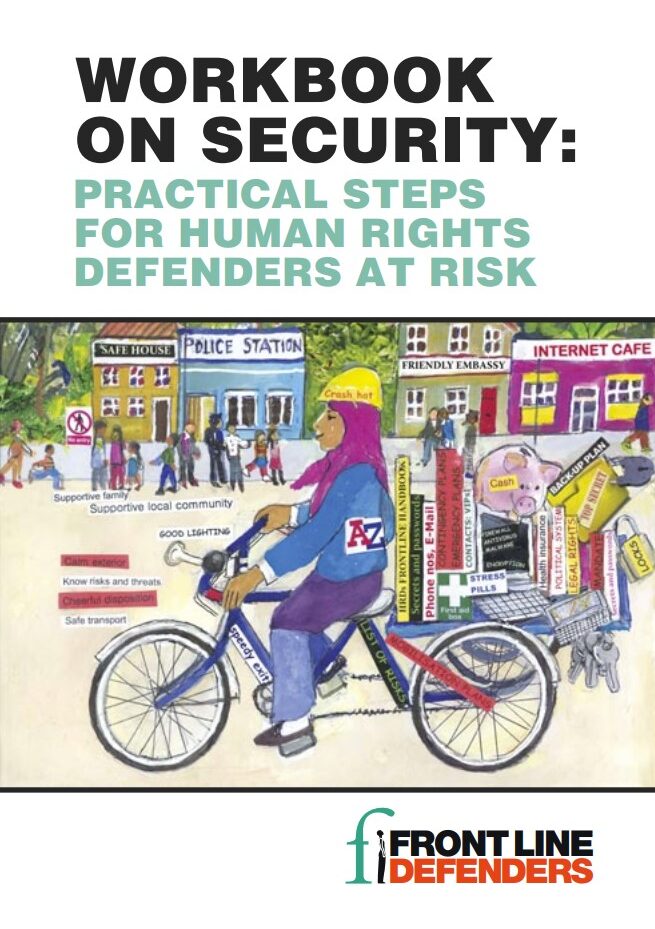
Security and Protection of Earth Rights Defenders Facilitation Toolkit
A systematic approach for assessing security and developing risk reduction strategies and tactics.
Published by: Front Line, 2011
Surveillance Self-Defense: Tips, Tools, and How-Tos for Safer Online Communications
Web resources on how to avoid online surveillance, install secure applications, and address specific security scenarios.
Published by: Electronic Frontier Foundation
Available in: English, Thai, and Vietnamese
Routes to Remedy
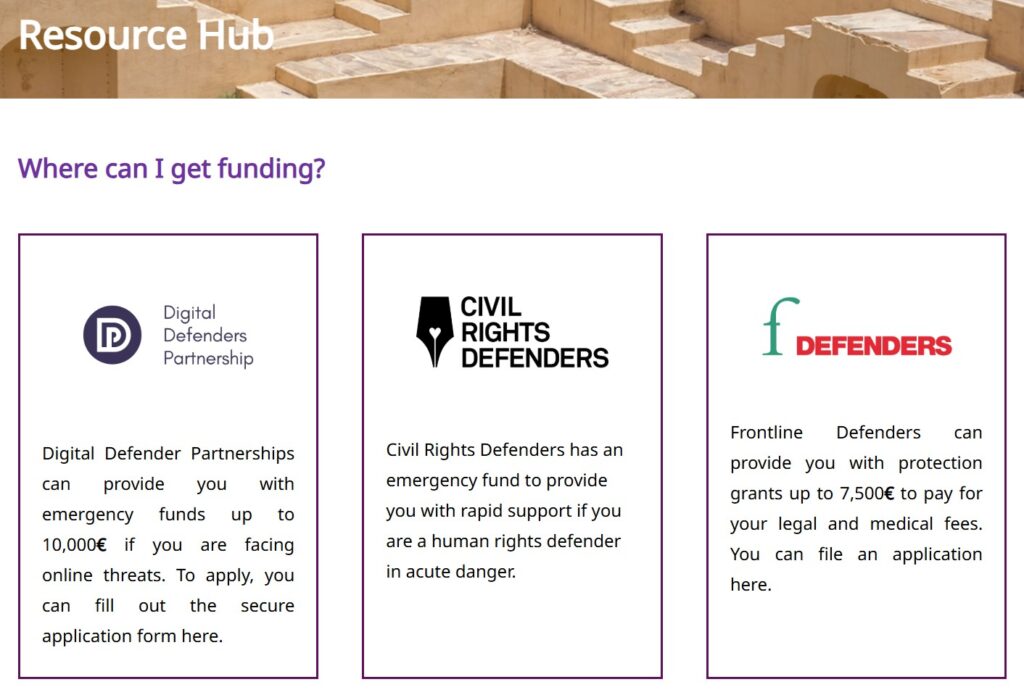
Web resources with links to emergency support, legal assistance, and security resources for human rights defenders at risk
Published by: Routes to Remedy