
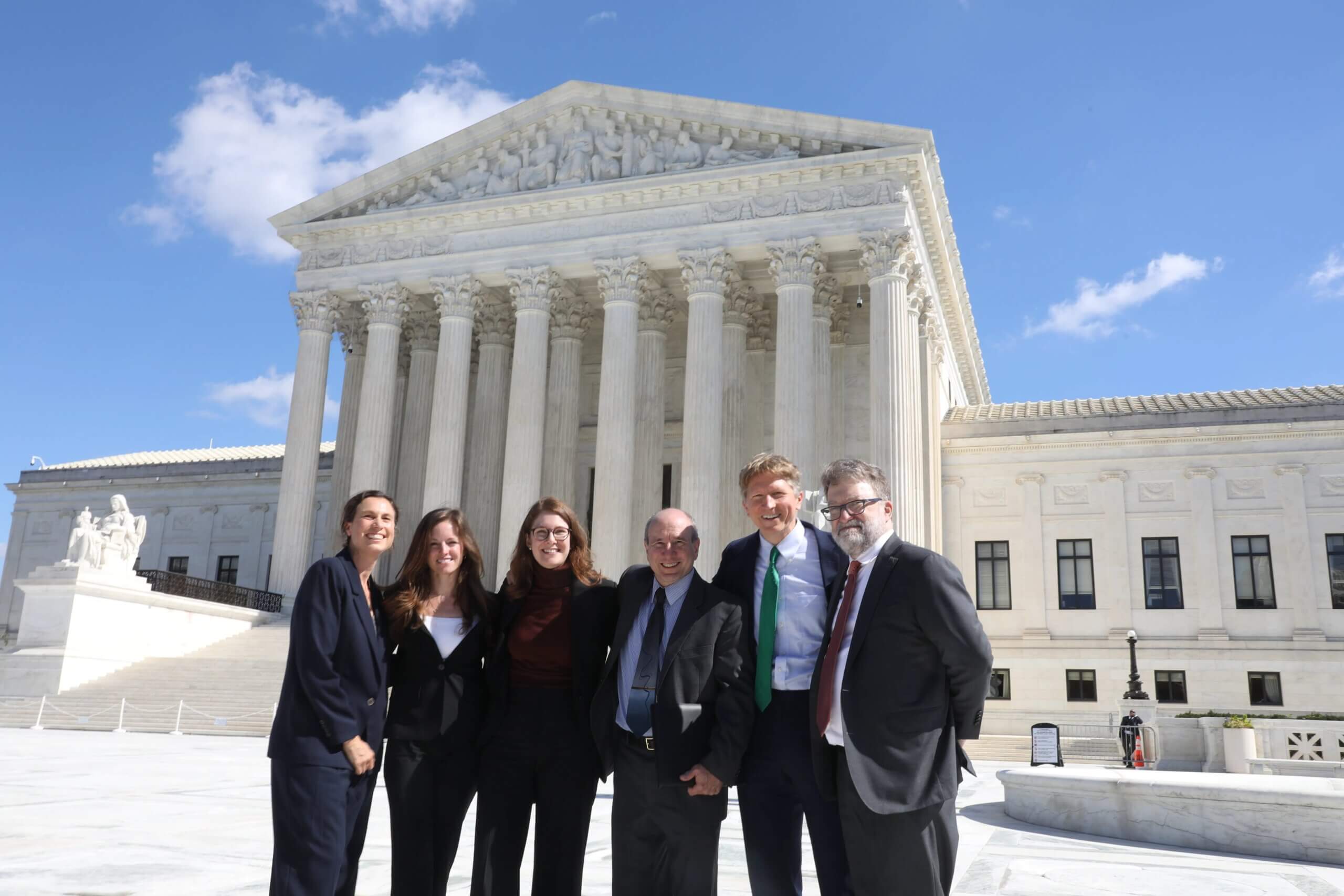
Boulder Argues SCOTUS Should Allow Case Against ExxonMobil and Suncor To Continue
Washington, D.C., October 5, 2026 – Today, the U.S. Supreme Court heard oral arguments in the City of Boulder and Boulder County’s lawsuit against ExxonMobil and Suncor Energy. The lawsuit seeks to hold the oil companies responsible under state law for harms to Boulder resulting from the companies knowingly contributing to climate change while concealing the dangers of their products. The plaintiffs argued that the case should be allowed to move forward, and that the Court should reject Exxon’s argument that the company is immune from Boulder’s lawsuit.
Boulder County Remarks
Ashley Stolzmann, County Commissioner, Boulder County
I am Boulder County Commissioner Ashley Stolzmann. I am honored to be here with my colleagues, Commissioners Marta Loachamin and Claire Levy, who will also provide remarks today.
For more than eight years, the City of Boulder and Boulder County have sought something very basic: the opportunity to have our concerns heard.
Today, we urged the Supreme Court to allow our case to continue.
Here’s why. We are seeking one thing — for the defendants to pay their fair share for the harms they have caused to the people of Boulder County.
Boulder County and the City of Boulder’s case seeks to hold the oil companies responsible. Responsible for knowingly contributing to climate alteration while concealing the dangers of their products.
______
Marta Loachamin, County Commissioner, Boulder County
Come to Boulder County, and you will see that climate change is no abstract threat.
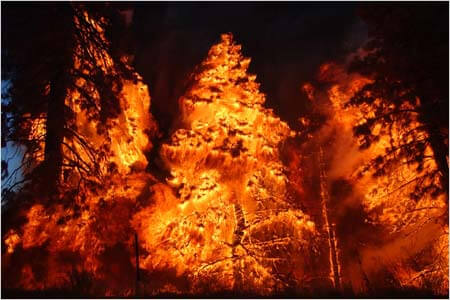
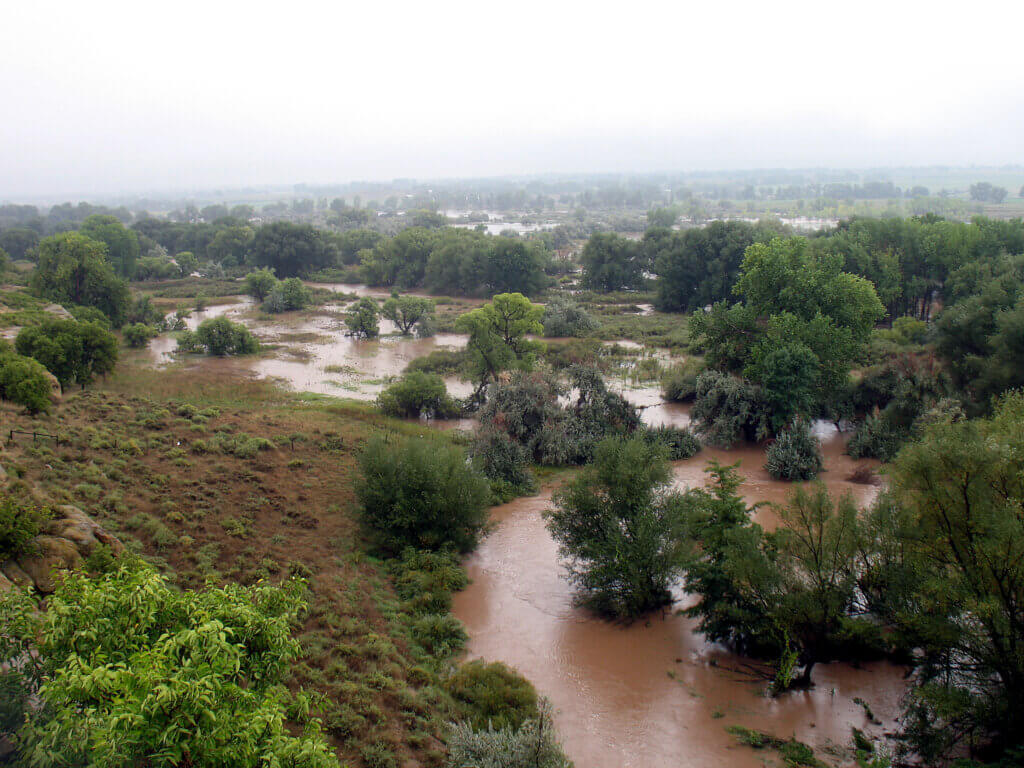
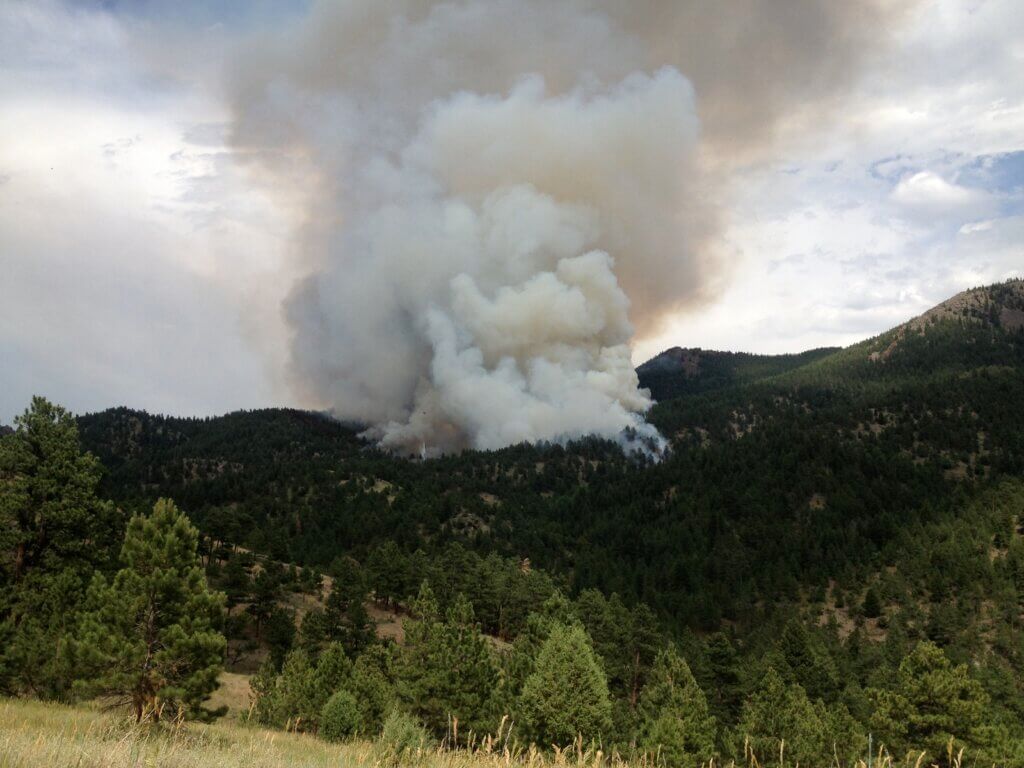
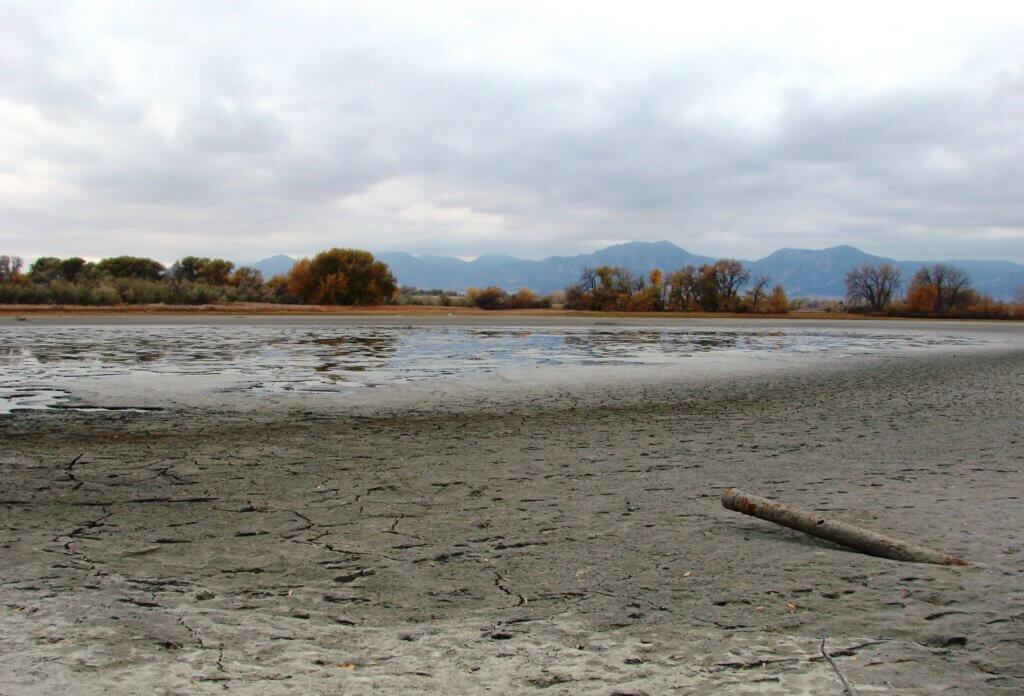
Our community has already seen trends that are representative of current and future climate impacts. This includes worsening air quality, destructive wildfires, dangerous heat, historic flooding, and prolonged drought. Roads and bridges washed away. Homes and communities burned down.
And the impacts go beyond physical. They leave social and emotional scars. For the families forced to evacuate with only minutes’ notice. For workers whose livelihoods are interrupted. For the parents compelled to reassure worried children. And for the public servants working around the clock to restore essential services.
The costs are projected to climb higher for our families and our taxpayers. Faced with these rising costs, we ask, is it fair for communities to shoulder these costs alone? We believe it is not.
For decades, the companies producing and selling fossil fuels knew that their products contribute to a changing climate. These companies are asking the Court to help them evade responsibility.
This case is not about asking the courts to solve or even mitigate the effects of climate change. It is, simply, about fairness and trying to survive.
______
Claire Levy, County Commissioner, Boulder County
We believe we should have a fair opportunity to present the facts and allow a local court to determine whether the defendants have harmed Boulder County. And if so, whether they should be required to pay their fair share of the damage. We urge the Supreme Court to allow our case to continue.
No matter the outcome, the City of Boulder and Boulder County will continue to do our part. We will continue to prepare, to adapt, to reduce our emissions, and to invest in a safer and more resilient future. Because that’s our job as local government – to create safe and livable communities for our taxpayers.
I’d like to thank our community and our dedicated staff and attorneys who have worked on bringing us to this historic moment.
Thank you.
Now I will invite my friend from the City of Boulder, Nuria Rivera Vandermyde.
City of Boulder Remarks
Nuria Rivera-Vandermyde, City Manager, City of Boulder
Hello, my name is Nuria Rivera-Vandermyde, and I am honored to serve as the City Manager for the City of Boulder.
Today marks a milestone in a years-long effort by our community.
Today, we asked the Supreme Court to reject Exxon and Suncor’s argument that they are immune from suit for the harms they have caused to Boulder. Boulder, like other cities and counties across the country, is confronting realities associated with climate change every day, from wildfires and floods to drought, extreme heat, and growing pressures on our water and infrastructure.
Communities like ours are paying for climate impacts. Local governments don’t have any choice —we have to respond. We repair roads after floods, prepare for wildfire, manage extreme heat, and protect public health. Those are real costs borne by our residents that are being exacerbated due to the alteration of the climate.
The legal question before the court is whether taxpayers must bear these costs alone or must the defendants also pay their fair share for the harms they have caused.
Today, we are asking the Court to allow our case to continue. We believe communities should be able to seek a fair share of the costs associated with the impacts they are experiencing.
That is why today’s arguments matter. We believe the Supreme Court should not create a special shield that prevents communities from seeking a fair contribution.
The people and institutions closest to these impacts should have a meaningful opportunity to present their evidence; that the oil companies knowingly contributed to climate alteration while concealing the dangers of their products.
In Boulder, we are fortunate to have approached this work together. The City and County have different responsibilities, different resources and different roles, but we share a community, a climate and a responsibility to the people who live there.
We know that whatever comes next, the challenges facing our community will not wait.
We will continue preparing our neighborhoods for wildfire.
We will continue protecting our water resources.
We will continue investing in resilience and working to reduce the risks and costs our community faces as our climate changes.
And we will continue to believe in a simple principle: the people who are experiencing these impacts should have an opportunity to seek a fair share of the costs.
This case is about Boulder, but it is also about communities everywhere standing up for themselves and the people they serve.
We are grateful for the opportunity to be heard today, and we are ready for whatever comes next.
Thank you.
Co-Counsel Remarks
Kevin Russell, Counsel of Record/U.S. Supreme Court Counsel, Russell & Woofter LLC
Since the Founding of this country, state law has provided remedies for injuries suffered within their borders, even when that harm was produced by conduct in other states. That is what this lawsuit is about: an effort by Boulder County and the City of Boulder to address some of the local costs of climate change in their communities caused in part by fossil fuel companies’ conduct, including their decades-long campaign to hide the truth about their industry’s effects on climate.
Boulder is not trying to impose its solution to global warming on the rest of the country. It is trying to deal with the ongoing local costs of climate change. Those costs need to be paid by someone. And all we’re arguing is for the chance to have our day in court, to present the evidence showing that these fossil fuel companies bear some responsibility for part of the harm the Boulder community is suffering and should shoulder a portion of the cost. As we explained to the Supreme Court today, states have been exercising the power to hold companies liable for out-of-state conduct that causes harm within the state’s borders since the beginning of this nation.
Maybe someday Congress will develop a comprehensive scheme to handle climate change costs. But until then, the Constitution permits states to hold the fossil fuel industry responsible for the harms their actions cause in Colorado.
Today, the fossil fuel industry asked the Supreme Court to make our elected representatives in state government and in Congress bit players in the debate over how to respond to the costs of global warming, with federal judges having the power to veto state law they think unwise and require Congress to pass legislation to overrule that judicial policy judgment.
We are hopeful that the Supreme Court will reject that request. The Justices seemed to recognize what was at stake and asked thoughtful, probing questions of both sides. We appreciate the Court’s careful attention and look forward to its decision.
Richard Herz, Chief Litigation Attorney, EarthRights International
It is our privilege to represent the City of Boulder and Boulder County in this important lawsuit. Since the Founding, state courts have heard claims for in-state injuries under state law. But today, in an attempt to immunize the fossil fuel industry from climate damages suits, Defendants argued for an unprecedented interpretation of the Constitution that would fundamentally reshape the balance of federal and state power in our constitutional system, by stripping states of that traditional authority. There is no text, history or tradition that supports such a view.
Kevin Russell did a masterful job making these points for our clients today, as well as demonstrating why the Supreme Court does not have jurisdiction to decide this case at this time. The Court was obviously prepared and taking these issues seriously.
Statement by Michelle Harrison, Deputy U.S. Legal Director, EarthRights International
“The oil companies seek to immunize the fossil fuel industry from accountability by advancing a novel interpretation of the Constitution that would re-write the balance of power between federal and state governments. No provision of federal law and nothing in the Constitution’s text, history or tradition provides any support for stripping states of their long-standing authority to hear claims for compensation for injuries to the health and safety of their citizens.”
About the Case
The City of Boulder and Boulder County seek to hold the oil companies responsible for what they allege are harms to Boulder resulting from the companies knowingly contributing to the harmful alteration of the climate while concealing the dangers of their products and misleading the public.
Boulder County and the City of Boulder originally sued Suncor entities and ExxonMobil in April 2018. Since 2018, the lawsuit has won at every stage, and survived repeated attempts by the companies to move or dismiss it.
The United States Supreme Court will review last year’s Colorado Supreme Court ruling that allowed the case to proceed. In its May 2025 ruling, the Colorado Supreme Court concluded that “federal law did not preempt Boulder’s claims and that those claims could therefore proceed under state law.” The companies claim that federal law shields them from all accountability for harms from altering the climate, and that no state law can apply even where they cause harm in Colorado. The Supreme Court is considering the companies’ bid for immunity.
The lawsuit seeks to ensure fossil fuel companies pay their fair share for climate-driven harms affecting local communities. The ultimate question in the case is whether these companies should pay their fair share of the rising costs of climate impacts on Colorado, or whether Boulder taxpayers must bear these costs alone.
The lawsuit is not about regulating emissions or stopping fossil fuel production. Colorado is already experiencing trends associated with climate change such as extreme heat, wildfires, drought, and poor air quality, all of which create significant public costs.
Boulder County and the City of Boulder were represented in the Supreme Court argument by Kevin Russell of Russell & Woofter LLC. The plaintiffs are also represented by Richard Herz, Michelle Harrison, and Alison Borochoff-Porte of EarthRights International; Kevin Hannon and Yohania Santana of Singleton Schreiber, LLP; and the Law Office of Marco B. Simons.
Video: Remarks Outside Supreme Court
Photos of Climate Impacts in Boulder
Media Contact:
Daniela Colaiacovo, Communications Director, EarthRights International
(703) 975-0608, daniela.colaiacovo@earthrights.org