
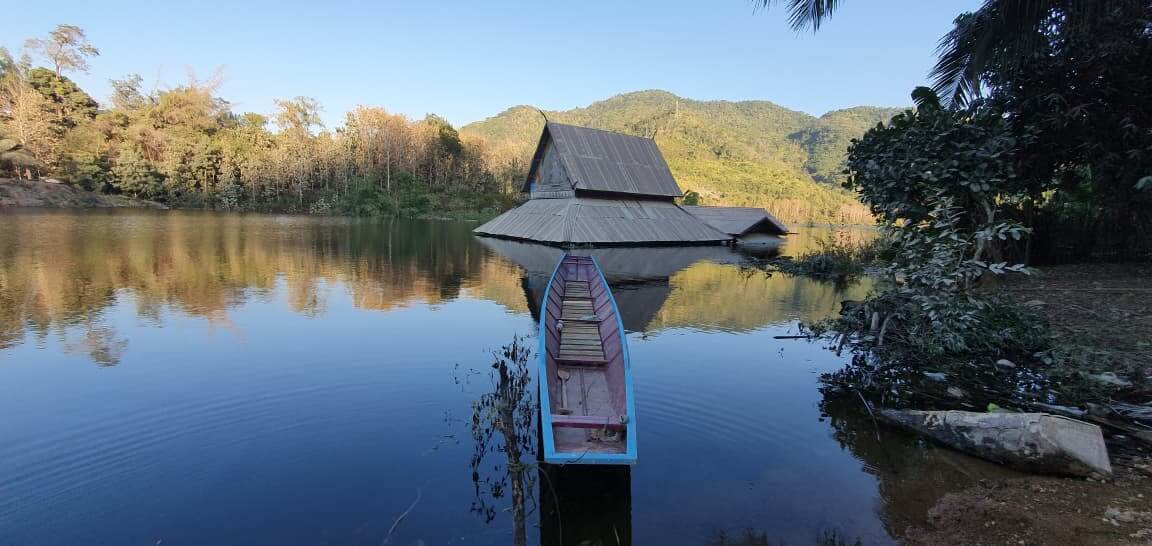
This exhibition looks at how large-scale development projects in the Mekong region have affected Indigenous communities, especially in terms of their land, livelihoods, and cultural ways of life. Too often, Indigenous peoples are reduced to negative stereotypes, seen only as those affected by change, or even blamed as obstacles to development. This exhibition challenges those ideas.
Instead, it presents Indigenous peoples as equal members of society, with the same dignity, rights, and voice as everyone else. It also recognizes their important role in caring for the environment and protecting nature, which benefits not only their communities but society as a whole.
Under the theme “Our Roots, Our Stories, Our Strengths: Indigenous Peoples’ Voices for the Future of the Mekong Region,” the exhibition centers Indigenous voices and lived experiences. It calls for recognition of Indigenous peoples’ rights, their full inclusion in decision-making, and emphasizes that their full participation is essential for a more just and sustainable future in the Mekong region.
นิทรรศการนี้สำรวจผลกระทบของโครงการพัฒนาขนาดใหญ่ในภูมิภาคลุ่มน้ำโขงแม่น้ำโขงที่มีต่อชุมชนชนเผ่าพื้นเมือง โดยเฉพาะในด้านที่ดิน วิถีการดำรงชีพ และวิถีชีวิตทางวัฒนธรรม บ่อยครั้งที่ชนเผ่าพื้นเมืองมักถูกมองผ่านภาพจำในแง่ลบ ถูกมองว่าเป็นเพียงผู้ได้รับผลกระทบจากการเปลี่ยนแปลง หรือแม้กระทั่งถูกมองว่าเป็นอุปสรรคต่อการพัฒนา แต่นิทรรศการนี้มุ่งที่จะท้าทายแนวคิดนี้
ในทางกลับกันนิทรรศการนี้นำเสนอภาพลักษณ์ของชนเผ่าพื้นเมืองในฐานะสมาชิกที่เท่าเทียมกันของสังคม ผู้ซึ่งมีศักดิ์ศรี สิทธิ และเสียงที่มีความสำคัญเท่ากันกับผู้อื่น อีกทั้งยังตระหนักถึงบทบาทสำคัญของพวกเขาในการดูแลสิ่งแวดล้อมและปกป้องธรรมชาติ ซึ่งไม่เพียงแต่ก่อให้เกิดประโยชน์ต่อชุมชนของพวกเขาเท่านั้น แต่ยังส่งผลดีต่อสังคมโดยรวมอีกด้วย
ภายใต้แนวคิด “รากเหง้า เรื่องราว และพลังของเรา: เสียงของชนเผ่าพื้นเมืองเพื่ออนาคตของภูมิภาคลุ่มน้ำโขงแม่น้ำโขง” นิทรรศการนี้ให้ความสำคัญกับเสียงและประสบการณ์ชีวิตจริงของชนเผ่าพื้นเมืองเป็นหัวใจสำคัญ พร้อมทั้งเรียกร้องให้มีการยอมรับสิทธิของชนเผ่าพื้นเมืองและการมีส่วนร่วมในกระบวนการตัดสินใจ อีกทั้งยังเน้นย้ำว่าการมีส่วนร่วมอย่างเต็มรูปแบบของพวกเขานั้นเป็นสิ่งจำเป็นอย่างยิ่งต่อการสร้างอนาคตที่ยุติธรรมและยั่งยืนยิ่งขึ้นสำหรับภูมิภาคลุ่มแม่น้ำโขง
Alumni of EarthRights Training Programs:
Since 1999, over 600 graduates from the Mekong region have completed EarthRights training programs, including EarthRights School Myanmar, EarthRights School Mekong, EarthRights School, the Mekong Legal Advocacy Institute, and the Bertha Fellowship. EarthRights alumni continue to hold leadership roles across the region, leading campaigns to protect the environment and natural resources, combat environmental degradation, and defend human rights.
Today, more than 300 alumni remain active across the region, using their skills, leadership, and networks to drive changes in their communities. Of these active alumni, 41% are from Indigenous communities, bringing deep cultural knowledge, lived experience, and trusted leadership to frontline efforts to protect land, water, livelihoods, and Indigenous rights.
ศิษย์เก่าโครงการฝึกอบรม EarthRights
ตั้งแต่ปี ค.ศ. 1999 เป็นต้นมา นักปกป้องสิทธิมนุษยชนและสิ่งแวดล้อมจากภูมิภาคลุ่มน้ำโขงกว่า 600 คน ผ่านการอบรมเสริมสร้างศักยภาพของ EarthRights อาทิ EarthRights School Myanmar, EarthRights School Mekong, EarthRights School, Mekong Legal Advocacy Institute และ Bertha Fellowship ศิษย์เก่าของ EarthRights ยังคงดำรงตำแหน่งผู้นำในแต่ละภูมิภาคอย่างต่อเนื่อง โดยเป็นผู้นำในการรณรงค์เพื่อปกป้องสิ่งแวดล้อมและทรัพยากรธรรมชาติ ต่อสู้กับสิ่งแวดล้อมที่เสื่อมโทรม และปกป้องสิทธิมนุษยชน
ปัจจุบัน มีศิษย์เก่ามากกว่า 300 คน ที่ยังคงทำงานทั่วภูมิภาคลุ่มน้ำโขง โดยนำความรู้ ทักษะ ภาวะผู้นำ และเครือข่าย ไปต่อยอดการทำงานเพื่อสร้างความเปลี่ยนแปลงในชุมชนและสังคม และร้อยละ 41 เป็นศิษย์เก่าจากชุมชนชนเผ่าพื้นเมือง ซึ่งมีบทบาทสำคัญในการปกป้องที่ดิน แหล่งน้ำ ทรัพยากรธรรมชาติ และวิถีชีวิต ผ่านการทำงานร่วมกับสมาชิกในชุมชน ตลอดจนร่วมขับเคลื่อนประเด็นด้านสิทธิมนุษยชนสิ่งแวดล้อมในพื้นที่
Cambodia
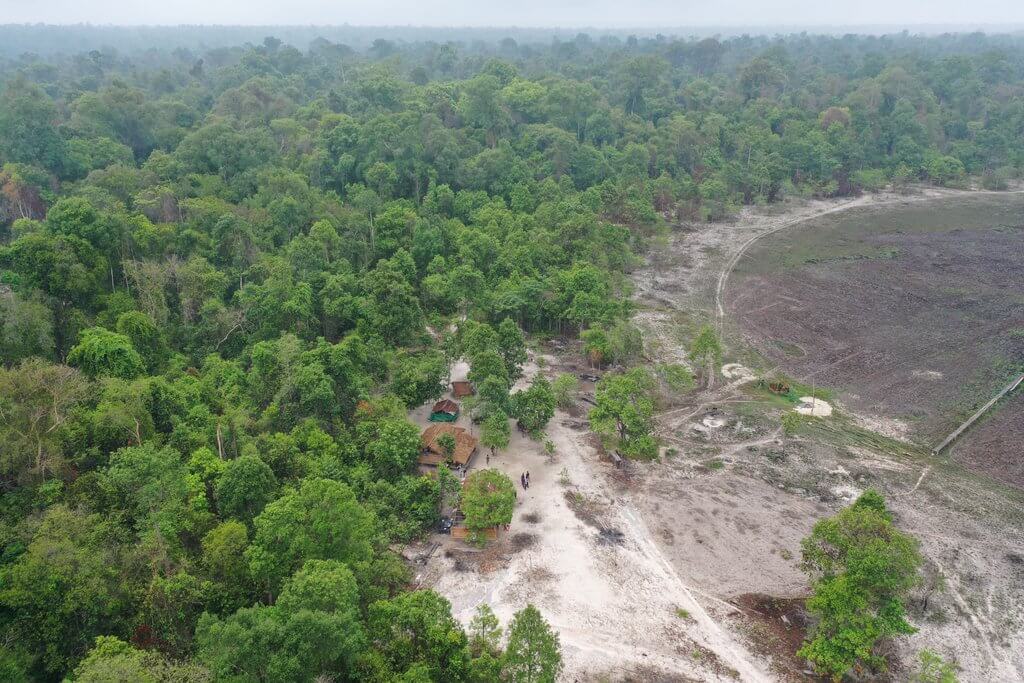
Community Stewardship of Biodiversity การดูแลรักษาความหลากหลายทางชีวภาพโดยชุมชน
Photographer: HOKLEK (Kui)
Location: A permanent elder’s camp in the Boeng Per Wildlife Sanctuary of Preah Vihear province, northern Cambodia.
An initiative by a group of Kui elders from the Bongkuen Phal community was established in 2018 to monitor and stop illegal outside loggers from stealing their luxury timber. This effort stems from their love for biodiversity, which they sustain through practicing the Kui Indigenous way of life. If we fully acknowledge and recognize Indigenous Peoples’ rights to their land and territory, their wisdom can help solve global issues.
ในปี 2018 ผู้นำชนเผ่าพื้นเมืองกูยจากชุมชน Bongkuen Phal เริ่มจัดตั้งกลุ่มเพื่อเฝ้าสังเกตและหยุดยั้งการขโมยตัดไม้หายากโดยผิดกฎหมาย ความมุ่งมั่นนี้มีรากฐานมาจากความรักในความหลากหลายทางชีวภาพ ซึ่งพวกเขาช่วยกันรักษาไว้ผ่านการดำเนินวิถีชีวิตตามชนเผ่าพื้นเมืองกูย ถ้าเรายอมรับและตระหนักถึงความสำคัญของสิทธิของชนเผ่าพื้นเมืองที่มีต่อที่ดินและดินแดนของตน ภูมิปัญญาของพวกเขาก็สามารถช่วยแก้ไขปัญหาระดับโลกได้
Indigenous Traditional Farming เกษตรกรรมแบบดั้งเดิมของชนเผ่าพื้นเมือง
Photographer: HOKLEK (Kui)
Location: Ratanakiri, Cambodia
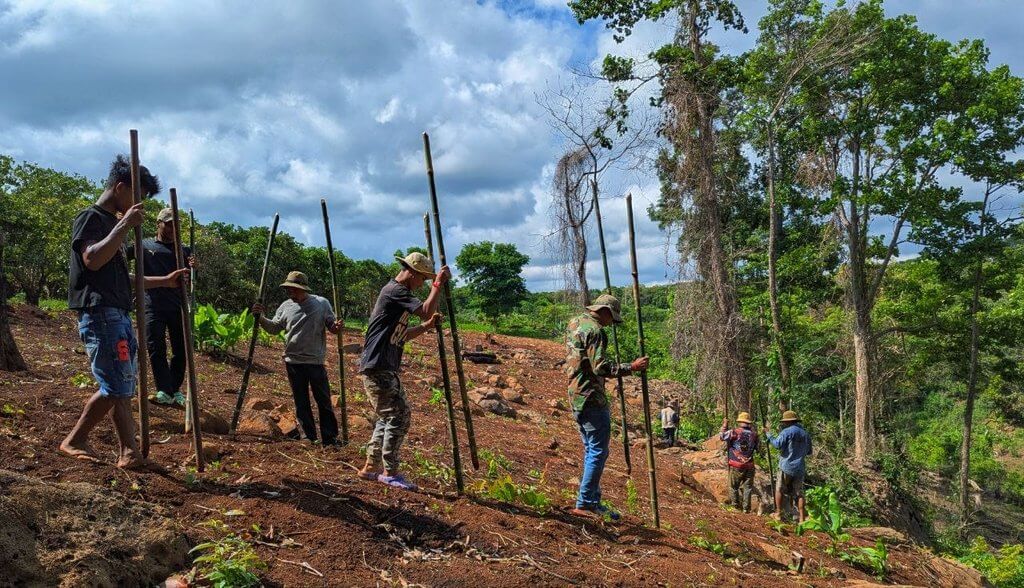
Photo description/caption: The Kreung Indigenous community continues to practice traditional upland agriculture. They participate in labor exchange networks to support one another, particularly targeting vulnerable households with limited farming capacity, such as widows or families living with disabilities. This communal farming practice is designed to maintain solidarity, promote social cohesion, and conserve local biodiversity. Following the planting season, the community performs rituals and presents offerings to the spirits. These ceremonies serve to pay respect to their creators and symbolize a request for permission to coexist as a part of nature, rather than as its owners.
ชุมชนชนเผ่าพื้นเมืองกรึงการทำเกษตรกรรมบนพื้นที่สูงมาอย่างยาวนาน พวกเขาร่วมแลกเปลี่ยนแรงงานในเครือข่ายชุมชนเพื่อช่วยเหลือกัน โดยมุ่งเน้นไปที่ครัวเรือนที่เปราะบางซึ่งมีข้อจำกัดด้านศักยภาพในการทำการเกษตร เช่น ครอบครัวที่มีหญิงม่ายหรือครอบครัวที่มีสมาชิกเป็นผู้พิการ รูปแบบการทำเกษตรแบบมีส่วนร่วมนี้ได้รับการออกแบบมาเพื่อรักษาความเป็นน้ำหนึ่งใจเดียวกัน ส่งเสริมความสมานฉันท์ในสังคม และอนุรักษ์ความหลากหลายทางชีวภาพในท้องถิ่น หลังฤดูเพาะปลูก ชุมชนจะประกอบพิธีกรรมและถวายเครื่องเซ่นไหว้แด่เหล่าวิญญาณหรือผี พิธีกรรมนี้มีขึ้นเพื่อแสดงความเคารพต่อผู้สร้างสรรค์สิ่งต่างๆ และเป็นสัญลักษณ์ของการขออนุญาตดำรงอยู่ร่วมกับธรรมชาติในฐานะส่วนหนึ่งของธรรมชาติ ไม่ใช่ในฐานะเจ้าของธรรมชาติ
Community Stewardship of Biodiversity การดูแลรักษาความหลากหลายทางชีวภาพโดยชุมชน
Photographer: HOKLEK (Kui)
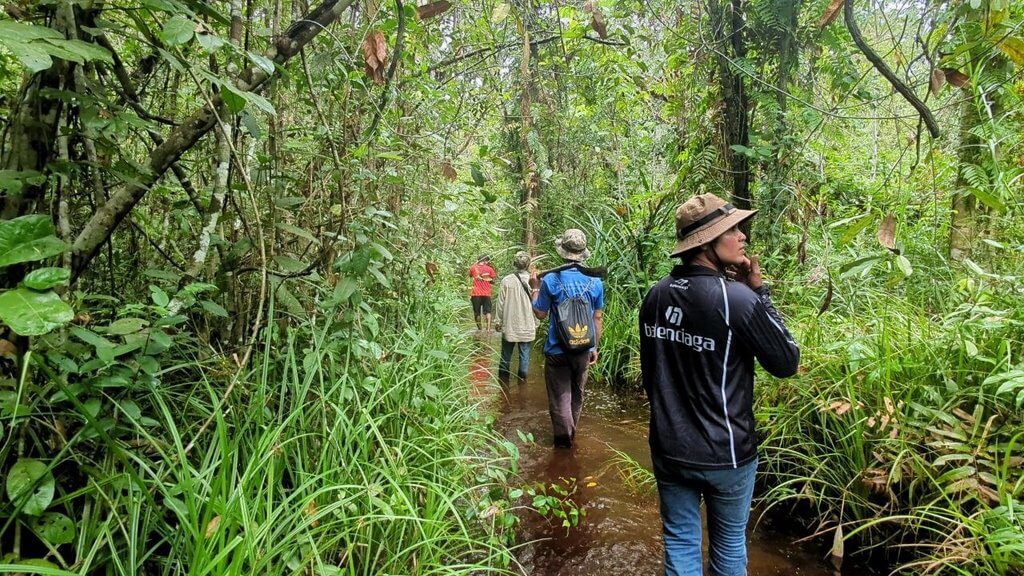
Location: A Kui community of Chaom Pen Community Protected Area (CPA) in the Boeng Per Wildlife Sanctuary located in Preah Vihear, northern Cambodia.
Photo description/caption: Forest patrolling initiated by the Kui community serves as an effective mechanism for monitoring changes in their natural resources. Rather than a standard security measure, this initiative functions as an experiential learning process for all participants. Traditional Kui knowledge is actively transmitted and practiced during these patrols. This collaborative effort encourages youth to learn directly from community elders, fostering a sense of collective joy and pride as they work together to steward their ancestral land and territory.
การลาดตระเวนป่าที่ริเริ่มโดยชุมชนชนเผ่าพื้นเมืองกูยถือเป็นกลไกที่มีประสิทธิภาพในการติดตามการเปลี่ยนแปลงของทรัพยากรธรรมชาติในพื้นที่ นอกจากจะเป็นเพียงมาตรการรักษาความปลอดภัยตามปกติ โครงการนี้ทำหน้าที่เป็นแหล่งเรียนรู้ผ่านประสบการณ์สำหรับผู้เข้าร่วมทุกคนอีกด้วย ในระหว่างการลาดตระเวน ความรู้ดั้งเดิมของชนเผ่าพื้นเมืองกูยก็ได้รับการถ่ายทอดและปฏิบัติอย่างจริงจัง ความร่วมมือนี้ส่งเสริมให้เยาวชนได้เรียนรู้โดยตรงจากผู้อาวุโสในชุมชน ก่อให้เกิดความสุขและความภาคภูมิใจร่วมกัน ในขณะที่ร่วมมือกันดูแลรักษาผืนดินและดินแดนของบรรพบุรุษ
Indigenous Youth Patrolling Forest เยาวชนชนเผ่าพื้นเมืองลาดตระเวนป่า
Photographer: Rithy BUN (Tumpoun)
Location: Ratanakiri, Cambodia
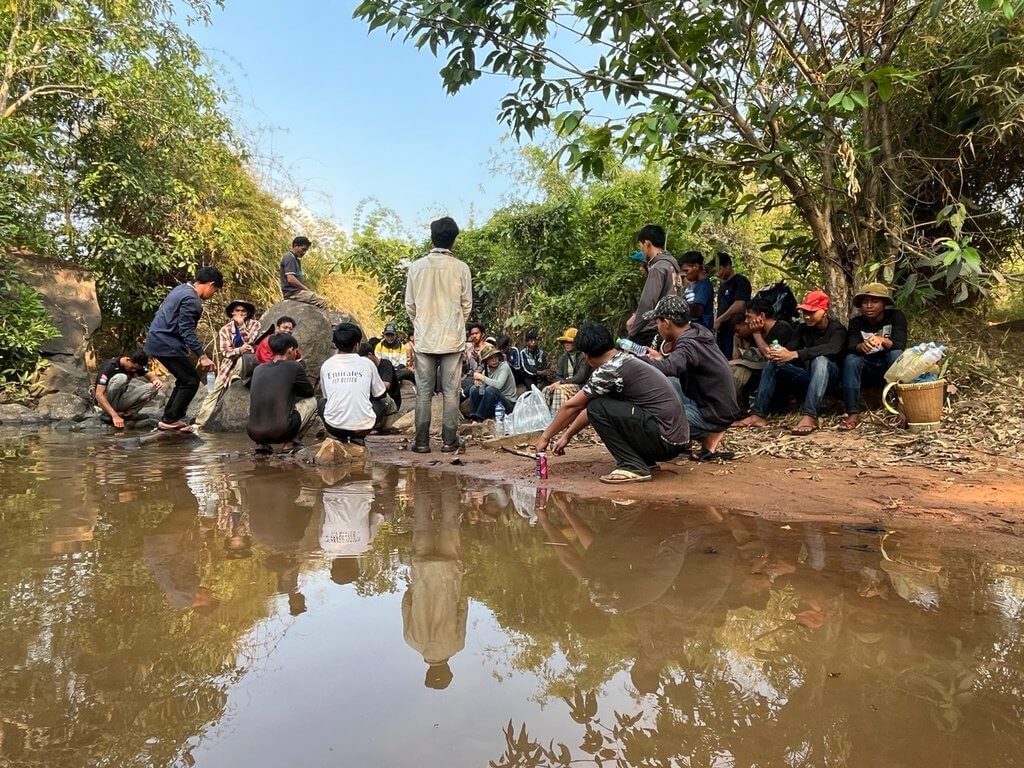
Photo description/caption: Jarai Indigenous youth who are affected by the mining project in Ratanakiri initiated patrolling forest activities in order to inform their youth about the threat of being taken away from these invaluable spiritual forests for mining extractives. After the patrolling activity, they conduct an informal reflection session with each other and discuss what they have seen in the forest and why it is still important for them as Jarai Indigenous.
เยาวชนชนเผ่าพื้นเมืองจารายที่ได้รับผลกระทบจากโครงการทำเหมืองใน จ.รัตนคีรี ได้ริเริ่มกิจกรรมลาดตระเวนป่าเพื่อสร้างความตระหนักรู้แก่เพื่อนเยาวชนเกี่ยวกับภัยคุกคามที่จะทำให้พวกเขาต้องสูญเสียผืนป่าอันศักดิ์สิทธิ์และทรงคุณค่าไปให้กับการทำเหมือง หลังจากเสร็จสิ้นการลาดตระเวนแล้ว พวกเขาจะร่วมกันพูดคุยแลกเปลี่ยนความคิดเห็นอย่างไม่เป็นทางการเกี่ยวกับสิ่งที่ได้พบเห็นในป่า และหารือกันว่าเหตุใดป่าไม้จึงยังคงมีความสำคัญต่อชนเผ่าพื้นเมืองจาราย
Laos
The Fading Glory เกียรติยศที่เลือนหายไป
Photographer: Dorn (Khmu)
Location: Ngoy district, Luangprabang, Lao PDR
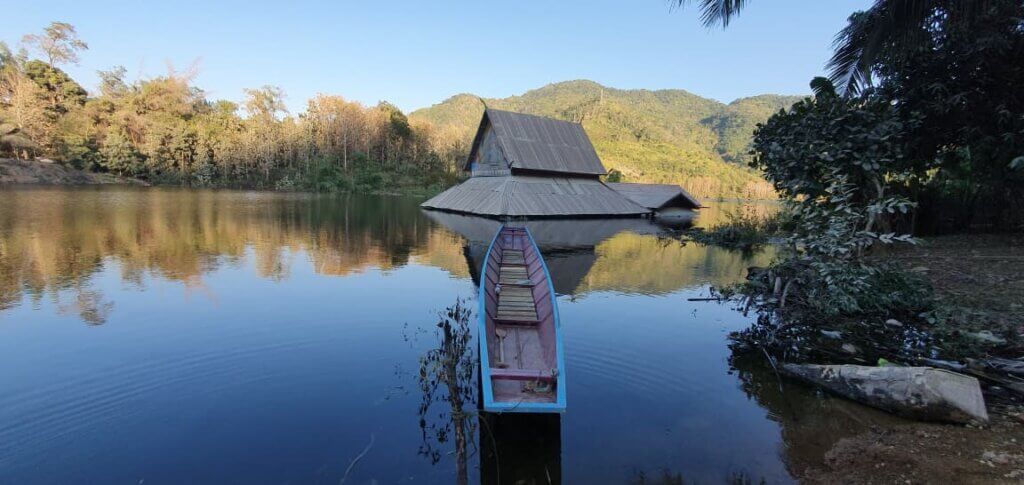
Photo description/caption: What do we lose in the name of development? This photo shows the remains of an old temple, slowly fading into the waters of the Nam Ou hydropower project. For generations, this area was home to a tightly-knit community of Tai Lue, Khmu, and Lao ethnic groups. Following their relocation, the villagers left behind their sacred grounds. The half-sunken roof stands as a haunting reminder that when communities are displaced, we lose not just structures, but a living way of life.
เราสูญเสียอะไรไปบ้างในนามของการพัฒนา? ภาพนี้เผยให้เห็นซากของวัดเก่าแก่ที่กำลังค่อยๆ จมหายไปใต้ผืนน้ำของโครงการโรงไฟฟ้าพลังน้ำน้ำอู พื้นที่แห่งนี้เคยเป็นถิ่นที่อยู่ของกลุ่มชุมชนที่มีความผูกพันแน่นแฟ้นกันมาหลายชั่วอายุคนของชนเผ่าพื้นเมืองไทลื้อ ขมุ และลาว หลังการย้ายถิ่นฐาน ชุมชนได้ทิ้งพื้นที่อันศักดิ์สิทธิ์ของตนไว้เบื้องหลัง หลังคาที่จมลงไปครึ่งหนึ่งนั้นเป็นเครื่องเตือนใจอันน่าหดหู่ว่า เมื่อชุมชนต้องพลัดถิ่น สิ่งที่เราสูญเสียไปไม่ใช่เพียงแค่สิ่งปลูกสร้างเท่านั้น แต่ยังรวมถึงวิถีชีวิตของชุมชน
No More Kai to Gather ไม่มี ‘ไก’ ให้เก็บเกี่ยวอีกต่อไป
Photographer: Dorn (Khmu)
Location: Ngoy district, Luangprabang, Lao PDR
Photo description/caption:
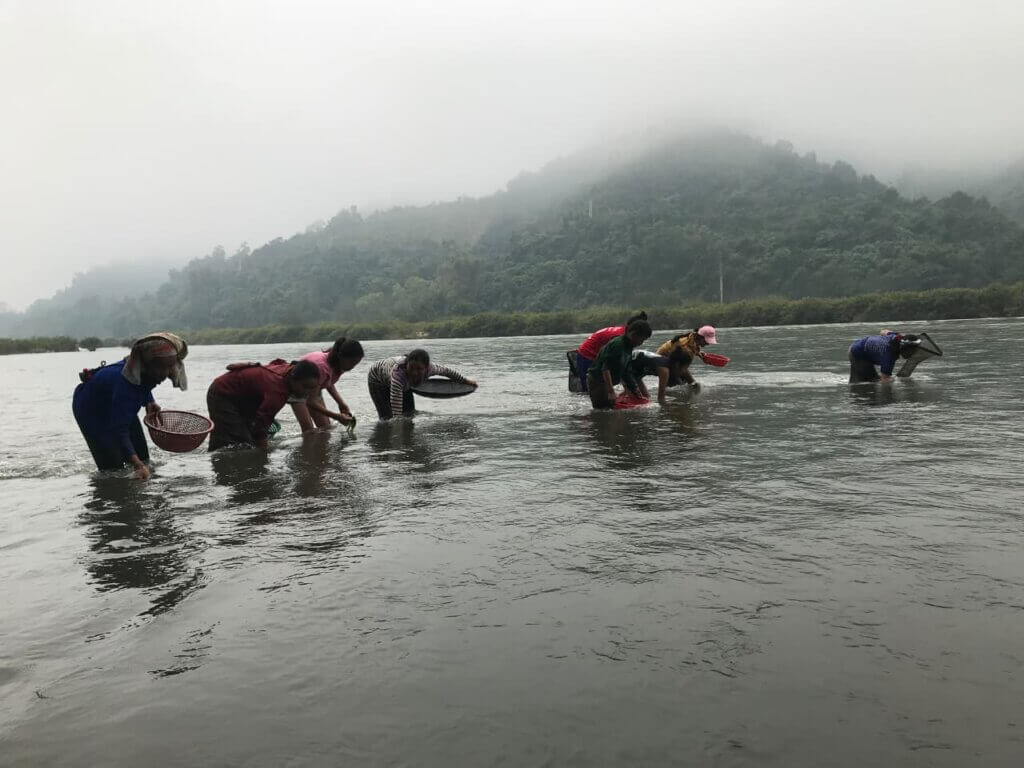
Khmu women gather river weed (Kai) along the Nam Ou River—a seasonal harvest that once provided both vital nourishment and income for the community. Following the construction of the hydropower dam, this natural abundance vanished, breaking a delicate food chain and disrupting a traditional way of life. Today, the community faces a quiet crisis of food security, transitioning from fresh, river-sourced nutrition to reliance on imported, processed foods filled with preservatives. It stands as a powerful testament to the hidden costs of a changing landscape.
ผู้หญิงชนเผ่าพื้นเมืองขมุรวมตัวกันเก็บสาหร่ายแม่น้ำ (ไก) บริเวณริมแม่น้ำอู ซึ่งเป็นผลผลิตตามฤดูกาลที่เคยเป็นทั้งแหล่งอาหารสำคัญและแหล่งรายได้ของชุมชน หลังจากการก่อสร้างเขื่อนผลิตไฟฟ้าพลังน้ำ ความอุดมสมบูรณ์ตามธรรมชาตินี้ได้สูญสิ้นไป ส่งผลให้ห่วงโซ่อาหารที่เปราะบางต้องขาดสะบั้นลง และวิถีชีวิตแบบดั้งเดิมต้องหยุดชะงักไป ในปัจจุบัน ชุมชนกำลังเผชิญกับวิกฤตด้านความมั่นคงทางอาหารที่เกิดขึ้นอย่างเงียบๆ โดยเปลี่ยนจากการบริโภคอาหารสดใหม่จากแม่น้ำลำคลองไปสู่การพึ่งพาอาหารแปรรูปนำเข้าที่เต็มไปด้วยสารกันบูด สิ่งนี้เป็นเครื่องพิสูจน์ที่ชัดเจนถึงต้นทุนที่ซ่อนอยู่ภายใต้การเปลี่ยนแปลงของสภาพแวดล้อม
The Absent Home บ้านที่ไม่มีคนอยู่
Photographer: Lenol (Tai Daeng)
Location: Boten, Luangnamtha, Lao PDR
Photo description/caption:
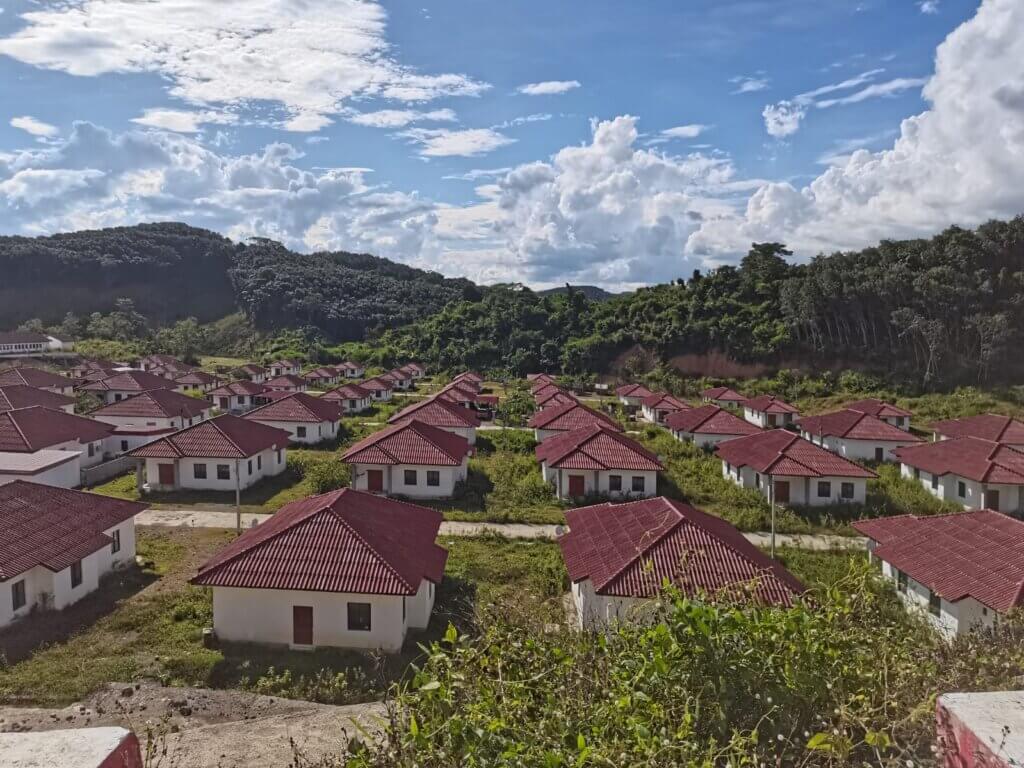
This is an abandoned resettlement village built for Tai Lue and Tai Dam ethnic families in Boten, Luang Namtha Province, provided as compensation by the Laos-China Railway project for displaced residents. However, the villagers have chosen not to move in because they are unfamiliar with the lifestyle in this area, which lacks agricultural land for farming and is located far from the town. This image clearly reflects that a community’s traditional way of life remains far more important to the villagers than large-scale development projects.
นี่คือหมู่บ้านจัดสรรสำหรับผู้ย้ายถิ่นฐานที่ถูกปล่อยทิ้งร้าง หมู่บ้านนี้สร้างขึ้นเพื่อรองรับครอบครัวชนเผ่าพื้นเมืองไทลื้อและไทดำในเมืองบ่อเต็น แขวงหลวงน้ำทา โดยเป็นส่วนหนึ่งของการชดเชยจากโครงการรถไฟลาว-จีน ให้แก่ผู้อยู่อาศัยที่ต้องย้ายถิ่นฐาน อย่างไรก็ตาม ชุมชนเลือกที่จะไม่ย้ายเข้าไปอยู่ เพราะไม่คุ้นเคยกับวิถีชีวิตในพื้นที่นี้ ซึ่งขาดแคลนพื้นที่สำหรับทำการเกษตรและตั้งอยู่ห่างไกลจากตัวเมือง ภาพนี้สะท้อนให้เห็นอย่างชัดเจนว่า วิถีชีวิตดั้งเดิมของชุมชนยังคงมีความสำคัญต่อชุมชนมากกว่าโครงการพัฒนาขนาดใหญ่
Food from Forest (Seuang Ma Da Bri) อาหารจากป่า
Photographer: Noud (Tai Daeng)
Location: Ngoy district, Luangprabang Province, Lao PDR
Photo description/caption:
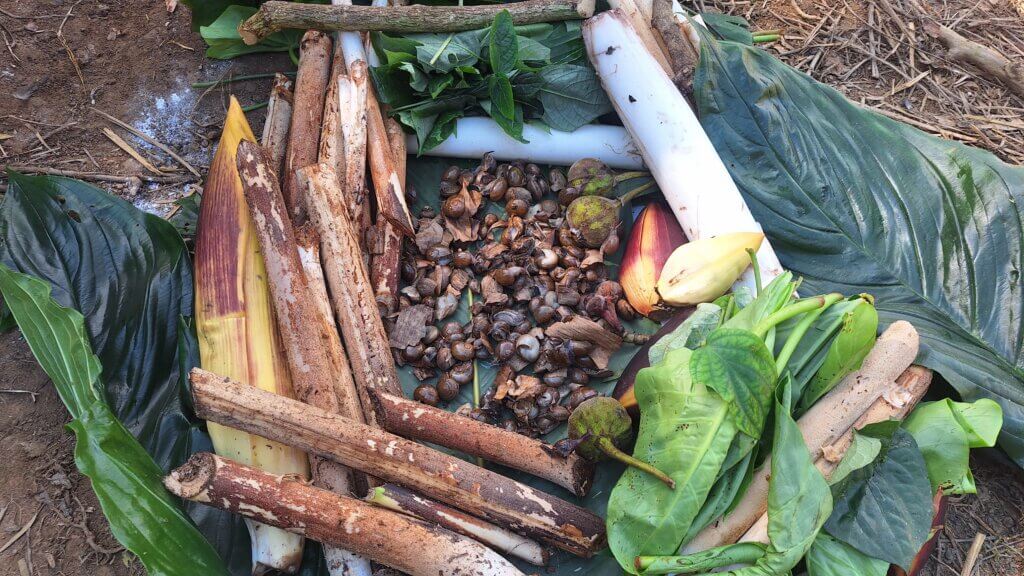
A collection of food and traditional herbs gathered from the wild by Khmu women, showcasing the symbiotic relationship between local communities and the forest. The rapid pace of development now threatens this fragile balance. If economic profit is prioritized over conservation, we face the loss of a sustainable food source and an ancient cultural tradition. A Khmu elder warns that by destroying nature, humanity destroys its own means of survival.
ภาพรวมอาหารและสมุนไพรพื้นบ้านจากป่าที่เก็บเกี่ยวโดยผู้หญิงชนเผ่าพื้นเมืองขมุ สะท้อนให้เห็นถึงความสัมพันธ์แบบพึ่งพาอาศัยกันระหว่างชุมชนท้องถิ่นและผืนป่า การพัฒนาที่รวดเร็วในขณะนี้กำลังคุกคามสมดุลอันเปราะบางนี้ ถ้ามีการให้ความสำคัญกับผลกำไรทางเศรษฐกิจมากกว่าการอนุรักษ์ เราก็จะต้องเผชิญกับการสูญเสียแหล่งอาหารที่ยั่งยืนและประเพณีทางวัฒนธรรมอันเก่าแก่ไป ผู้อาวุโสชนเผ่าพื้นเมืองขมุได้เตือนว่า การทำลายธรรมชาติเท่ากับมนุษยชาติกำลังทำลายหนทางในการอยู่รอดของตนเอง
Miracle Water: A Natural Gift from Bamboo (Ohm Tra Sae) น้ำมหัศจรรย์: ของขวัญจากธรรมชาติจากต้นไผ่
Photographer: Noud (Tai Daeng)
Location: Ngoy district, Luangprabang Province, Lao PDR
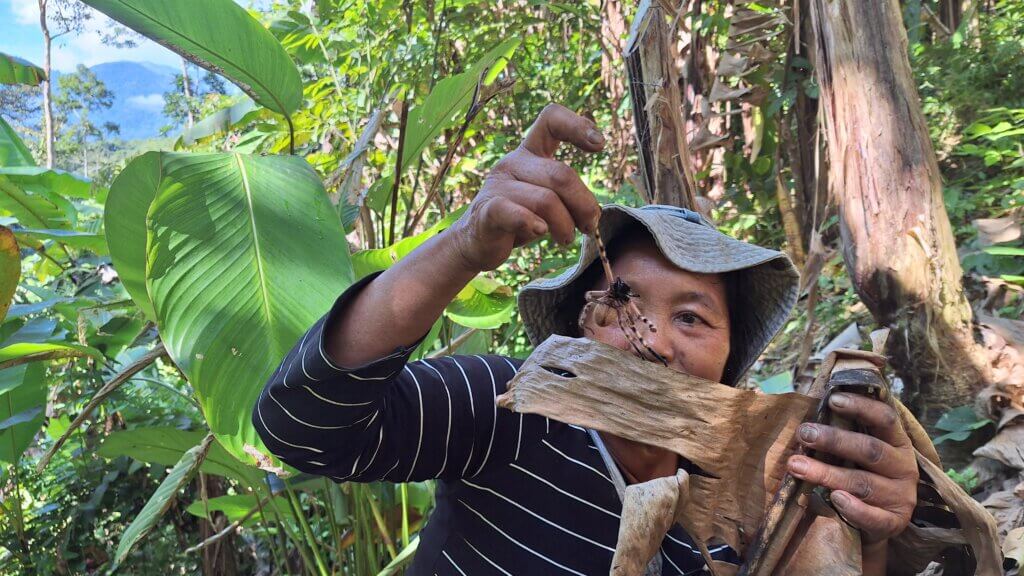
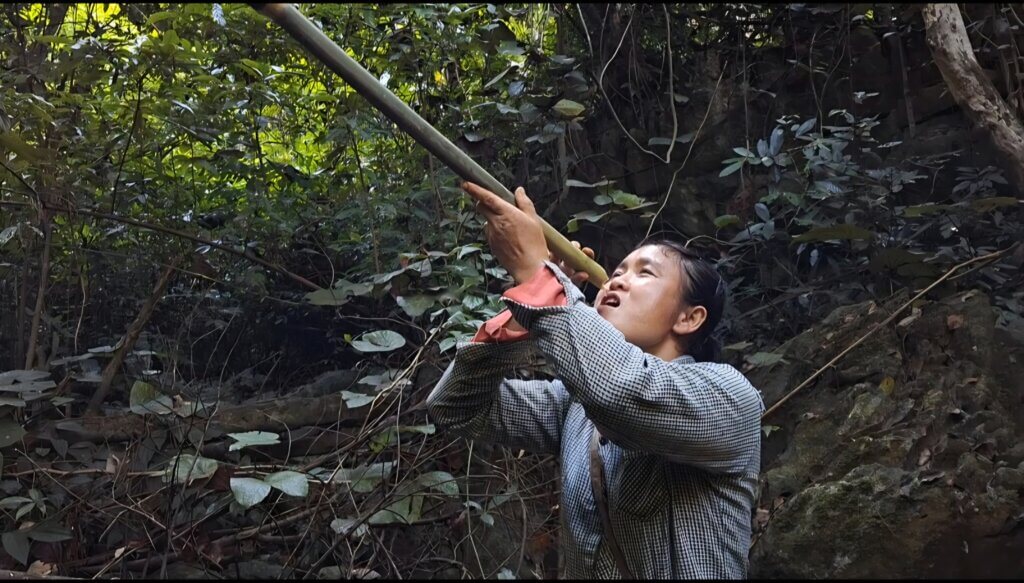
Photo description/caption: A Khmu woman sips fresh, clean water cradled inside a wild bamboo stalk. For generations, this forest has acted as a living spring, sustaining the lives of those who protect it. It is a gentle reminder of nature’s quiet generosity and a warning that if we continue to destroy these forests, this timeless source of life will run dry forever.
ผู้หญิงชนเผ่าพื้นเมืองขมุจิบน้ำสะอาดสดชื่นที่อยู่ในกระบอกไม้ไผ่ป่า ผืนป่าแห่งนี้เป็นน้ำแห่งชีวิตซึ่งหล่อเลี้ยงผู้คนที่คอยปกป้องดูแลมันมานานหลายชั่วอายุคน นี่คือสิ่งเตือนใจถึงความเอื้อเฟื้อเผื่อแผ่ของธรรมชาติ และเป็นคำเตือนว่าหากเรายังคงทำลายผืนป่าเหล่านี้ต่อไป แหล่งกำเนิดชีวิตอันยั่งยืนนี้ก็จะเหือดแห้งหายไปตลอดกาล
Knowing Our Rights การรู้สิทธิของเรา
Photographer: Pay (Tai Daeng)
Location: Long district, Luangnamtha Province, Lao PDR
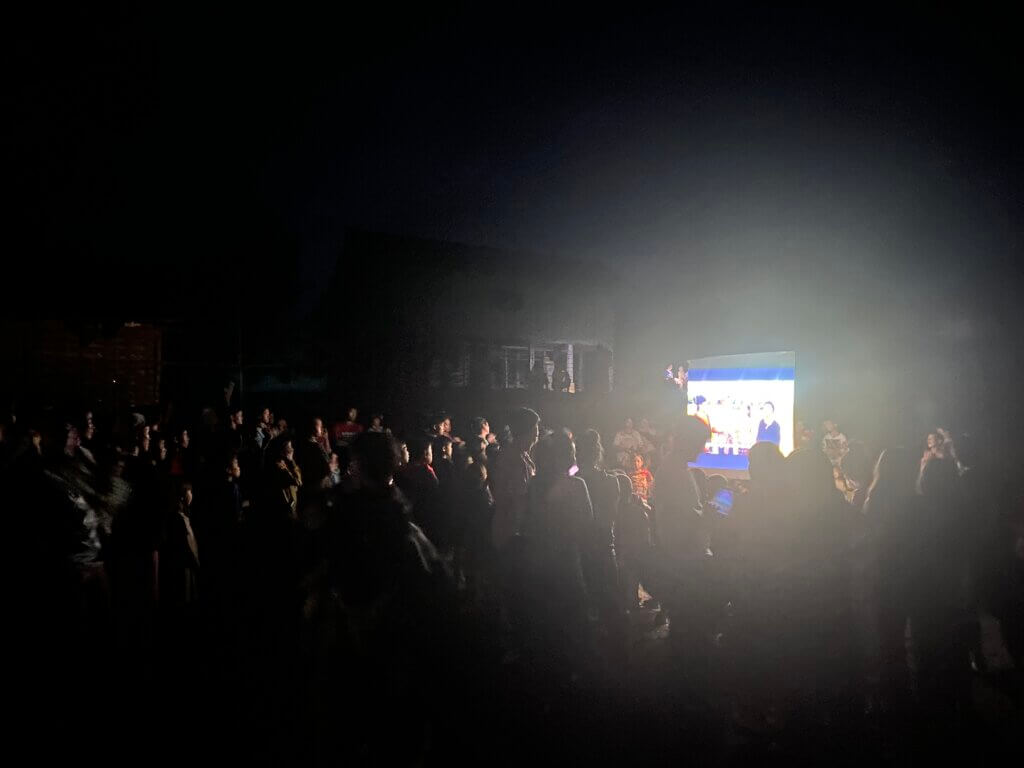
Photo description/caption: In the quiet of the night, this image captures an outdoor screening in an Akha ethnic village, where an educational video on land and natural resource rights is being shown. Because the villagers do not speak the national language, the video is presented in their native Akha tongue, ensuring they can fully understand and use this knowledge to protect their ancestral lands. This village is located within a state-declared forest conservation zone—an administrative boundary that now overlaps with the community’s historical home. The glowing screen stands as a beacon of hope, reminding us that true conservation begins when people understand and can advocate for their own rights.
ท่ามกลางความเงียบสงัดยามค่ำคืน ภาพนี้บันทึกเหตุการณ์การฉายวิดีโอกลางแจ้งในหมู่บ้านชนเผ่าพื้นเมืองอาข่า เพื่อให้ความรู้เกี่ยวกับสิทธิในที่ดินและทรัพยากรธรรมชาติ เนื่องจากชุมชนไม่ได้ใช้ภาษาราชการเป็นภาษาหลัก วิดีโอนี้จึงนำเสนอด้วยภาษาอาข่าซึ่งเป็นภาษาท้องถิ่น เพื่อให้มั่นใจว่าชุมชนจะเข้าใจเนื้อหาได้อย่างถ่องแท้และสามารถนำความรู้นี้ไปใช้ปกป้องผืนดินของบรรพบุรุษได้ หมู่บ้านแห่งนี้ตั้งอยู่ในเขตพื้นที่อนุรักษ์ป่าไม้ที่ประกาศโดยรัฐ ซึ่งเป็นเขตการปกครองที่ทับซ้อนกับถิ่นฐานดั้งเดิมของชุมชน แสงสว่างจากหน้าจอเปรียบเสมือนแสงแห่งความหวังที่ย้ำเตือนให้เราตระหนักว่า การอนุรักษ์ที่แท้จริงจะเกิดขึ้นได้ก็ต่อเมื่อผู้คนมีความเข้าใจและสามารถเรียกร้องสิทธิของตนเองได้
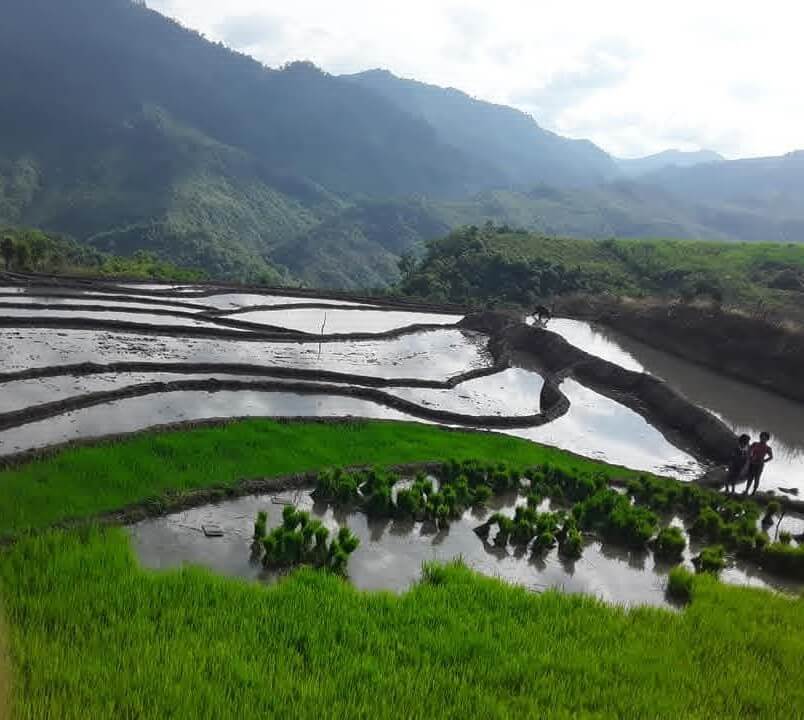
Our Fields, Our Food ผืนนาของเรา อาหารของเรา
Photographer: Sayphoy (Khmu)
Location: Houaphan Province, Lao PDR
Photo description/caption: In this photo, the terraced rice fields of the Phong ethnic group in Houaphanh Province are shown. These fields depend entirely on natural streams for irrigation, which is why the villagers deeply value their rivers. However, in recent years, widespread mining concessions—particularly for rare earth elements—have put these lifelines at risk. Chemical leaks from mines have already contaminated rivers in several villages, leaving communities unable to farm. Today, many villagers live in constant anxiety, fearing for the future of their streams and the rice fields that provide their food.
ภาพนี้เผยให้เห็นนาขั้นบันไดของชนเผ่าพื้นเมืองผ้อง ในแขวงหัวพัน นาขั้นบันไดนี้พึ่งพาแหล่งน้ำจากลำธารธรรมชาติเพียงอย่างเดียวในการเพาะปลูก เพราะอย่างนั้นชุมชนจึงให้ความสำคัญและหวงแหนแม่น้ำลำธารของตนเป็นอย่างยิ่ง ทว่าในช่วงไม่กี่ปีที่ผ่านมา การให้สัมปทานทำเหมืองแร่ที่ขยายตัวเป็นวงกว้าง โดยเฉพาะอย่างยิ่งการทำเหมืองแร่หายาก ได้ส่งผลกระทบต่อแหล่งน้ำอันเป็นหัวใจสำคัญในการดำรงชีวิตเหล่านี้ สารเคมีที่รั่วไหลจากเหมืองได้ปนเปื้อนลงสู่แม่น้ำในหลายหมู่บ้าน จนทำให้ชุมชนไม่สามารถทำการเกษตรได้ ในปัจจุบัน ชุมชนจำนวนมากต้องใช้ชีวิตอยู่ด้วยความวิตกกังวล โดยหวั่นเกรงถึงอนาคตของลำธารและผืนนาที่เป็นแหล่งอาหารหลักของพวกเขา
Myanmar
Since the military coup, the peaceful hills of the Danu Ethnic region, Ywangan and Pindaya, Southern Shan State, Myanmar, have faced rapid destruction.
นับตั้งแต่เกิดการรัฐประหาร พื้นที่เนินเขาอันเงียบสงบในเขตของชนเผ่าพื้นเมืองดานุ ในเมืองยวางัน และเมืองพินดายา ในรัฐฉานตอนใต้ ประเทศเมียนมา ต้องเผชิญกับความเสียหายอย่างรวดเร็ว
Tin and minerals are extracted in the Danu region, Myanmar.
มีการทำเหมืองดีบุกและแร่ธาตุในภูมิภาคดานุ ประเทศเมียนมา
Unregulated mining operations are destroying the traditional lands of the Danu people. The community is deeply worried about losing their forests, farmland, and water resources. Without their land and water, villages are losing their farming livelihoods, their food security, and their ancient culture.
การทำเหมืองแร่ที่ปราศจากการควบคุมกำลังทำลายผืนดินดั้งเดิมของชนเผ่าพื้นเมืองดานุ ชุมชนมีความกังวลอย่างยิ่งว่าจะต้องสูญเสียผืนป่า พื้นที่เกษตรกรรม และแหล่งน้ำไป หากปราศจากผืนดินและแหล่งน้ำ ชุมชนก็จะสูญเสียวิถีชีวิตการเกษตร ทางอาหารที่มั่นคง และวัฒนธรรมอันเก่าแก่ของตนไป
Alongside the environmental damage, a deep social crisis is growing. The economic collapse has brought illegal gambling and a dangerous drug epidemic that is destroying families and youth. At the same time, communities live in constant fear due to the ongoing war between the military and resistance groups.
นอกเหนือจากความเสียหายทางสิ่งแวดล้อมแล้ว วิกฤตการณ์ทางสังคมที่รุนแรงกำลังก่อตัวขึ้น การล่มสลายทางเศรษฐกิจนำมาซึ่งการพนันผิดกฎหมายและการแพร่ระบาดของยาเสพติดที่เป็นอันตราย ซึ่งกำลังทำลายครอบครัวและอนาคตของเยาวชน ในขณะเดียวกัน ผู้คนในชุมชนต้องใช้ชีวิตอยู่ด้วยความหวาดกลัวอย่างต่อเนื่องอันเป็นผลมาจากสงครามที่ยังคงดำเนินอยู่ระหว่างกองทัพและกลุ่มต่อต้าน
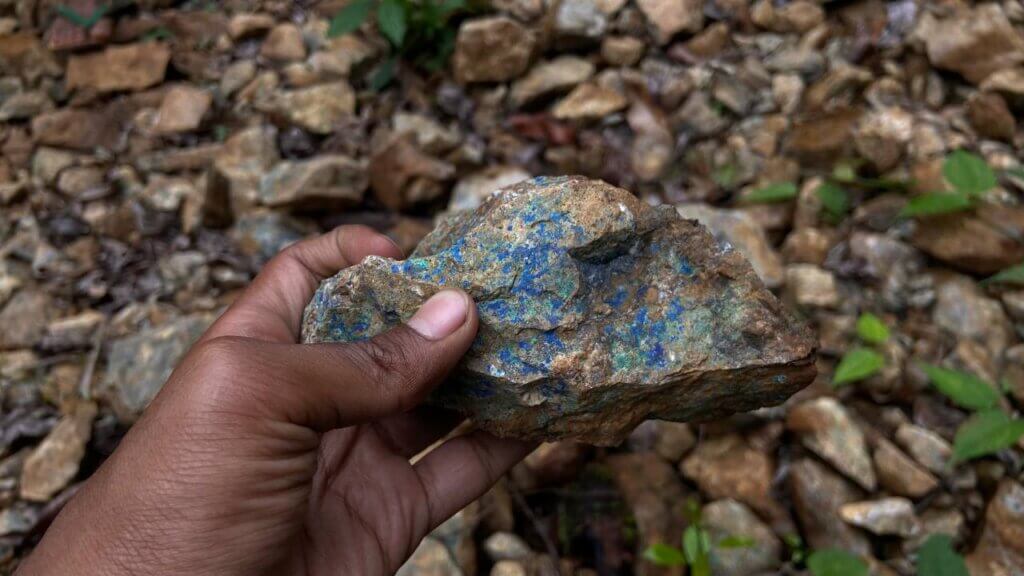
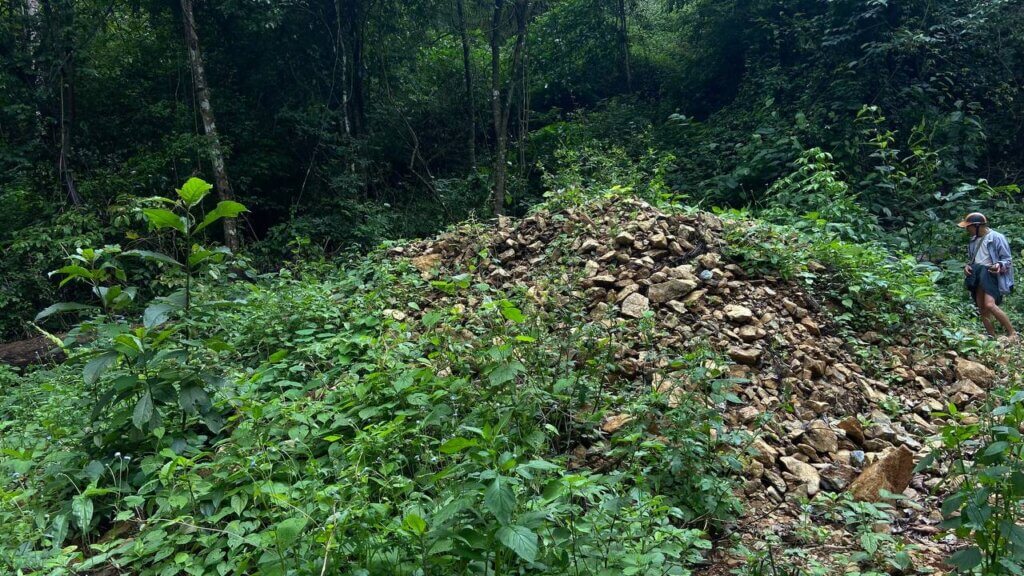
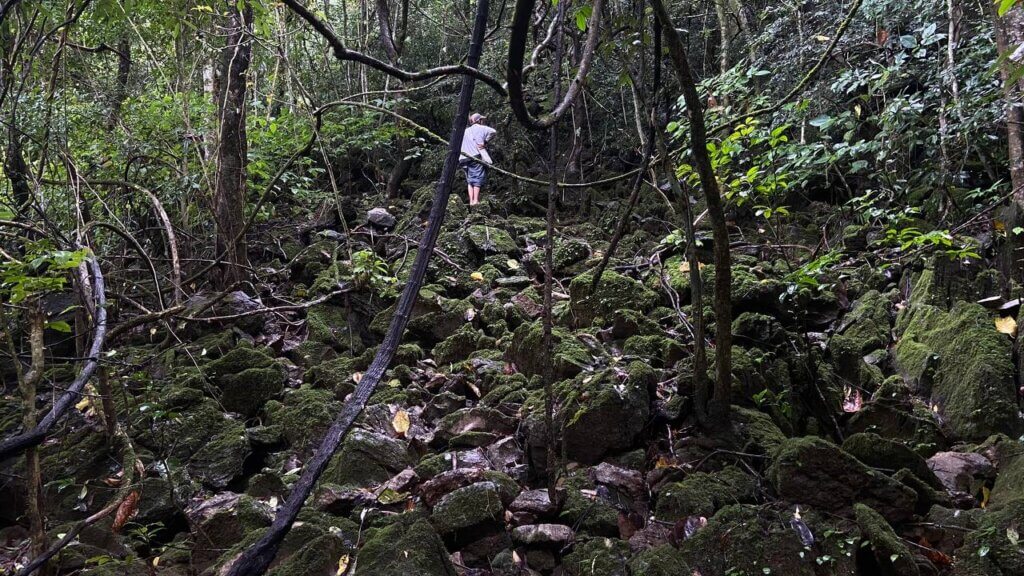
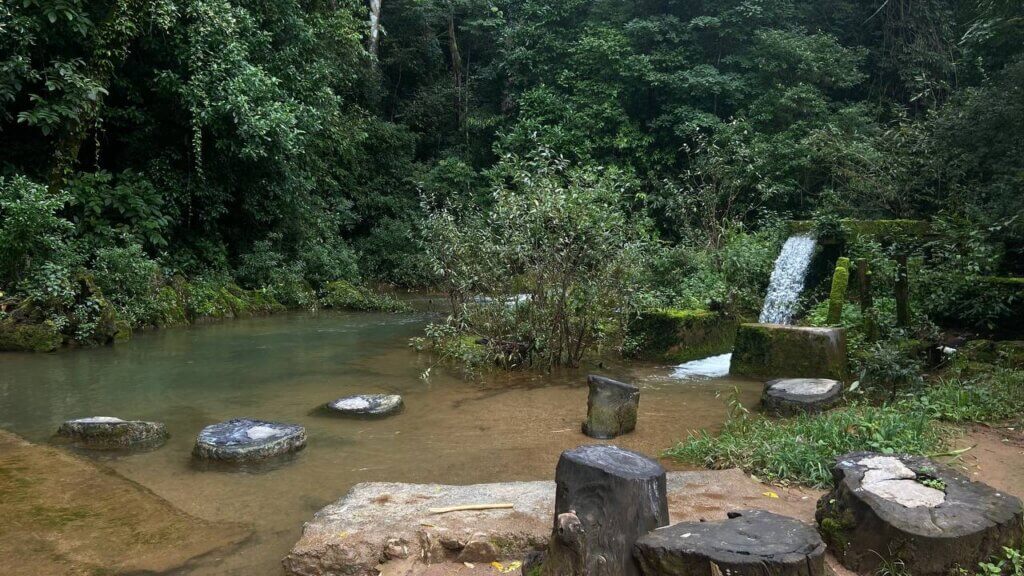
Shaking the Hills: The Crisis in the Danu Homeland
Photographer: MYO HALING WIN (Danu)
Location: Ywangan and Pindaya, Southern Shan State, Myanmar
Photo description/caption: A forest stream that provides drinking water for 42 villages is now under threat from proposed mining and logging activities.
ลำธารในป่าซึ่งเป็นแหล่งน้ำดื่มสำหรับหมู่บ้าน 42 แห่ง กำลังตกอยู่ในภาวะเสี่ยงอันตรายจากการเสนอโครงการทำเหมืองแร่และการตัดไม้
Thailand
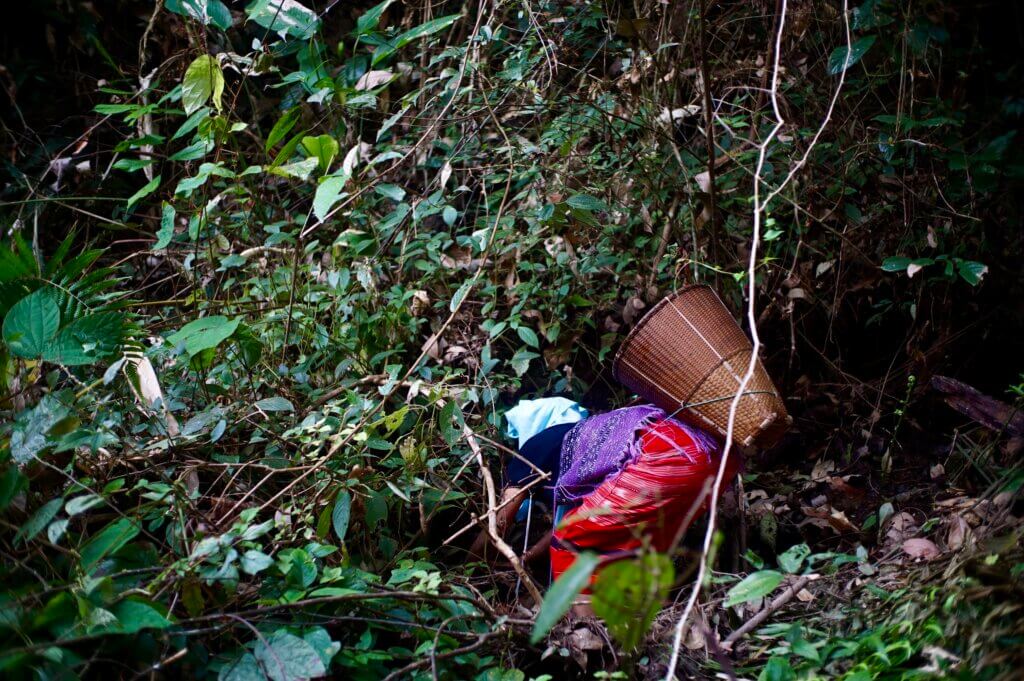
Shadows of Life in the Wildwood – A Way Embraced Deeply at the Roots เงาแห่งชีวิตในพงไพร — วิถีที่โอบรับไว้อย่างลึกซึ้งถึงราก
Photographer: Lamnutor Dangaenwiman (Karen Pgaz K’nyau )
Location: Ban Tha Ta Fang, Mae Hong Son, Thailand
Photo description/caption: A Karen Pakoenyo woman bends down to search for frogs, snails, crabs, and fish in a small stream in the middle of the forest. She carries a woven bamboo basket on her back to collect the food she gathers from nature. This activity has been practiced as a way of life for a long time and continues to play an important role in ensuring the food security of her family.
The food she gathers is taken home to prepare meals for her children and grandchildren, such as wild vegetable curry, boiled fish, crab curry, and other traditional dishes made with seasonal ingredients. This helps reduce dependence on food from the market and reflects the use of natural resources with appreciation and moderation.
This photograph shows that the forest and the stream are not only sources of food but also places where women play an important role in caring for their families, passing on traditional knowledge of gathering food from nature, and preserving knowledge about the seasons, different species of plants and animals, as well as methods of using natural resources without damaging the richness of the ecosystem. The relationship between women and nature is therefore a bond that sustains life, culture, and the well-being of the community from one generation to the next.
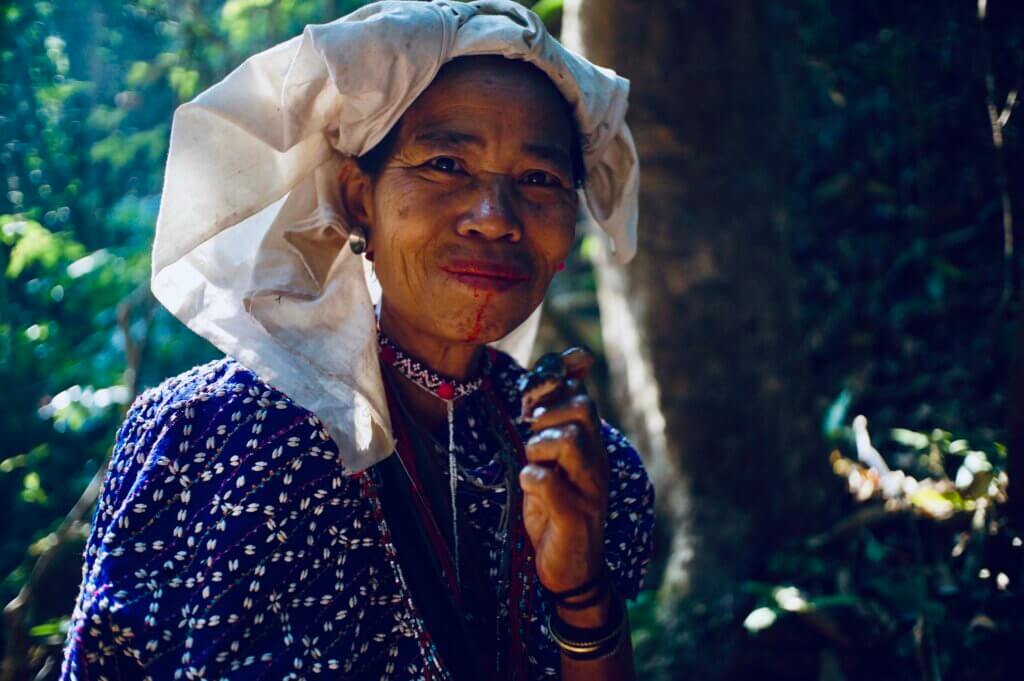
“Aw Ded Ker Tole”, or “When eating a frog, remember the cliff.” “ยามกินกบ จงนึกถึงหน้าผา”
Photographer: Lamnutor Dangaenwiman (Karen Pgaz K’nyau)
Location:Ban Tha Ta Fang, Mae Hong Son, Thailand
Photo description/caption: The photo shows a Karen Pgaz K’nyau woman sitting in the forest with a warm and proud smile. She is holding a frog that she caught from the forest, a traditional food that reflects the close relationship between her community and nature. More than showing a way of finding food, the photo represents the community’s traditional knowledge, respect for the environment, and the values passed down from their ancestors. They believe that natural resources should be used wisely and only as needed, so the forest and its wildlife can be protected for future generations.
ภาพนี้เผยให้เห็นผู้หญิงชนเผ่าพื้นเมืองกะเหรี่ยงปกาเกอะญอ ที่กำลังนั่งอยู่ในป่าด้วยรอยยิ้มอันอบอุ่นและเปี่ยมด้วยความภาคภูมิใจ เธอถือกบที่ตนเองจับได้จากป่า ซึ่งเป็นอาหารพื้นบ้านที่สะท้อนถึงความสัมพันธ์อันใกล้ชิดระหว่างชุมชนของเธอกับธรรมชาติ ภาพนี้ไม่ได้เป็นแค่การแสดงถึงวิธีหาอาหารเท่านั้น แต่ยังสื่อถึงภูมิปัญญาท้องถิ่นของชุมชน ความเคารพต่อสิ่งแวดล้อม และค่านิยมที่ได้รับการถ่ายทอดมาจากบรรพบุรุษ พวกเขาเชื่อว่าควรใช้ทรัพยากรธรรมชาติอย่างรู้คุณค่าและใช้เท่าที่จำเป็น เพื่อให้ป่าไม้และสัตว์ป่าได้รับการอนุรักษ์ไว้สำหรับคนรุ่นหลังสืบไป
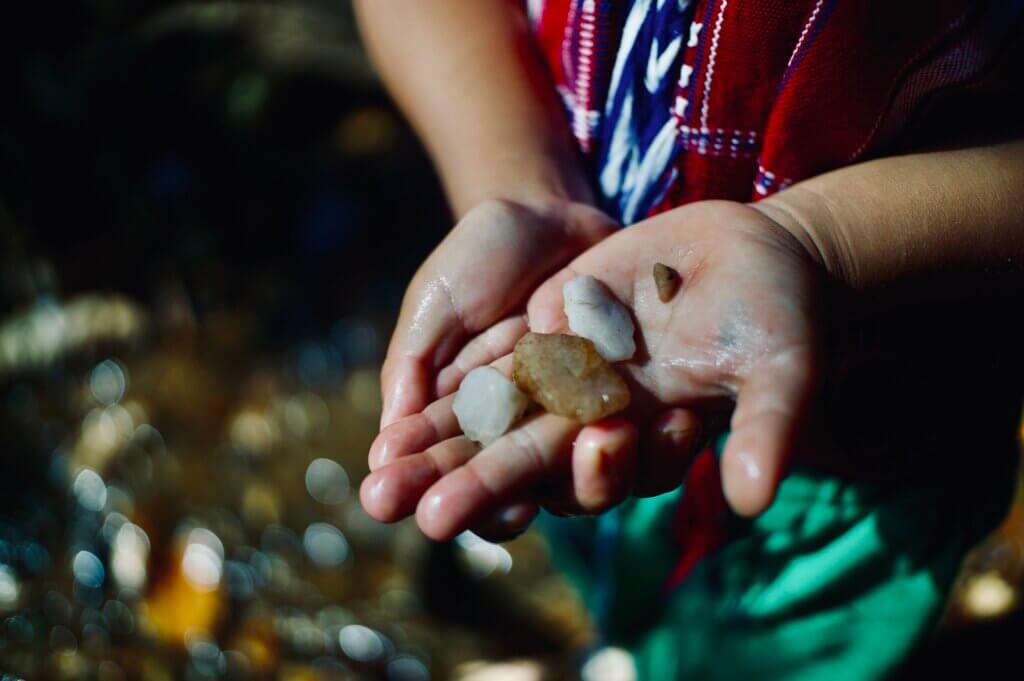
“ဃိၣ်သးလၢထံကလံ”.”Poisoned Waters: When Childhood’s Playground Becomes a Silent Grave for the Future” สายน้ำพิษ: เมื่อสนามเด็กเล่นในวัยเยาว์กลายเป็นหลุมศพอันเงียบงันแห่งอนาคต
Photographer: Lamnutor Dangaenwiman (Karen Pgaz K’nyau)
Location:Ban Tha Ta Fang, Mae Hong Son, Thailand
Photo description/caption: A Karen Pgaz K’nyau boy wearing a bright red handwoven shirt gently holds a handful of river stones and pebbles. At first, they seem like ordinary rocks picked up during play. But the reality is different. These stones are no longer as pure as they once were. The sparkling light reflected on them is not only sunlight—it also symbolizes the toxic chemicals and heavy metals that are polluting the Salween River, a river that has long provided food, water, and life for Indigenous communities.
This close-up photo tells the story of a serious environmental crisis. Pollution from mining, industry, and unsustainable development is threatening the river and the people who depend on it. Places that were once safe for children to play, catch fish, and enjoy nature are becoming unsafe and losing their life.
What this pollution is taking away from the child is more than clean water or river stones. It is taking away his connection to his homeland and his future. If the Salween River becomes too polluted, it will not only harm the health of future generations but also put the traditional way of life of the Pa-O Karen people at risk. One day, what remains in the hands of these children may be nothing more than stones covered with pollution and memories of what has been lost.
As a Karen saying reminds us
“ထံဟံၣ်ဃိၣ်သး, တၢ်ဆါဟဲတုၤ, ဖိသၣ်စုပူၤ တၢ်မုၢ်လၢ်ဟါမၢ်ကွံာ်”
(When the river becomes poisoned, suffering arrives with the tide. The small hands that once carried hope may one day hold only memories, as the future slowly slips away with the flowing water.)
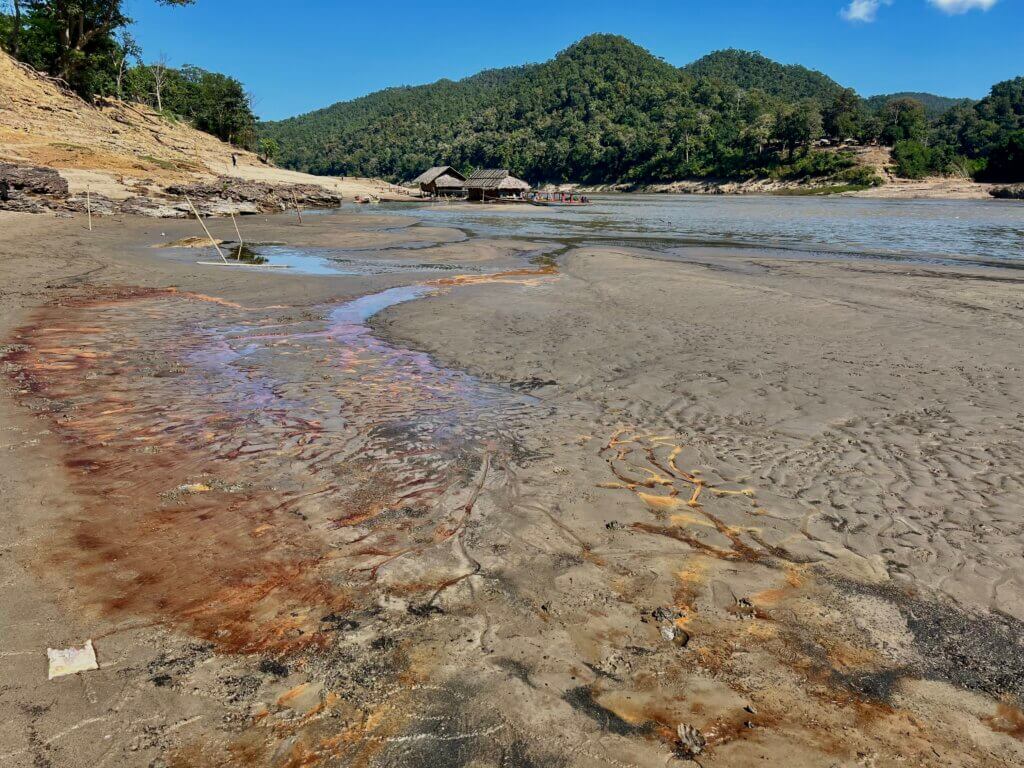
“The river is giving us a sign” แม่น้ำกำลังส่งสัญญาณให้เรา
Photographer: Lamnutor Dangaenwiman (Karen Pgaz K’nyau )
Location: Ban Tha Ta Fang, Mae Hong Son, Thailand
Photo description/caption: “The Salween has sustained life for generations. But if the river is poisoned, will the future of its people be poisoned as well?”
“แม่น้ำสาละวินหล่อเลี้ยงชีวิตผู้คนมาหลายชั่วอายุคน แต่หากสายน้ำแห่งนี้ต้องปนเปื้อนด้วยพิษ อนาคตของพวกเขาจะพลอยได้รับผลกระทบไปด้วยไหม?”
“A river does not flow alone. Within its waters flow the memories, livelihoods, cultures, and futures of the people who call its banks home.”
“สายน้ำไม่ได้ไหลไปเพียงลำพัง ทว่าภายในสายน้ำนั้นยังเต็มไปด้วยความทรงจำ วิถีชีวิต วัฒนธรรม และอนาคตของผู้คนที่เรียกผืนดินริมฝั่งน้ำแห่งนี้ว่าบ้าน”
“When the river suffers, an entire way of life begins to fade.” “เมื่อแม่น้ำต้องเผชิญกับความเสื่อมโทรม วิถีชีวิตทั้งระบบก็เริ่มเลือนหายไป”
River of Life
Photographer: Lamnutor Dangaenwiman (Karen Pgaz k’nyau )
Location: Ban Tha Ta Fang, Mae Hong Son, Thailand
Photo description/caption:
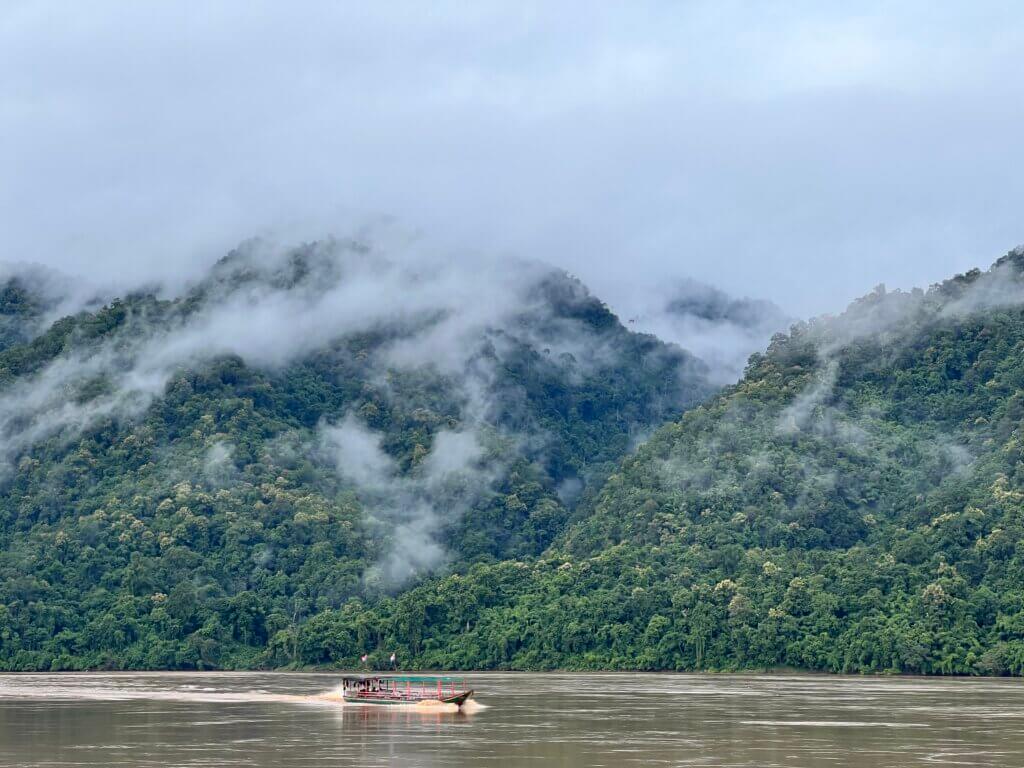
“The Salween remains breathtakingly beautiful, yet beneath its tranquil surface lie the realities of war, displacement, and growing concerns over toxic contamination threatening the river that sustains countless lives.”
“แม่น้ำสาละวินยังคงงดงามสุดใจ แต่ภายใต้ความสงบเงียบนั้นซ่อนเร้นความเป็นจริงของสงคราม การพลัดถิ่น และความกังวลที่เพิ่มมากขึ้นเกี่ยวกับการปนเปื้อนสารพิษที่คุกคามแม่น้ำซึ่งหล่อเลี้ยงชีวิตผู้คนนับไม่ถ้วน”
“This river carries more than boats. It carries memories, cultures, survival, and hope. But as conflict and environmental threats intensify, the future of the communities who depend on these waters grows increasingly uncertain.”
“แม่น้ำสายนี้ไม่ได้เป็นเพียงแค่ที่สำหรับเรือเท่านั้น แต่ยังแบกรับความทรงจำ วัฒนธรรม การอยู่รอด และความหวัง แต่เมื่อความขัดแย้งและภัยคุกคามต่อสิ่งแวดล้อมทวีความรุนแรงขึ้น อนาคตของชุมชนที่พึ่งพาแม่น้ำสายนี้ก็ยิ่งไม่แน่นอนมากขึ้นเรื่อยๆ”
“A beautiful river can hide deep wounds.” “แม่น้ำที่งดงามอาจซ่อนบาดแผลลึกเอาไว้”
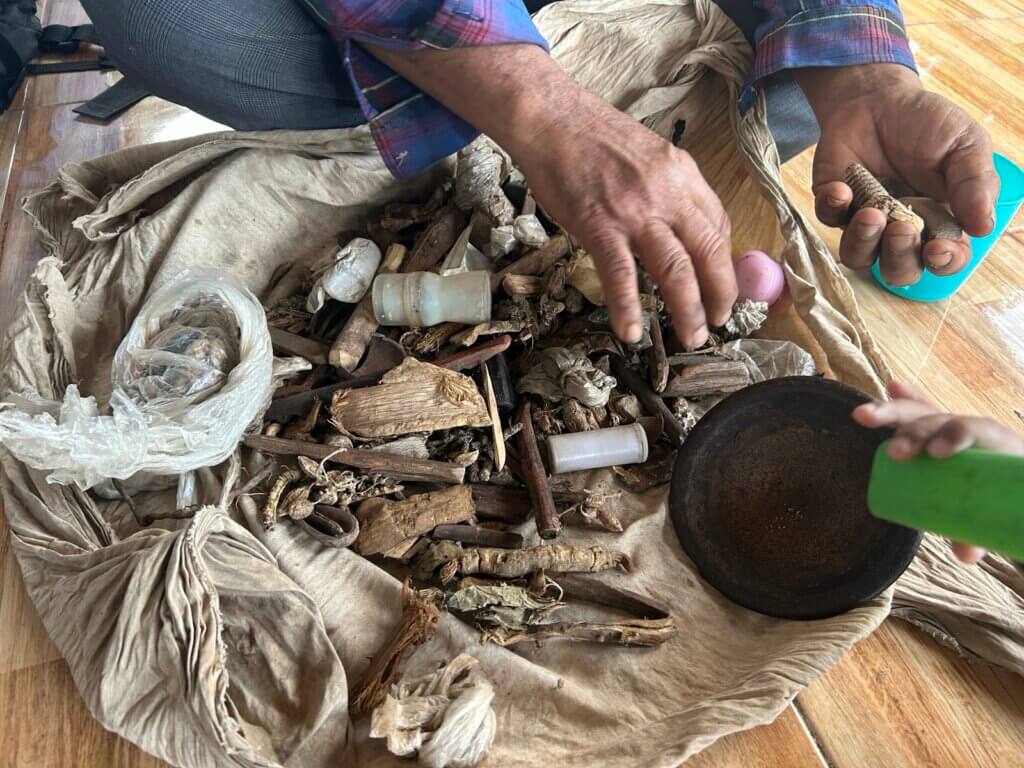
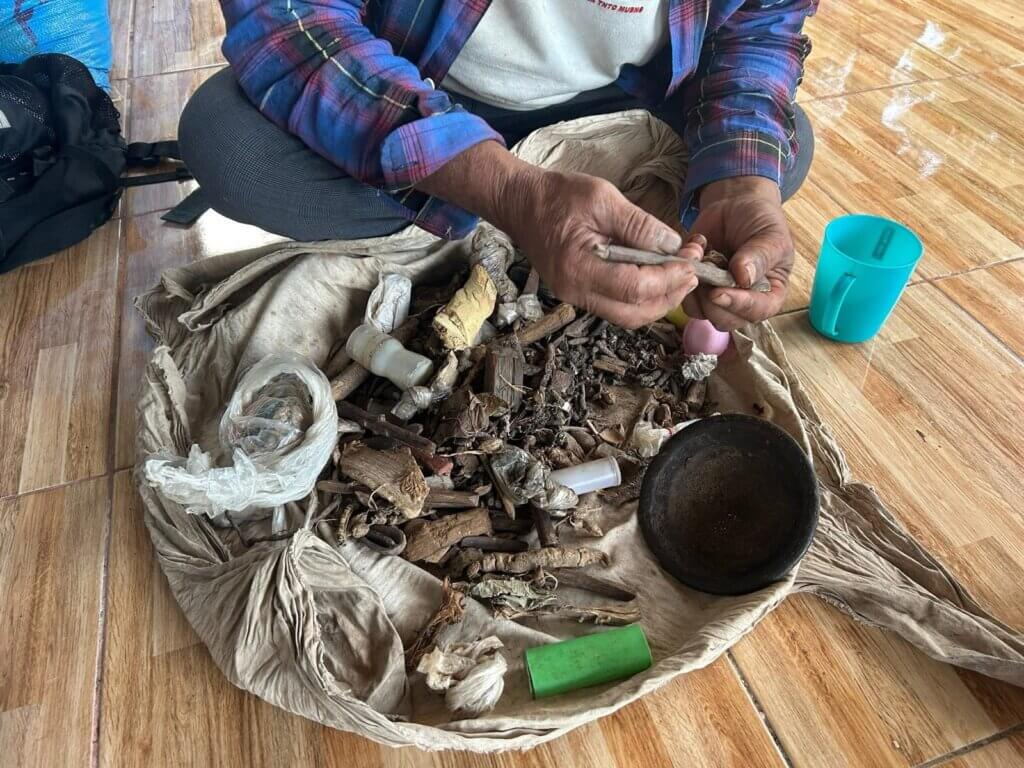
Medicine Bundle of the Forest OR Herbal Medicine Bundle: Karen Traditional Healing Knowledge ห่อสมุนไพรจากป่า: องค์ความรู้ด้านการรักษาแบบดั้งเดิมของชนเผ่าพื้นเมืองกะเหรี่ยง
Photographer: Thanwarin (Karen Pwo)
Location: Ban KlityLang, Kanchanaburi Province, Thailand
Photo description/caption: Traditional herbal medicine has long been part of Karen’s life, preserving ancestral knowledge of healing. What may appear as simple roots and dried plants is, for Karen, a living source of medicine and community care. They believe every plant in the forest holds healing power. Protecting the forest therefore means protecting both Indigenous knowledge and a living pharmacy. It also sustains the deep bond between the Karen people and nature.
ยาสมุนไพรแผนโบราณเป็นส่วนหนึ่งของชีวิตที่สืบทอดความรู้ด้านการรักษาจากบรรพบุรุษชนเผ่าพื้นเมืองกะเหรี่ยงมายาวนาน สิ่งที่ดูเหมือนรากไม้และพืชแห้งธรรมดาๆ นั้น สำหรับชนเผ่าพื้นเมืองกะเหรี่ยงแล้ว คือแหล่งยาและแหล่งดูแลชุมชนที่มีชีวิต พวกเขาเชื่อว่าพืชทุกต้นในป่ามีพลังในการรักษา การปกป้องป่าจึงหมายถึงการปกป้องทั้งความรู้ของชนเผ่าพื้นเมืองและยังเป็นร้านขายยาที่มีชีวิต นอกจากนี้ยังเป็นการรักษาสายสัมพันธ์อันลึกซึ้งระหว่างชนเผ่าพื้นเมืองกะเหรี่ยงกับธรรมชาติอีกด้วย
Karen Rotational farming การทำไร่หมุนเวียนของชนเผ่าพื้นเมืองกะเหรื่ยง
Photographer: Thanwarin (Karen Pwo)
Location: Ban Mae Po Kee, Tak Province, Thailand
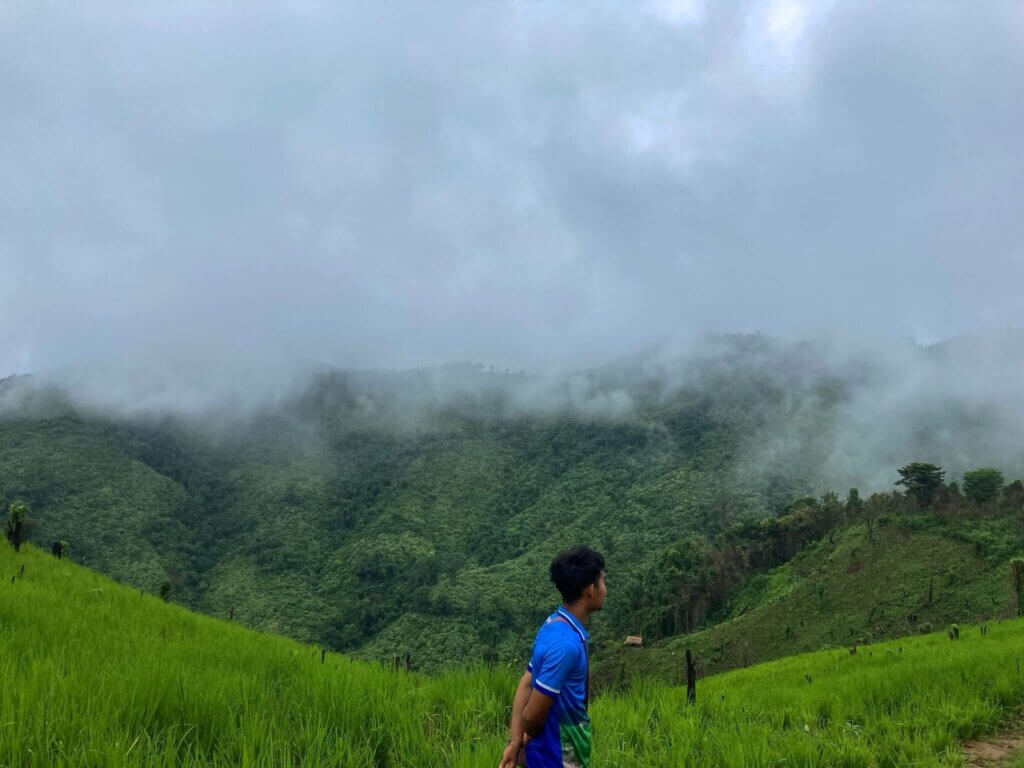
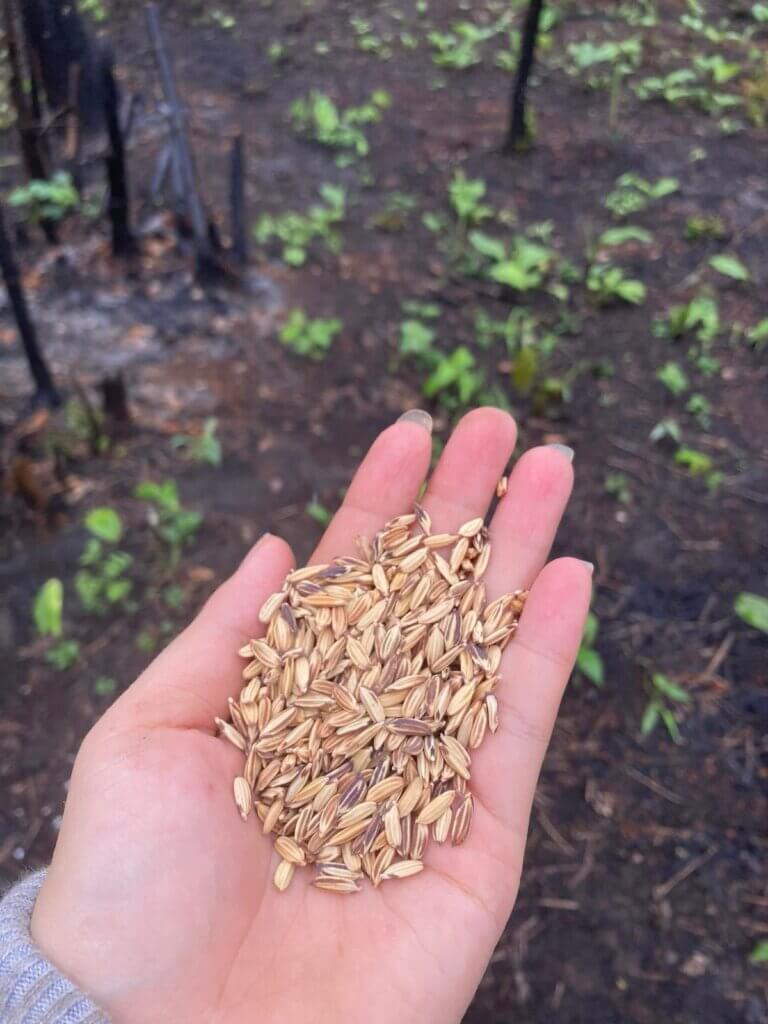
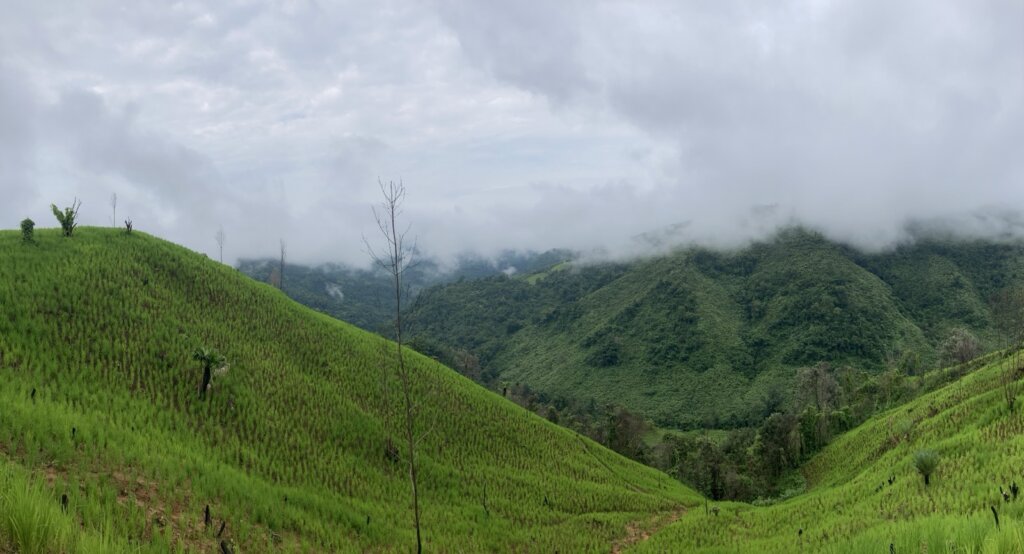
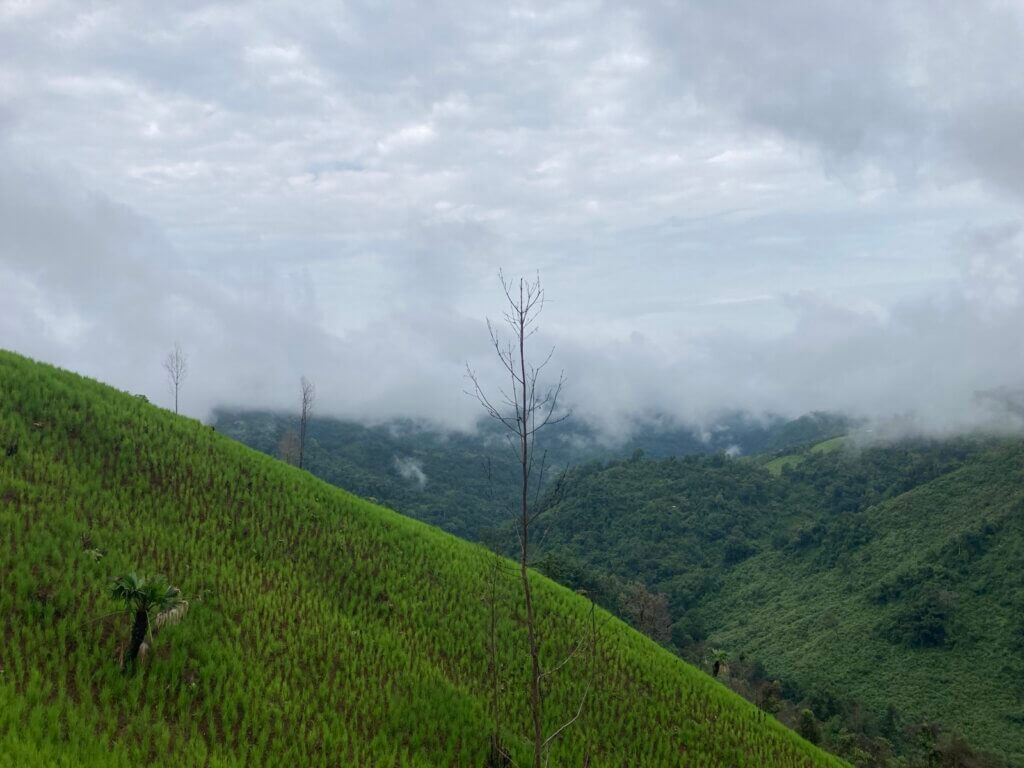
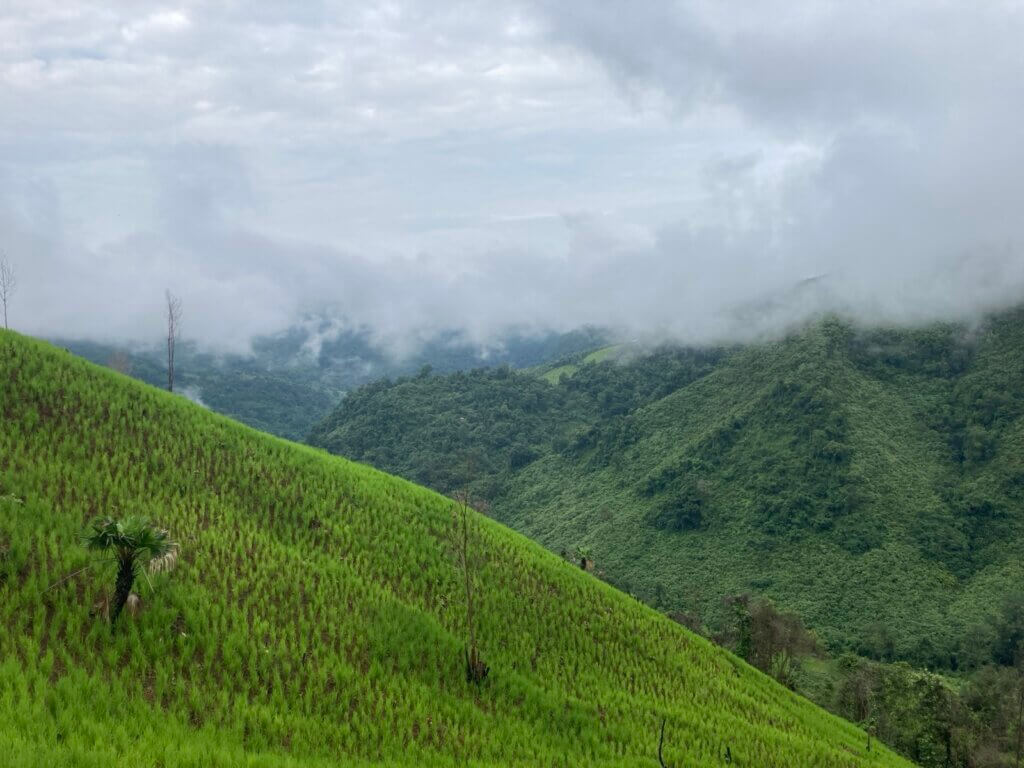
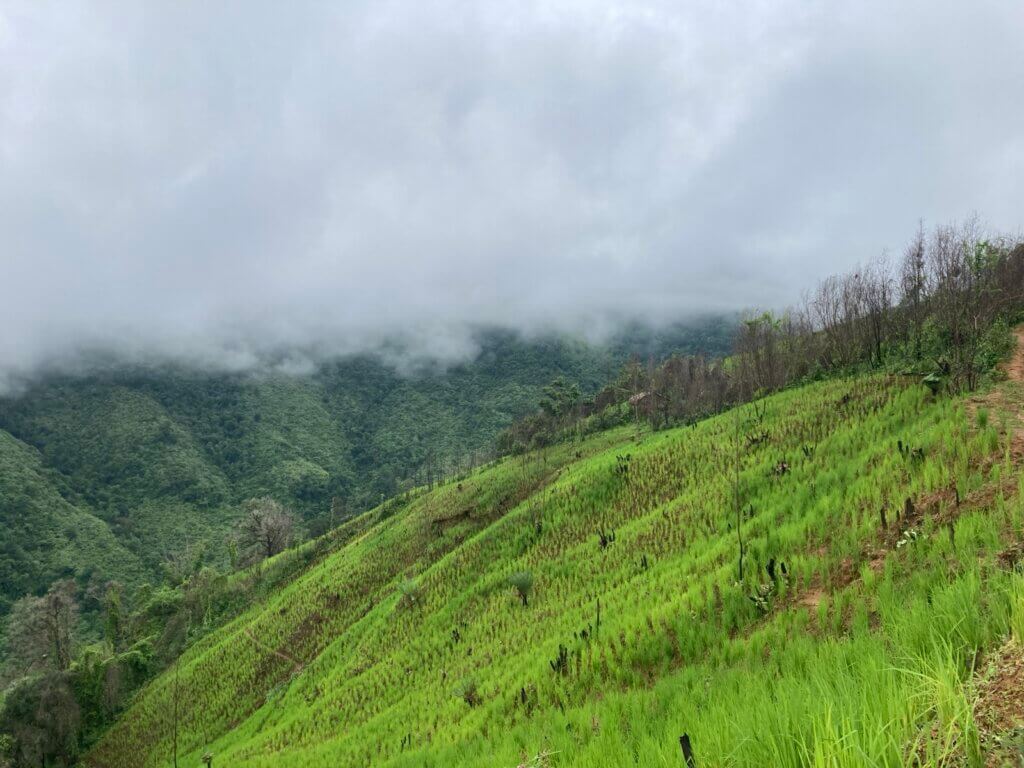
Photo description/caption: Rotational farming is a traditional Karen agricultural system that cultivates land for a short period before allowing long fallow cycles, enabling the forest and soil to regenerate naturally. This photograph captures a rice field in its growing season, framed by regenerating forest in the background, a living landscape that reflects Indigenous ecological knowledge, cultural identity, and a sustainable relationship between people and nature.
การทำไร่หมุนเวียนเป็นระบบเกษตรกรรมดั้งเดิมของชนเผ่าพื้นเมืองกะเหรี่ยง ซึ่งมีการใช้ประโยชน์จากที่ดินในช่วงเวลาสั้นๆ สลับกับการพักฟื้นดินเป็นระยะเวลานาน เพื่อเปิดโอกาสให้ป่าไม้และดินได้ฟื้นฟูสภาพตามธรรมชาติ ภาพถ่ายนี้เผยให้เห็นไร่ข้าวในช่วงฤดูเพาะปลูกโดยมีแนวป่าที่กำลังฟื้นตัวเป็นฉากหลัง สะท้อนให้เห็นถึงภูมิทัศน์ที่มีชีวิตซึ่งถ่ายทอดภูมิปัญญาท้องถิ่นด้านนิเวศวิทยา อัตลักษณ์ทางวัฒนธรรม และความสัมพันธ์ที่ยั่งยืนระหว่างมนุษย์กับธรรมชาติ
Vietnam
The Mekong Delta of Vietnam is home to the country’s largest ethnic Khmer population, a community whose cultural identity and socio-economic survival are deeply intertwined with the region’s intricate river systems. For generations, the Khmer have relied on these waterways to sustain their primary livelihoods, which revolve around rice cultivation, aquaculture, and capture fisheries. However, this delicate socio-ecological equilibrium faces unprecedented disruption. The delta is increasingly vulnerable to cumulative anthropogenic pressures, driven by both international and domestic forces.
พื้นที่สามเหลี่ยมปากแม่น้ำโขงในประเทศเวียดนาม เป็นถิ่นที่อยู่ของประชากรชนเผ่าพื้นเมืองเขมรกลุ่มใหญ่ที่สุดของประเทศ ซึ่งเป็นชุมชนที่มีอัตลักษณ์ทางวัฒนธรรมและความเป็นอยู่ ทั้งในด้านสังคมและเศรษฐกิจที่ผูกพันอย่างลึกซึ้งกับระบบเครือข่ายแม่น้ำลำคลองอันซับซ้อนของภูมิภาคนี้ ชนเผ่าพื้นเมืองเขมรพึ่งพาทางน้ำเหล่านี้ในการประกอบอาชีพหลักมาอย่างยาวนาน ไม่ว่าจะเป็นการทำนาข้าว การเพาะเลี้ยงสัตว์น้ำ และการทำประมง อย่างไรก็ตาม สมดุลอันเปราะบางระหว่างสังคมและระบบนิเวศนี้กำลังเผชิญกับการเปลี่ยนแปลงในระดับที่ไม่เคยปรากฏมาก่อน โดยพื้นที่สามเหลี่ยมปากแม่น้ำโขงแห่งนี้มีความเปราะบางเพิ่มมากขึ้นต่อผลกระทบสะสมจากการกระทำของมนุษย์ ซึ่งมีปัจจัยขับเคลื่อนทั้งจากภายในและภายนอกประเทศ
Transboundary upstream developments, most notably the construction of mega-dams, have severely altered natural hydrological flows, reduced vital sediment loads, and exacerbated saltwater intrusion. Compounding these regional threats are domestic infrastructure projects, localized pollution, and intensive agricultural expansion within Vietnam. Together, these external and internal stressors threaten the ecological integrity of the Mekong Delta, placing the resource-dependent livelihoods and cultural heritage of the Khmer people at a critical crossroads.
การพัฒนาต้นน้ำข้ามพรมแดน โดยเฉพาะอย่างยิ่งการสร้างเขื่อนขนาดใหญ่ ได้เปลี่ยนแปลงการไหลของน้ำตามธรรมชาติอย่างรุนแรง ลดปริมาณตะกอนที่สำคัญ และทำให้การรุกของน้ำเค็มรุนแรงขึ้น นอกจากนี้ยังมี โครงการพัฒนาและก่อสร้างระบบพื้นฐานภายในประเทศ มลพิษในพื้นที่ และการขยายการเกษตรอย่างเข้มข้นในเวียดนาม ทำให้ภัยคุกคามในระดับภูมิภาคเหล่านี้รุนแรงขึ้น ปัจจัยภายนอกและภายในเหล่านี้ร่วมกันคุกคามความสมบูรณ์ทางนิเวศวิทยาของสามเหลี่ยมปากแม่น้ำโขง ทำให้วิถีชีวิตที่พึ่งพาแหล่งทรัพยากรและมรดกทางวัฒนธรรมของชนเผ่าพื้นเมืองเขมรตกอยู่ในภาวะวิกฤต
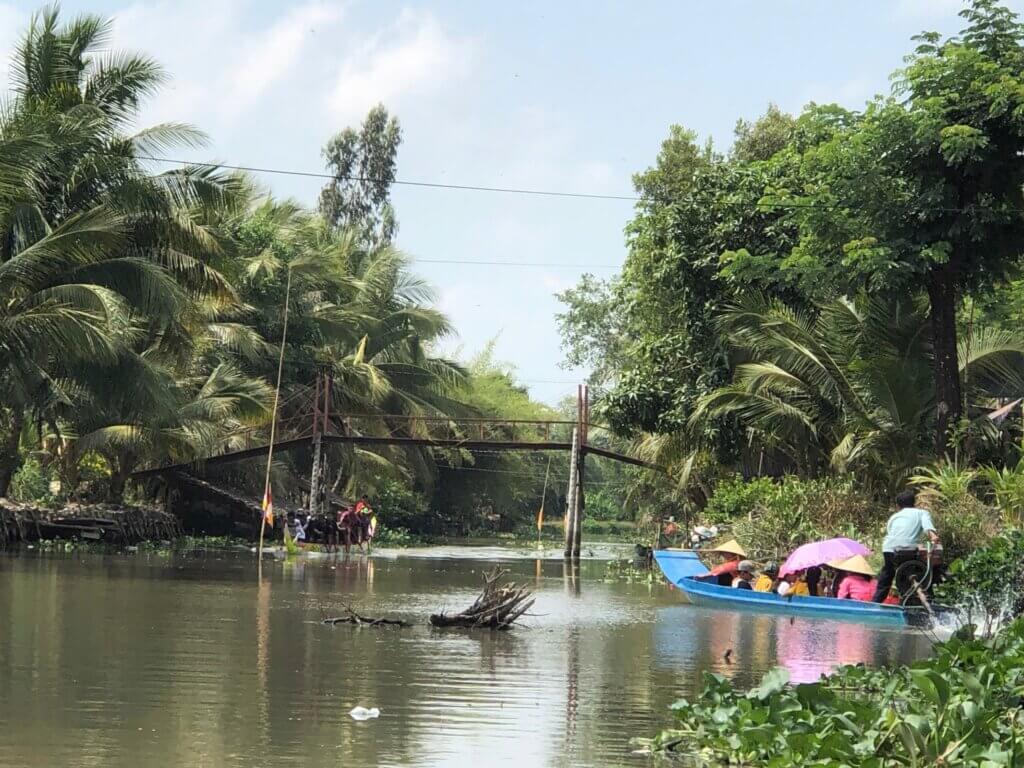
Journeys to the Pagoda การเดินทางสู่เจดีย์
Photographer: Ly Quoc Dang (Khmer)
Location: Giong Rieng, Kien Giang Province, Vietnam
Photo description/caption:
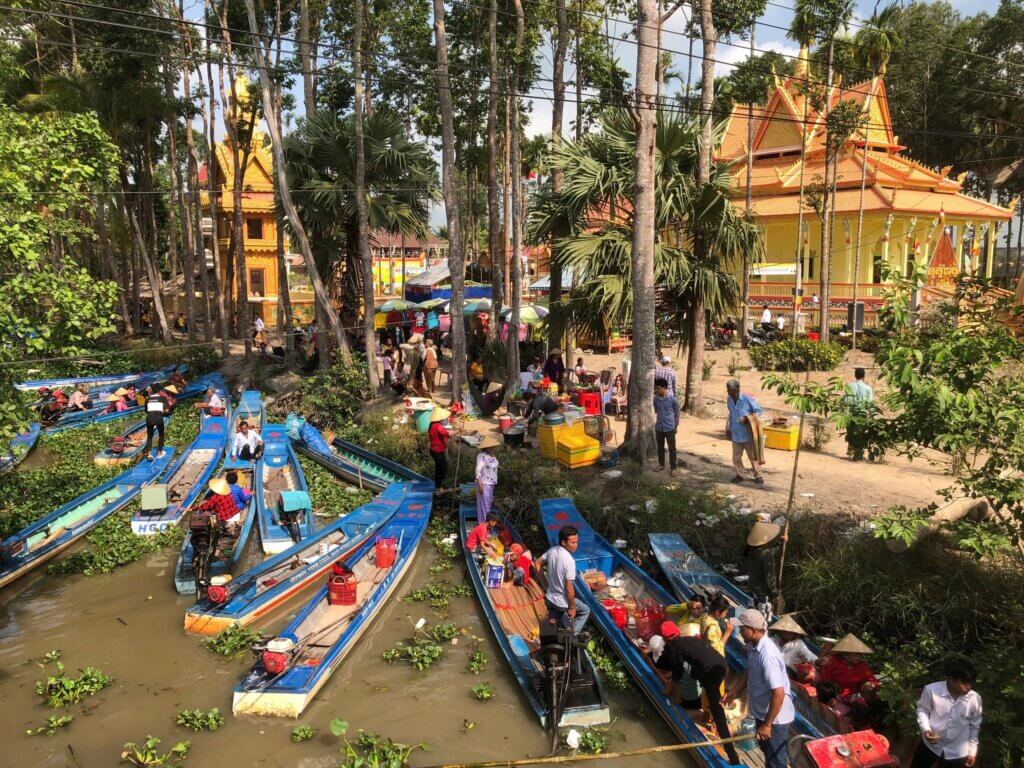
“Captured during the Khmer New Year (Chol Chnam Thmay), this image highlights a local tradition where Khmer Buddhists utilize boats as their primary mode of transport over motorbikes. Watercraft represent a foundational and highly efficient means of mobility for the Khmer people in this region.”
ภาพนี้บันทึกไว้ในช่วงเทศกาลปีใหม่ของชนเผ่าพื้นเมืองเขมร (Chol Chnam Thmay) โดยสะท้อนให้เห็นถึงวิถีปฏิบัติในท้องถิ่นของชนเผ่าพื้นเมืองเขมรชาวพุทธนิยมใช้เรือเป็นพาหนะหลักในการสัญจรมากกว่ารถจักรยานยนต์ ซึ่งถือได้ว่าเรือเป็นเครื่องมือในการเดินทางที่มีความสำคัญและมีประสิทธิภาพอย่างยิ่งสำหรับชนเผ่าพื้นเมืองเขมรในภูมิภาคนี้
Khmer Pride on the Water ความภาคภูมิใจของชนเผ่าพื้นเมืองเขมรบนผืนน้ำ
Photographer: Ly Quoc Dang (Khmer)
Location: Giong Rieng, Kien Giang Province, Vietnam
Photo description/caption:
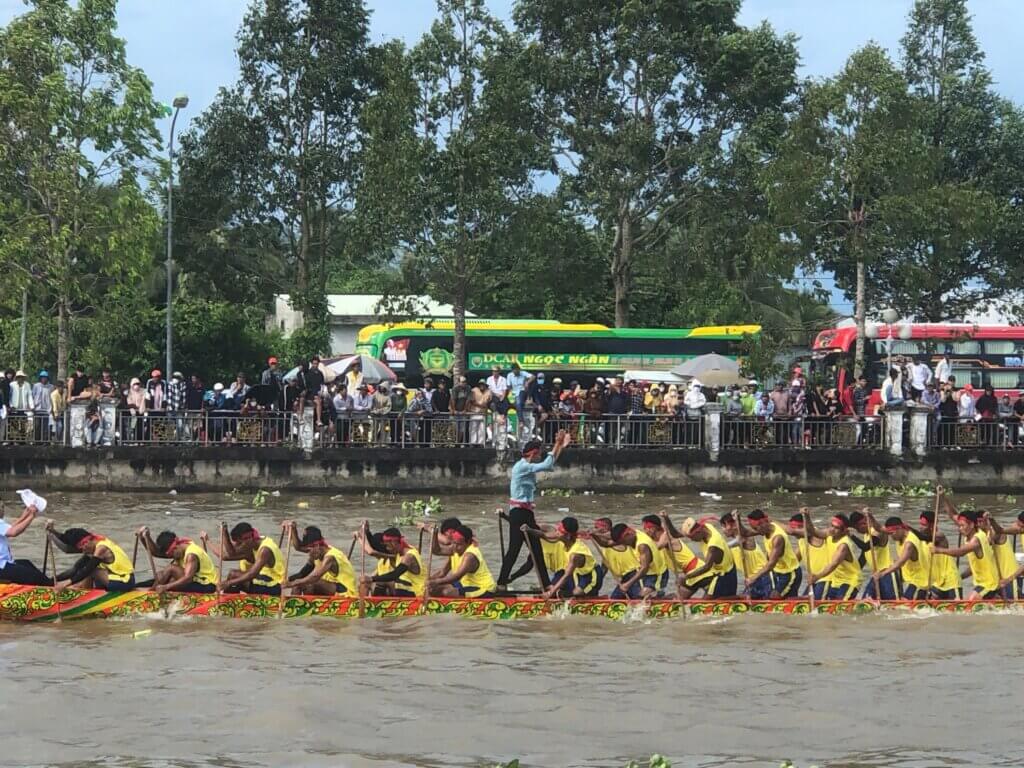
“Each year, my friend, a young Khmer man from the local village participates in traditional riverboat rowing practice, training to compete against teams from neighboring Khmer communities during the annual Khmer New Year celebrations. This photograph captures him during a rigorous training session, preparing for the upcoming competition scheduled for the following day.”
ในทุกๆ ปี ในช่วงเทศกาลปีใหม่ชนเผ่าพื้นเมืองเขมร เพื่อนของข้าพเจ้า ซึ่งเป็นชายหนุ่มชนเผ่าพื้นเมืองเขมรจากหมู่บ้านในท้องถิ่น จะเข้าร่วมการฝึกซ้อมพายเรือแบบดั้งเดิม เพื่อเตรียมลงแข่งขันกับทีมจากชุมชนชนเผ่าพื้นเมืองเขมรในละแวกใกล้เคียง ภาพถ่ายนี้บันทึกภาพขณะที่เขากำลังฝึกซ้อมอย่างเข้มข้นเพื่อเตรียมตัวสำหรับการแข่งขันที่จะมีในวันรุ่งขึ้น
A Mother’s Journey in Vĩnh Châu การเดินทางของแม่ไปยังวินห์เจา
Photographer: Ly Quoc Dang (Khmer)
Location: Giong Rieng, Kien Giang Province, Vietnam
Photo description/caption: “During a field visit to Vinh Chau, Soc Trang, I documented the primary livelihood of Ms. N, a mother of four young children who relies heavily on non-timber forest products. Each day, she navigates various locations within the Vinh Chau mangrove forest to harvest clams. This essential economic activity generates the vital income required to cover daily household living expenses and support her children’s upbringing.”
ระหว่างการลงพื้นที่ใน อำเภอหวิญเจิว จังหวัดซ้อกจัง ข้าพเจ้าได้เก็บข้อมูลเกี่ยวกับวิถีชีวิตของนาง N ซึ่งเป็นแม่ที่มีลูกเล็กต้องดูแลถึง 4 คน และต้องพึ่งพาของป่าเป็นสำคัญ ในแต่ละวัน เธอจะเดินทางไปยังจุดต่างๆ ภายในป่าชายเลนหวิญเจิวเพื่อเก็บหอย กิจกรรมทางเศรษฐกิจที่สำคัญนี้ช่วยสร้างรายได้ที่จำเป็นสำหรับการใช้จ่ายในครัวเรือนและใช้ในการเลี้ยงดูลูกๆ ของเธอ