
Southeast Asia
Work in Southeast Asia
The Mekong region, one of the most culturally and biologically diverse regions in the world, is facing growing threats from unsustainable development. These projects often violate human rights, deepen poverty, and degrade ecosystems and biodiversity amid an escalating climate crisis.
In response, we use an integrated approach of training, legal action, and advocacy to support communities and defenders across Cambodia, Laos, Myanmar, Thailand, and Vietnam to protect their rights, demand accountability, and build a more just and sustainable future.
The Mekong Region
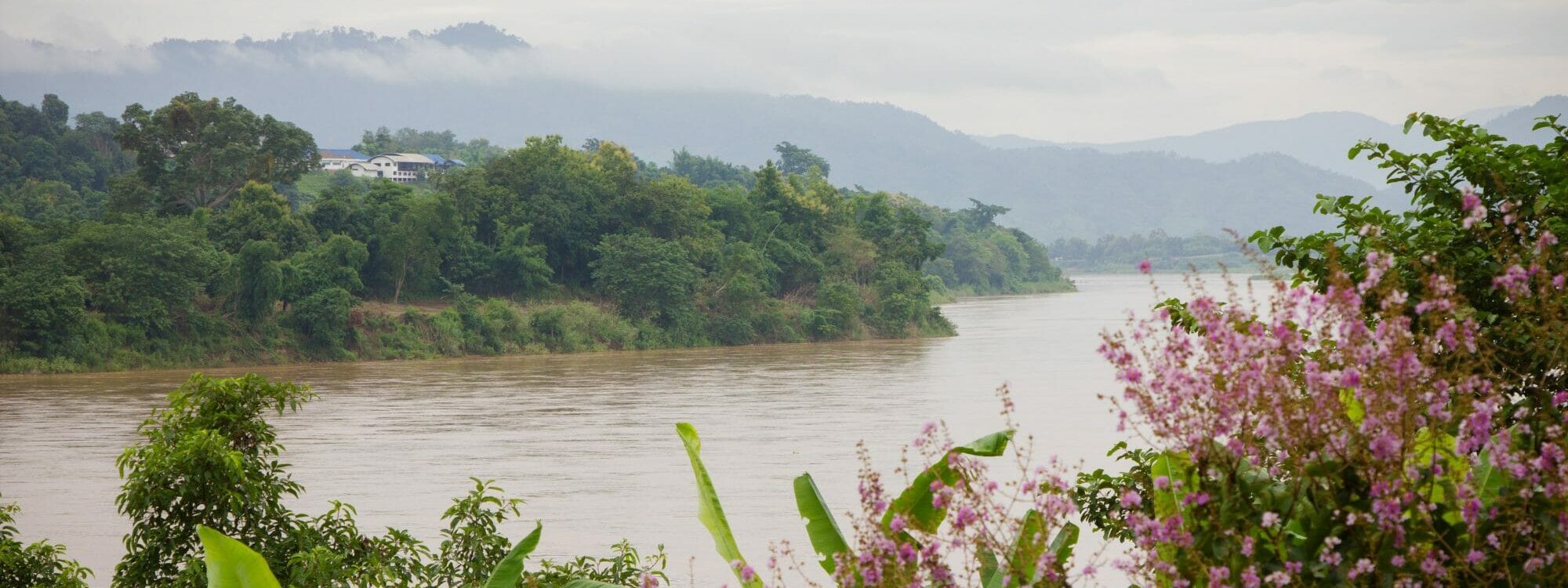
Home to over 300 million people from more than 300 distinct ethnic groups and supporting over 20,000 species of flora and fauna, the Mekong region’s natural and cultural richness is unparalleled. The 4,350-kilometer long Mekong River underpins the region’s rich cultural and ecological diversity, providing food security and livelihoods for some 70 million people, and supporting one of the world’s largest and most productive fisheries.
Yet many communities, especially Indigenous peoples, face insecure land rights, weak legal protections, and increasing threats from large-scale development projects, including land grabs, pollution, displacement, and biodiversity loss. Civic space is shrinking across the region, while land and environmental defenders are increasingly subjected to intimidation, criminalization, and violence as profit is prioritized over people.
OUR WORK IN THE MEKONG REGION



Communities already vulnerable to climate change are often excluded from decisions affecting their lands and resources, while weak accountability enables harmful projects to continue unchecked. Women, Indigenous peoples, and youth are disproportionately affected and face the greatest barriers to participation. Amidst this context, EarthRights supports communities confronting abuses linked to fossil fuel, mining, and other environmentally destructive projects.
We also remain deeply committed to our work in Myanmar through our long-standing networks across the country. Amid ongoing conflict, political instability, and economic crisis, we partner with civil society and local communities to reduce natural resource revenues flowing to the military junta, advance accountability for rare earth mining and extractive industries, strengthen natural resource governance in Karenni, and support leadership for democracy, rule of law, legal accountability, and sustainability.
Although we were forced to close our physical office in Myanmar after the 2021 coup, we continue our support through our Myanmar Program based from our Mekong regional office.
Our Mission
EarthRights advances its mission by combining the power of law and the power of people so that project-affected communities can organize and drive change across the region. Drawing on more than three decades of experience, we combine training, legal strategies, and campaigns to support communities and Indigenous peoples to defend their rights.
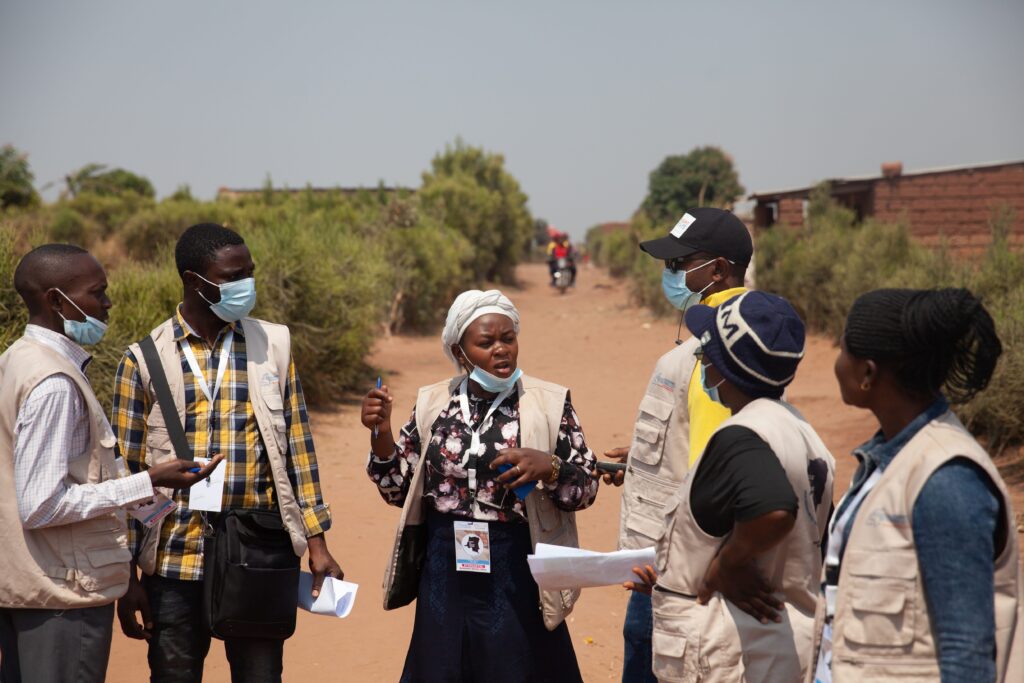
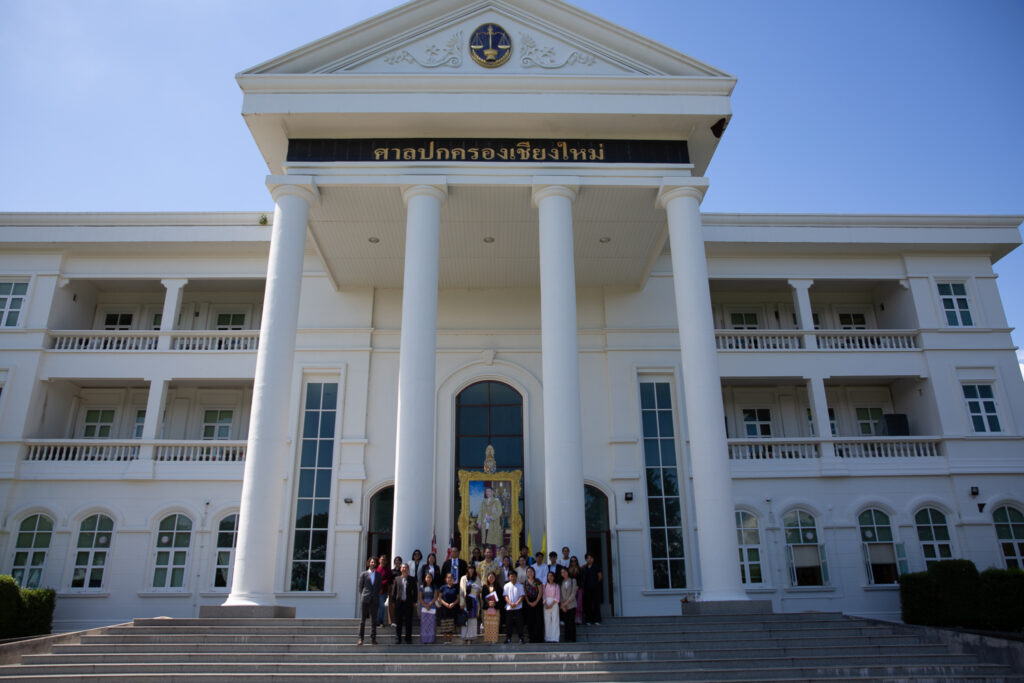
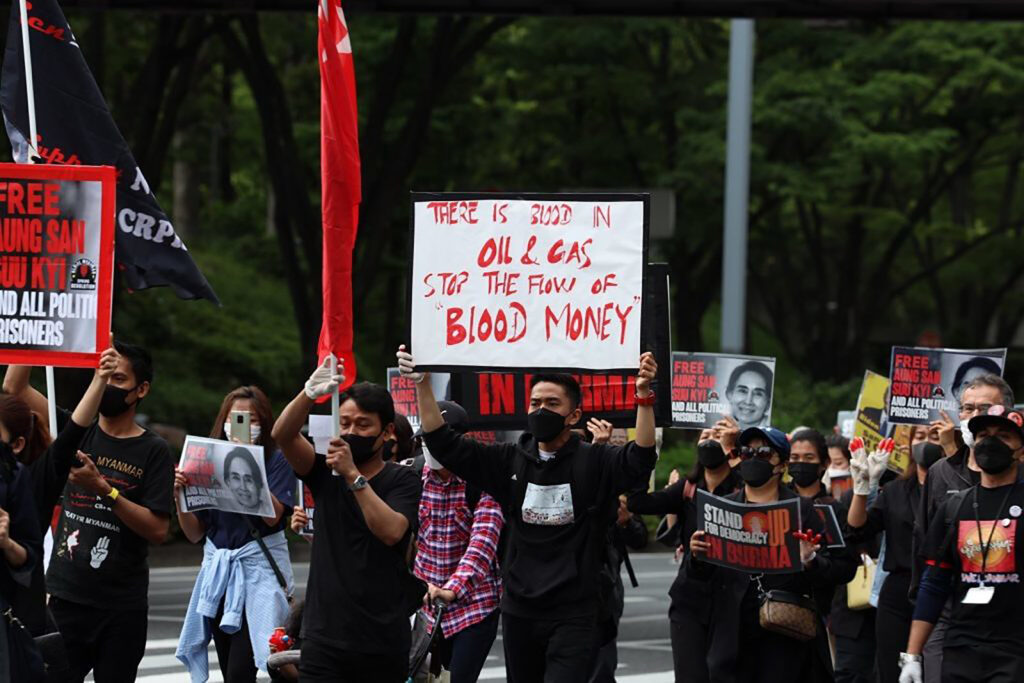
With partners and alumni throughout the Mekong, EarthRights is uniquely positioned to build cross-border partnerships and amplify community voices at regional and global levels. By investing in local leadership and supporting graduates to train others, we strengthen long-term, community-led advocacy and ensure sustainable movements.
Training
Our training programs work to equip the next generation of grassroots human rights and environmental defenders and community leaders with the necessary skills, knowledge, and networks to protect their rights and homelands and sustain their movements over the long term.
In the Mekong region, our flagship long-form residential training program is the EarthRights School, which brings together emerging leaders from across the region to build skills and knowledge to understand environmental and human rights issues and work for sustainable action.
Since 1999, EarthRights has trained more than 650 students from the Mekong region in a variety of short- and long-term training programs. Many alumni of these programs are actively working to defend environmental and human rights throughout the region. We continue to convene and coordinate alumni and civil society networks that foster mutual learning, peer support, and strategic, collective advocacy through our Alumni Program.
Legal
We develop and lead risk-taking legal strategies and pioneering litigation in partnership with communities.
We also deliver legal education to emerging public interest lawyers, advocates, and community members through our Mekong Legal Advocacy Institute and advanced context-specific deep dive trainings.
Additionally, since 2009, we have connected experienced lawyers to collaborate on joint advocacy; share strategies and lessons learned; and advance accountability for powerful actors through rigorous legal research, analysis, and policy advocacy within and across borders through the Mekong Legal Network.
Campaigns
We work with communities and environmental and land defenders to develop and support advocacy campaigns targeting those responsible for violations of human and environmental rights.
We also equip communities with the knowledge and tools to understand their rights, assess projects that affect them, and pursue effective remedy strategies so they can lead their own campaigns. Our Local Engagement, Action, and Dialogue (LEAD) Approach catalyzes and fosters strategies for community-led advocacy and action.
We amplify these efforts through strong communications strategies,
media engagement, and compelling storytelling.
OUR WORK IN THE MEKONG REGION
Impact Stories
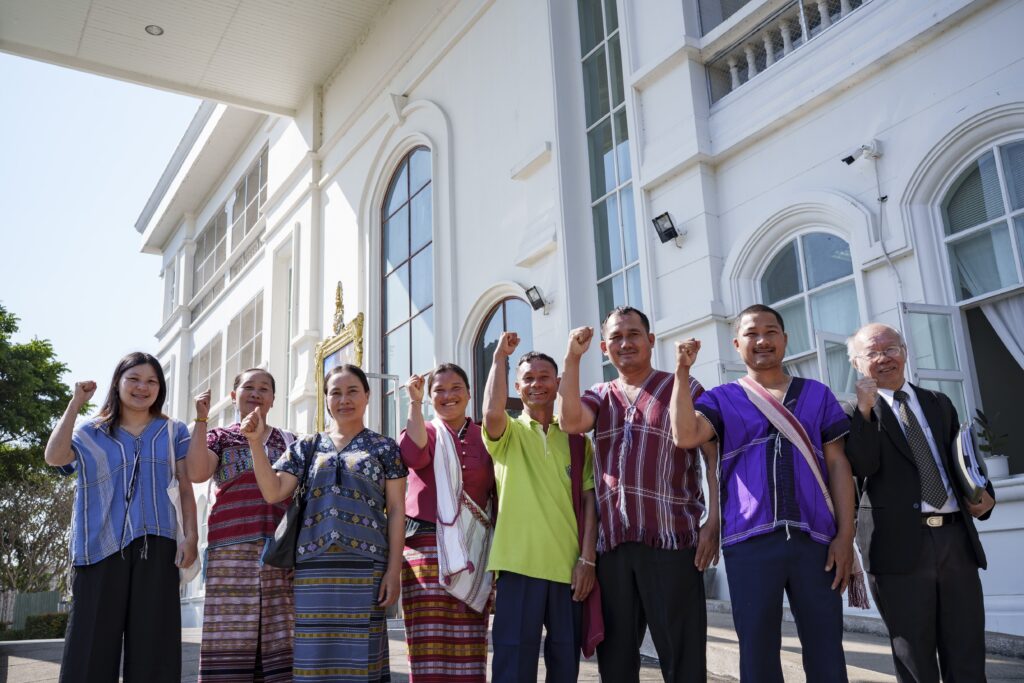
Indigenous Communities Secure Supreme Court Victory Halting Coal Mining Project in Omkoi, Thailand
In February 2026, the Thailand Supreme Court reaffirmed a temporary injunction halting a proposed coal mining project in Omkoi District, Northern Thailand — a landmark victory for Indigenous communities who have spent years defending their lands, health, and livelihoods from the project’s impacts.
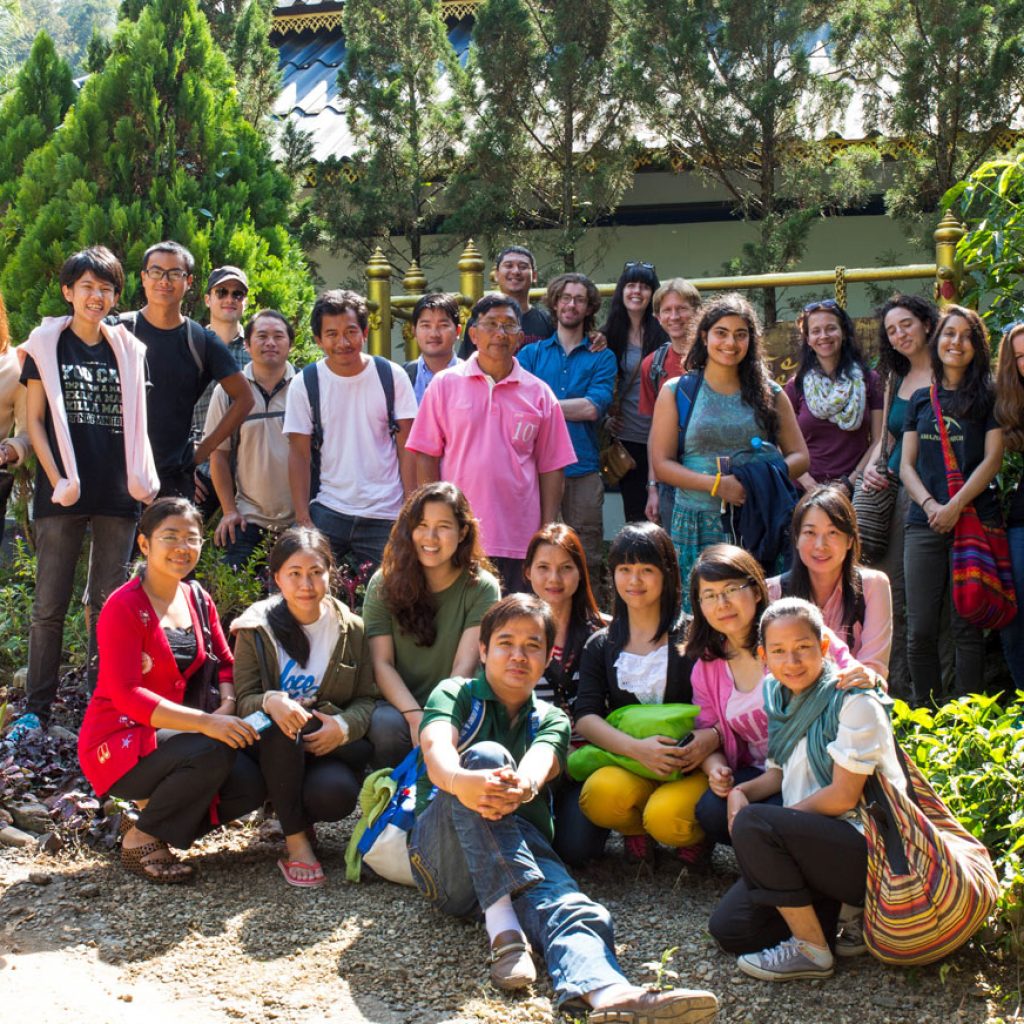
Rising Beyond Borders: One Alumni’s Journey to Make a Lasting Difference
Mi Tri is a leader within the EarthRights Alumni Network. Originally from an indigenous village nestled in the remote mountains of Myanmar, she learnt from a young age about the importance of preserving nature and protecting the environment. As an adult, when she heard about plans to construct a coal-fired power plant near her village, she wasn’t sure what this would entail at first.
Stand with Mekong Communities
Across the region, communities are standing up to defend their rights and the natural resources that sustain them. But they cannot do it alone.
Now is the time to act.